In the late 1960s, Concorde began roaring through the skies around the world, traveling at an unfathomably fast speed. However, it wasn't the only supersonic passenger aircraft designed in this era, long before the advent of modern-day hyperefficient twin jet aircraft.
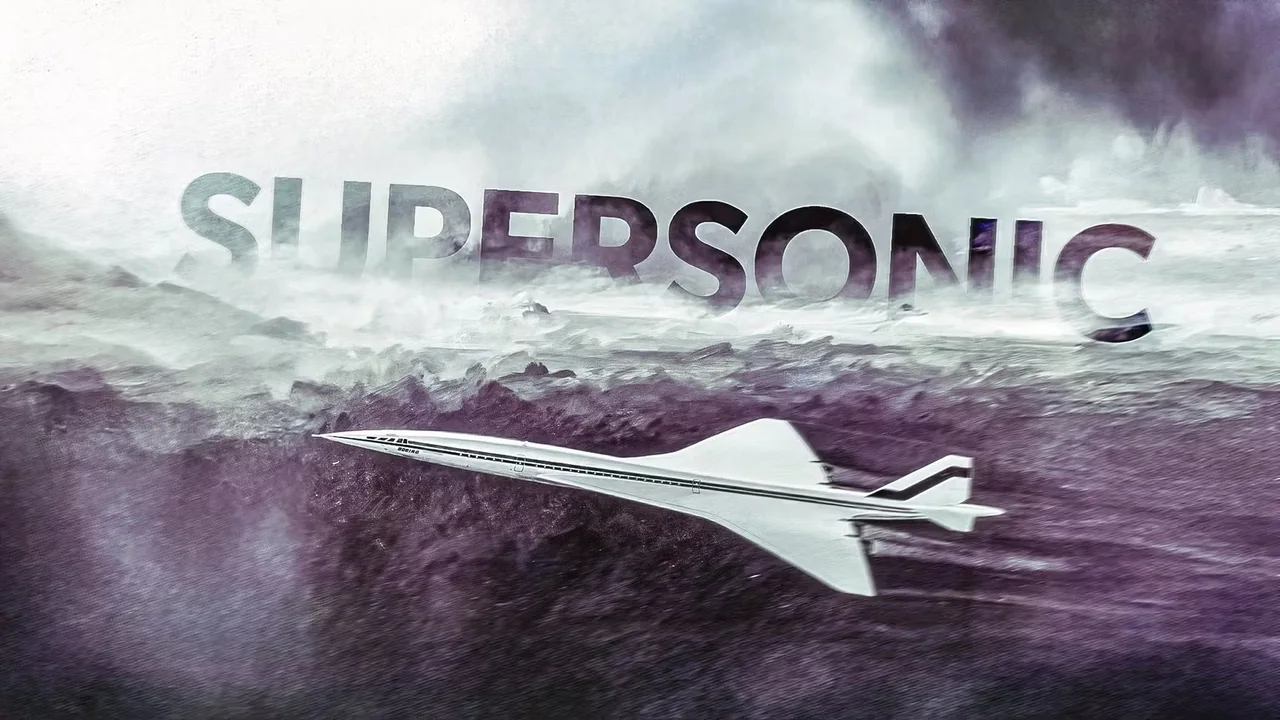
Boeing launched the Boeing 2707 in the 1960s, hoping to build an airliner that could compete with Concorde by being larger and faster. The project was canceled in 1971 due to high noise and emissions.
The proposed design had a sleek swing-wing design and a blended wing route across almost the entire cabin. However, Boeing later backed down to a more conventional wing design.

The jet would be powered by four General Electric GE4 turbojets, giving it the 63,000 lbf needed to take off and reach Mach 2.7
The aircraft's specifications included a capacity of 234 passengers, length of 306 feet, height of 38 feet, wingspan of 141 feet, and MTOW of 750,000 pounds.
This would have been larger than Concorde, capable of carrying an impressive 234 passengers. The standard configuration would have been 2-3-2, with early forms of in-flight entertainment and six-inch windows.

The Senate cut all further dollars in March 1971, but public groups responded with efforts to keep the project going. Labor unions were also concerned about the impact on jobs.
The cancellation of the Boeing 2707 program highlights the challenges of developing supersonic aircraft for commercial use, and the importance of addressing noise and emissions concerns.
Today, as the aviation industry continues to evolve, it's worth remembering the forgotten dreams of supersonic travel.

The cancellation of the Boeing 2707 program highlights the challenges of developing supersonic aircraft for commercial use.