
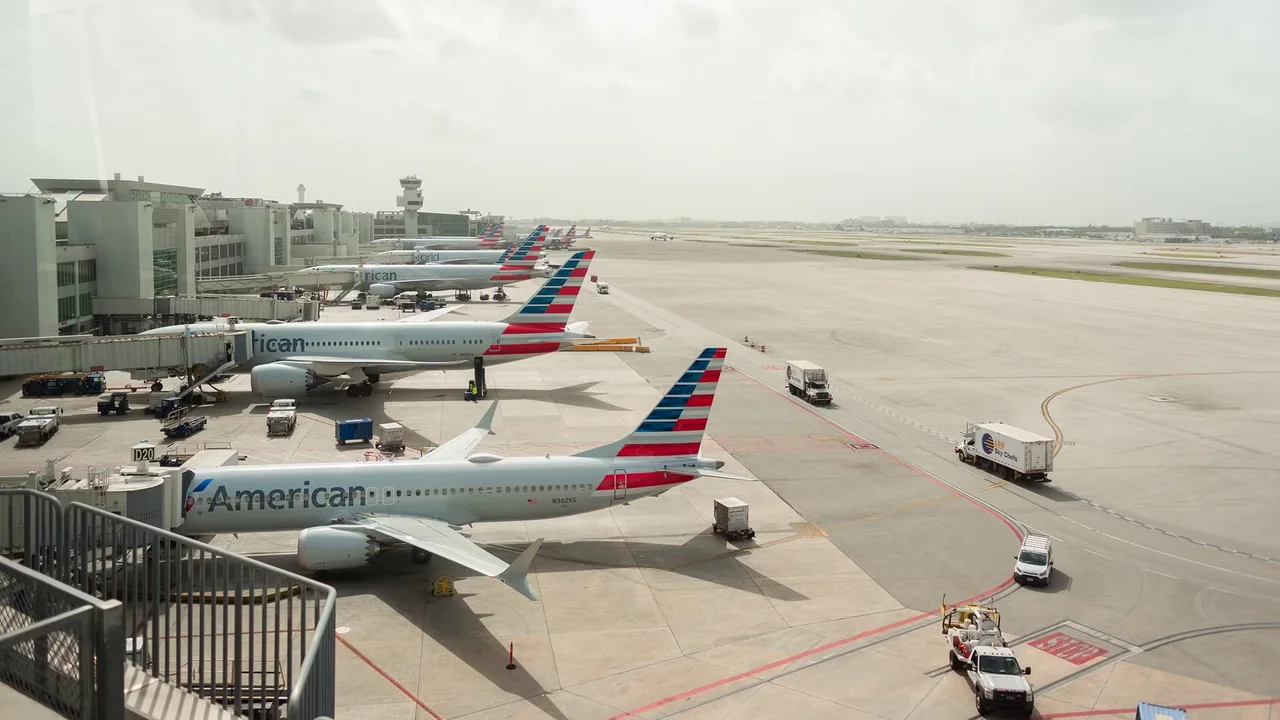
Miami International Airport (MIA) is facing capacity constraints, with its airfield reaching 80% of its capacity. To alleviate the burden on MIA, Miami-Dade County officials are considering a proposal for a second airport in the city. The county commission has advanced plans for a new airport, which would ease congestion and ensure the region's air travel demand is met.
The construction of a brand-new airport is being considered as an alternative to expanding existing facilities. However, this option comes with significant financial and logistical challenges, including a potential 20-year timeline for completion. The last major greenfield commercial airport in the US was Denver International Airport (DEN), which ended up over budget and behind schedule.
Miami Executive Airport or Miami Homestead General Aviation Airport could be redeveloped to handle full commercial passenger operations. However, this would require at least 12 years of planning and construction. The proximity of these airports to residential areas poses a challenge for site expansion.

The county mayor has emphasized the need for an efficient air travel system in Miami. With MIA's ongoing multi-billion-dollar capital improvement plan continuing, authorities are exploring alternative options to expand the region's air capacity.
A concrete funding strategy is expected this summer, while MIA's capital improvement plan continues. The proposal for a second airport is part of a broader effort to address Miami's growing air travel demand.
The FAA recommends infrastructure expansion at 80% airfield capacity to avoid regular delays. Without intervention, MIA risks suffering from chronic congestion like other major airports.

Miami-Dade County officials are working to ensure the region is prepared for an expected rise in air travel demand. The proposal for a second airport is a key part of this effort.
The construction of a new airport would require significant investment and planning. Authorities must balance the need for expansion with concerns about environmental impact, noise pollution, and community disruption.
MIA's capacity constraints are likely to continue until a solution is implemented. The proposed second airport could provide relief, but its timeline and feasibility remain uncertain.

The construction of a new airport would require significant investment and planning.