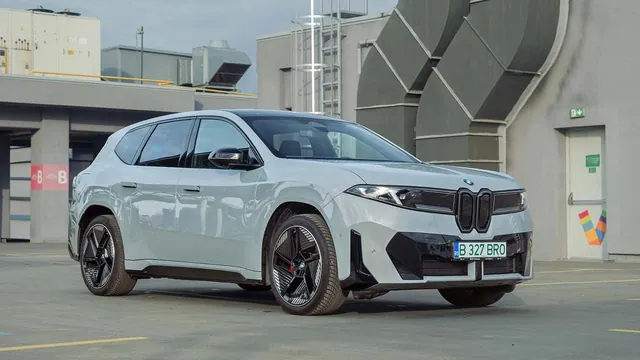

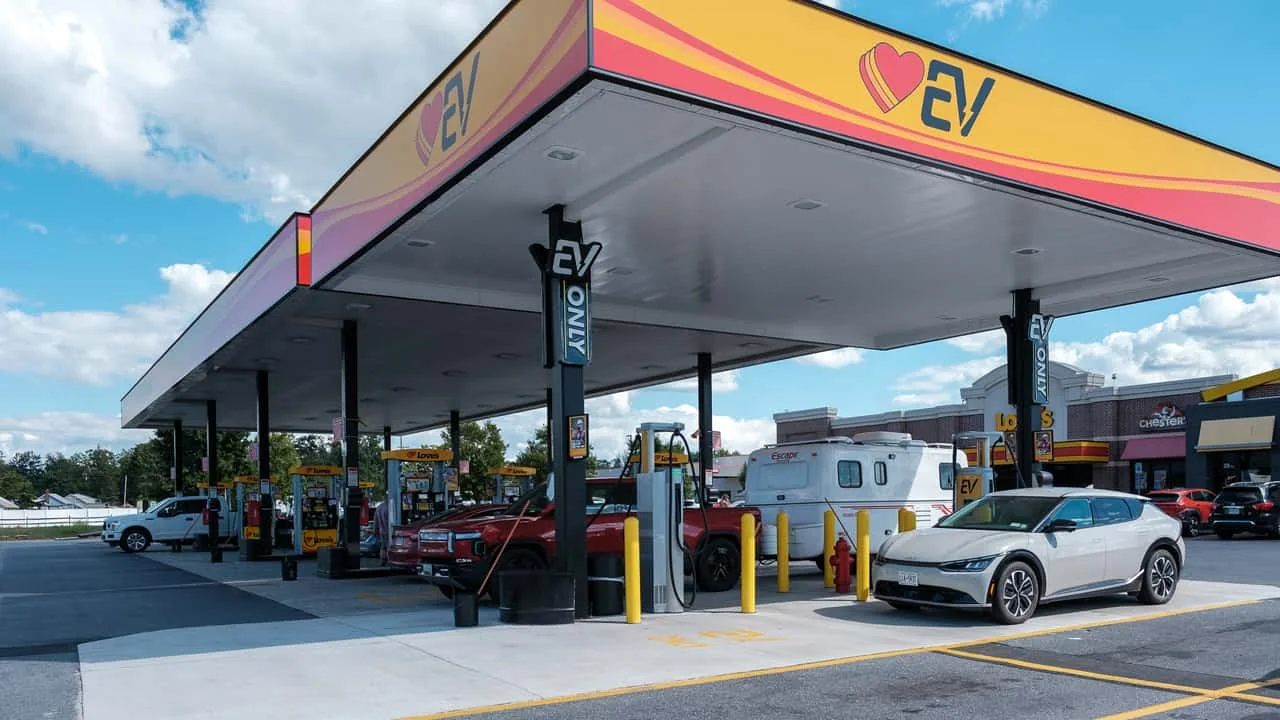
<p>According to recent data, Electric Vehicles (EVs) have made a significant impact on global fuel consumption. In 2025, EV sales reached an impressive 30% of the global market share, marking a substantial shift in the automotive industry.</p><p>This growth can be attributed to increasing consumer awareness about the environmental benefits of electric vehicles. As a result, governments and manufacturers are investing heavily in developing more sustainable energy solutions.</p>
<p>The impact of EVs on fuel consumption is not just limited to the environment; it also has significant economic implications. With global fuel consumption dropping by 20% in 2025, the industry is witnessing a substantial reduction in greenhouse gas emissions.</p><p>This trend is expected to continue as more countries implement stricter emission regulations and consumers become increasingly environmentally conscious.</p>
<p>The rise of EVs is also having a profound impact on traditional fuel sources. Gasoline and diesel sales have been declining steadily, with many manufacturers already announcing plans to phase out these fossil fuels from their product lines.</p><p>This shift towards electric vehicles is not only beneficial for the environment but also presents opportunities for innovation and growth in the automotive industry.</p>
<p>One of the key factors contributing to the success of EVs is their lower operating costs. With electricity being significantly cheaper than gasoline, EV owners can save up to $1,000 per year on fuel costs alone.</p><p>This cost advantage is expected to continue as technology improves and more efficient batteries become available.</p>
<p>However, there are still challenges to be addressed in the transition to electric vehicles. Range anxiety, charging infrastructure, and battery durability remain significant concerns for consumers and manufacturers alike.</p><p>To overcome these hurdles, governments and industries must invest heavily in developing more sustainable energy solutions and improving charging infrastructure.</p>
<p>The impact of EVs on traditional fuel sources is not limited to the automotive industry. The shift towards electric vehicles also has implications for the oil and gas sector, with many companies already exploring new business models and revenue streams.</p><p>This trend is expected to continue as more countries implement stricter emission regulations and consumers become increasingly environmentally conscious.</p>
<p>The future of transportation is looking increasingly electric. As EVs continue to gain traction, it's clear that the automotive industry will undergo a significant transformation in the coming years.</p><p>This shift towards sustainable energy solutions presents opportunities for innovation and growth, but also requires careful planning and investment from governments and manufacturers alike.</p>
<p>As the world continues to transition towards electric vehicles, it's essential to consider the broader implications of this shift. From environmental benefits to economic opportunities, the impact of EVs on global fuel consumption is undeniable.</p><p>The future of transportation is looking increasingly sustainable, and it's clear that electric vehicles will play a significant role in shaping this future.</p>
<p>With the rise of EVs, traditional fuel sources are facing an uncertain future. As governments implement stricter emission regulations and consumers become increasingly environmentally conscious, it's clear that the automotive industry will undergo a significant transformation in the coming years.</p>
The shift to electric vehicles is a game-changer for the environment and public health.