

Nissan's shift away from electric vehicles is a significant blow to the industry's efforts to reduce emissions. The company's decision to focus on gas-powered trucks instead will likely lead to increased greenhouse gas emissions and air pollution in the United States.
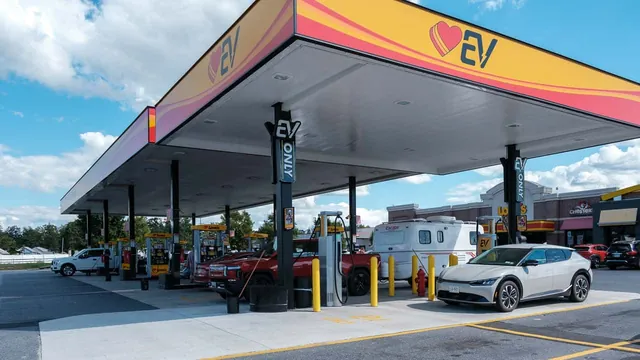
The USA is becoming a rare outlier in global EV adoption, with many countries investing heavily in electric vehicle infrastructure and incentivizing their production. Nissan's move to abandon its EV plans and invest in gas-powered trucks instead is a stark contrast to this trend. This shift highlights the challenges of transitioning to electric vehicles in the US market, where consumer demand and market conditions are not yet aligned with global best practices.
Nissan had initially planned to invest $500 million into its Mississippi factory and produce two EV models there. However, the company cancelled these plans in April 2021 due to changes in market conditions, customer demand, and its updated strategic direction. The decision was confirmed by an email sent to suppliers, which revealed that Nissan's priorities had shifted towards gas-powered trucks.
The new SUV model, Xterra, and the updated Frontier pickup truck will be built on the same production lines as the company's other body-on-frame vehicles. This move is expected to create jobs in the short term but may also lead to increased costs for consumers who are forced to purchase more expensive gas-powered vehicles.
Nissan's decision to focus on gas-powered trucks instead of electric vehicles is a significant blow to the industry's efforts to reduce emissions and promote sustainable transportation. The company's move highlights the challenges of transitioning to electric vehicles in the US market, where consumer demand and market conditions are not yet aligned with global best practices.
The shift away from EVs also raises concerns about the long-term viability of Nissan's manufacturing operations in the United States. As the demand for electric vehicles continues to grow globally, it is likely that other manufacturers will follow Nissan's lead and reassess their US production strategies.
Nissan's decision to invest $500 million in gas-powered trucks instead of EVs is a costly mistake that may have significant consequences for the company's bottom line. The move is expected to increase costs for consumers who are forced to purchase more expensive gas-powered vehicles, which could negatively impact Nissan's sales and market share.
The US government has been criticized for its lack of support for electric vehicle infrastructure development in recent years. Nissan's decision to abandon its EV plans highlights the need for greater investment in EV technology and infrastructure to ensure a sustainable transportation future.
In contrast, many countries are investing heavily in electric vehicle infrastructure and incentivizing their production. The shift away from EVs in the US market is a rare outlier in global EV adoption, and it may have significant consequences for the environment and public health.
The decision by Nissan to focus on gas-powered trucks instead of electric vehicles will likely have far-reaching implications for the automotive industry as a whole. As the demand for electric vehicles continues to grow globally, manufacturers must adapt their strategies to meet this growing demand and reduce their environmental impact.
This move highlights the challenges of transitioning to electric vehicles in the US market.