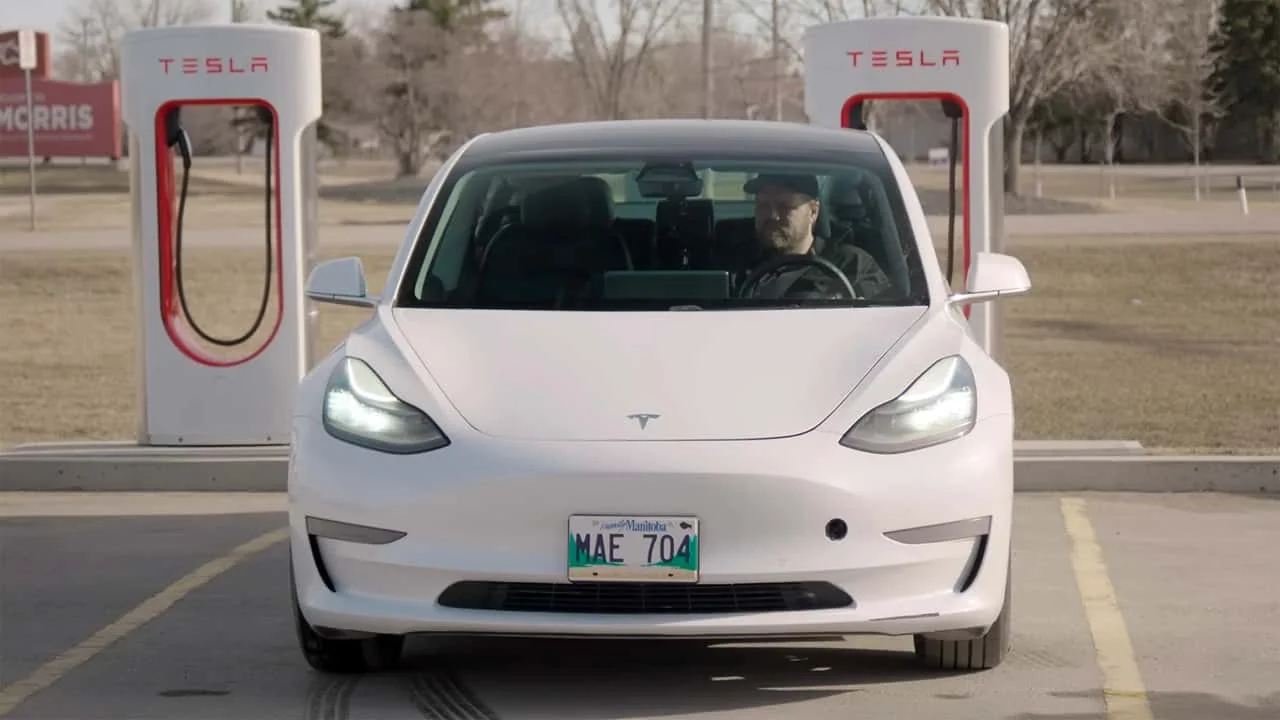
The 2019 Tesla Model 3 Standard Range Plus, with its impressive 380,000 miles on the odometer, is still driving fine despite losing around a third of its original battery capacity. This remarkable feat highlights the vehicle's reliability and endurance, but also raises questions about the long-term durability of Tesla's electric vehicles. The Model 3's battery degradation is a concern for owners who plan to keep their cars for an extended period. It is essential to note that this is not an isolated incident, as many owners have reported similar issues with their Tesla vehicles over the years.
The loss of battery capacity is significant, and it's unclear what factors contribute to this phenomenon. Some owners speculate that the Model 3's advanced technology and software may be at play, while others attribute it to environmental factors such as temperature fluctuations and charging habits. Whatever the cause, it's clear that Tesla needs to address this issue to maintain its reputation for building reliable electric vehicles.
Despite the battery degradation, the Model 3 still drives fine, with many owners reporting no significant changes in performance or range. This suggests that Tesla has made significant strides in improving the vehicle's overall durability and reliability. However, it's essential to note that this is not a guarantee, and owners should be prepared for potential issues down the road.
The Model 3's battery degradation also raises questions about the sustainability of electric vehicles as a viable alternative to traditional gasoline-powered cars. As more owners take their Tesla models out on the road, it's crucial to monitor their performance and identify any patterns or trends that may indicate a need for improvement.
Tesla's approach to addressing this issue is unclear, but the company has made efforts in recent years to improve its battery technology and manufacturing processes. However, it's essential to note that these improvements alone may not be enough to prevent battery degradation in the long term.
The Model 3's reliability remains a topic of debate among owners and s alike. While some praise Tesla for building high-quality electric vehicles, others criticize the company for prioritizing innovation over durability. As the automotive landscape continues to evolve, it's essential to monitor Tesla's progress and assess its impact on the industry.
The loss of battery capacity in the Model 3 is a significant concern, but it's not the only issue affecting Tesla's electric vehicles. Other problems, such as software glitches and electrical issues, have been reported by owners in recent years. These incidents highlight the need for Tesla to prioritize quality control and customer support.
Despite these challenges, Tesla remains one of the leading players in the electric vehicle market. The company's commitment to innovation and sustainability has captured the attention of many consumers, who are eager to adopt eco-friendly transportation options. However, it's essential to note that this enthusiasm must be tempered by a realistic assessment of the industry's limitations.
The Model 3's battery degradation serves as a reminder that electric vehicles are not yet perfect and require ongoing maintenance and improvement. As the automotive industry continues to shift towards sustainable energy solutions, it's crucial to prioritize research and development to address these challenges.
Ultimately, the Model 3's reliability will depend on Tesla's ability to balance innovation with durability. If the company can find a way to prevent or mitigate battery degradation, it may be able to establish itself as a leader in the electric vehicle market for years to come.
The Model 3's battery degradation raises questions about the long-term durability of Tesla's electric vehicles.