


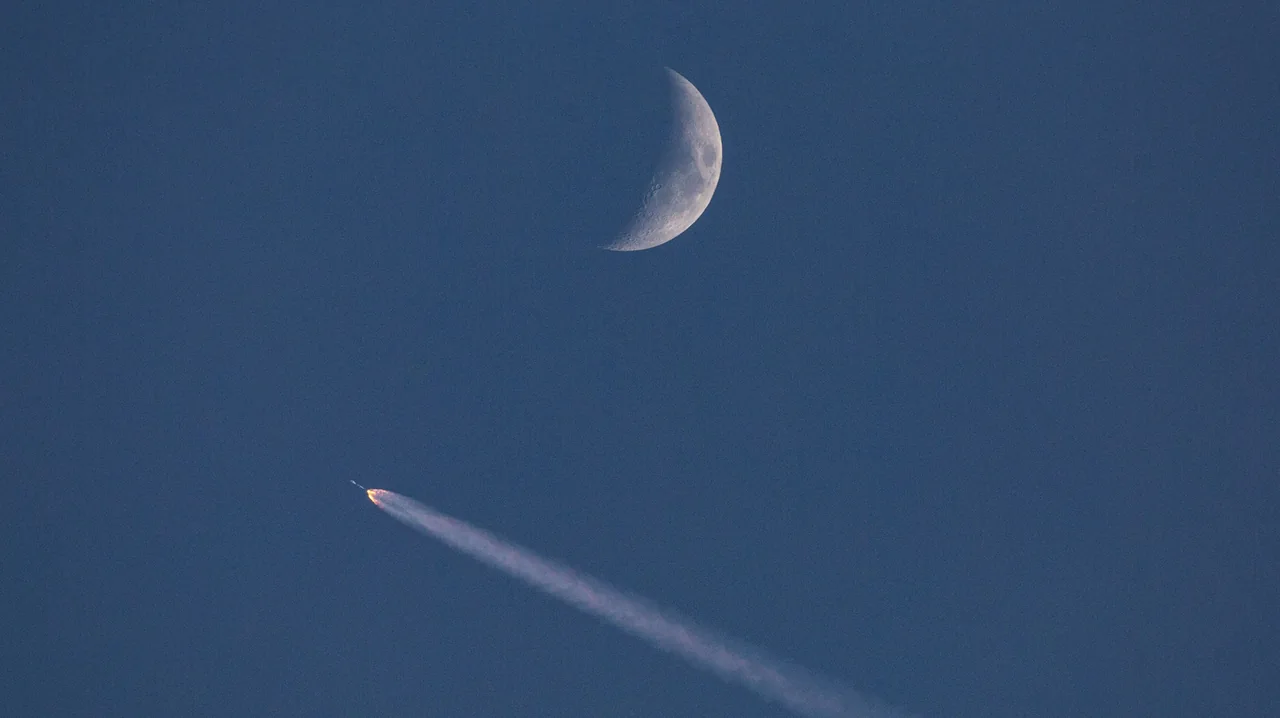
The Moon has become a dumping ground for humanity's trash, with the U.S. and China racing to put astronauts back on its surface.
Astronomer Bill Gray has calculated that a stray SpaceX Falcon 9 upper stage will crash into the lunar surface on August 5, 2026, in the vicinity of the Einstein crater.
This is not an isolated incident, as other space debris has already littered the Moon's surface, including pieces from commercial Moon landers.
The increasing number of rocket launches and lack of proper disposal methods have led to a growing problem of space debris.
The Outer Space Treaty of 1967 prohibits travelers from causing harm to celestial bodies through contamination or littering.
However, despite this treaty, SpaceX's negligence has resulted in a piece of its Falcon 9 upper stage becoming a type of lunar junk.
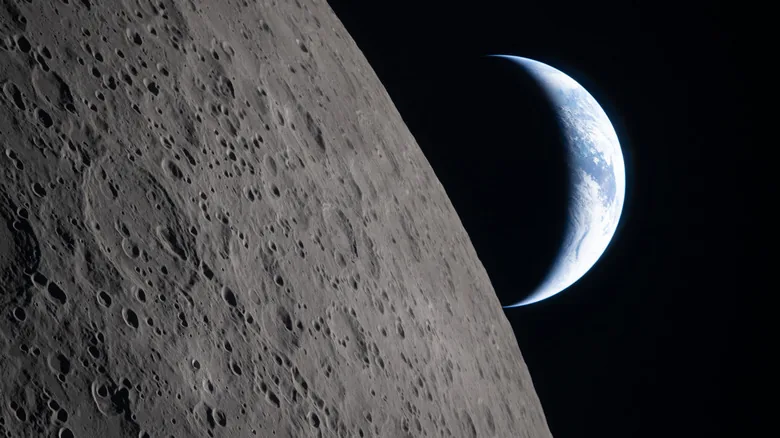
As the Moon becomes increasingly congested with man-made objects, the risk of collisions and debris impacts rises.
The consequences of not addressing space debris are severe, including damage to spacecraft and celestial bodies.
It is essential that space agencies and private companies take responsibility for properly disposing of their trash in space.
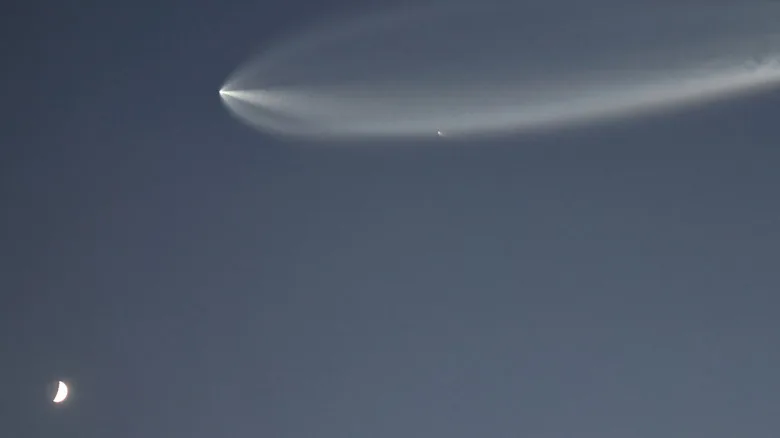
As the number of rocket launches increases, so does the risk of space debris impacting celestial bodies like the Moon.


