Car magazines have been using various methods to test vehicle acceleration for decades, with the traditional stopwatch being one of the earliest methods.
This method, which involves two people measuring the time it takes for a car to reach 60 mph, was widely used in the analog era.
However, as technology advanced, so did the methods used to measure acceleration, with the introduction of fifth-wheel testing in the 1950s.
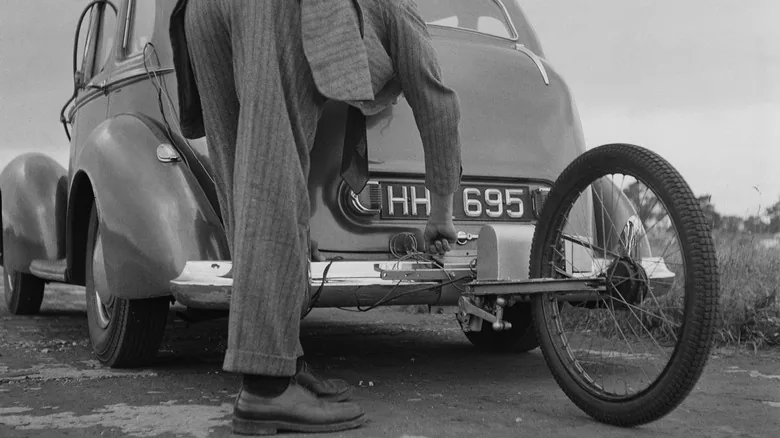
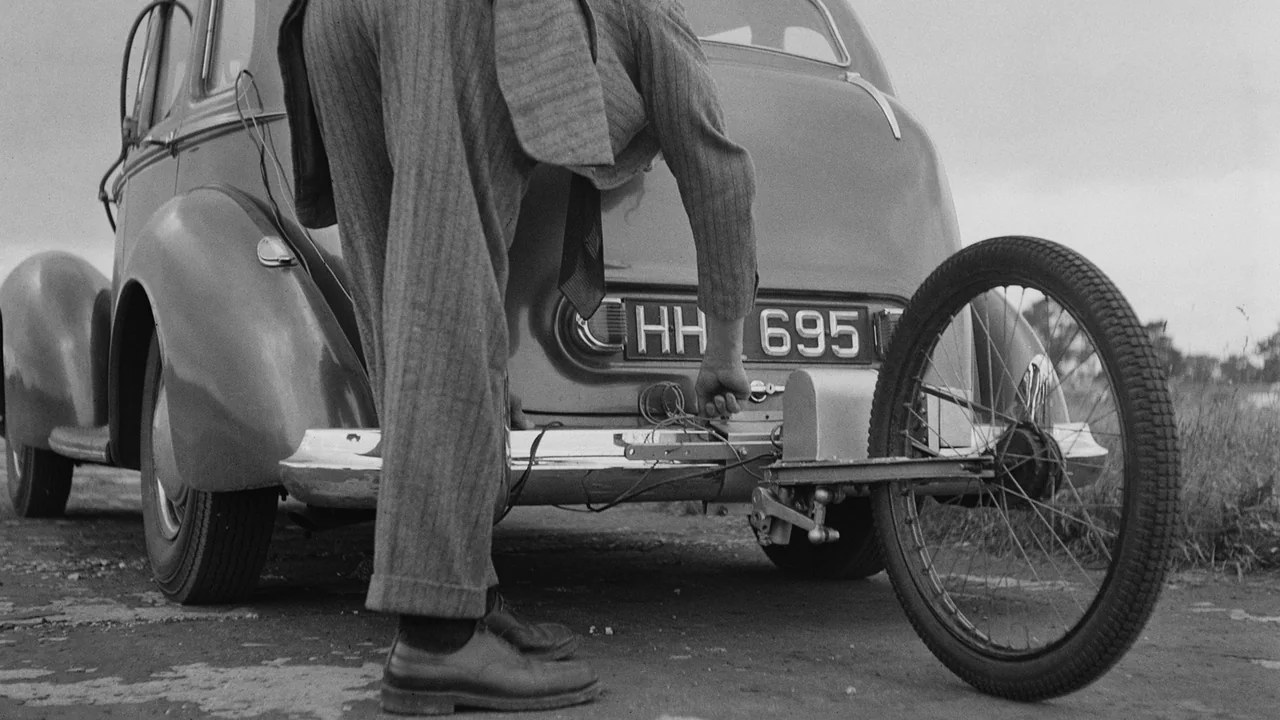
Fifth-wheel testing involved mounting an extra wheel on the side or rear of the car, which would be used to measure speed by detecting physical markings on the rim as it passed by optical sensors on the side of the road.
Despite its accuracy, fifth-wheel testing has largely been replaced by more advanced technologies, including GPS technology.
GPS technology was first applied in the early 1990s, with roof-mounted sensors from companies like Racelogic becoming widely used today.
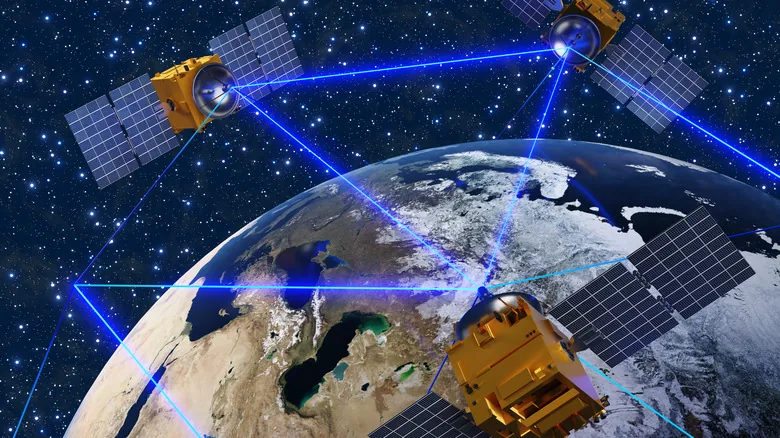
The Racelogic VBOX is one of the most common testing systems used in the industry, and its accuracy has made it a popular choice among car magazines and online testing outlets.
However, GPS technology does have its limitations, particularly in areas with poor satellite coverage or when testing vehicles in extreme environments.
In some cases, fifth-wheel testing may still be necessary, such as when testing vehicles in areas where GPS signals are weak or unreliable.
The shift to GPS technology has improved the accuracy and reliability of car acceleration tests, but it also highlights the importance of considering the limitations of different testing methods.
The shift to GPS technology has improved accuracy and reliability.