
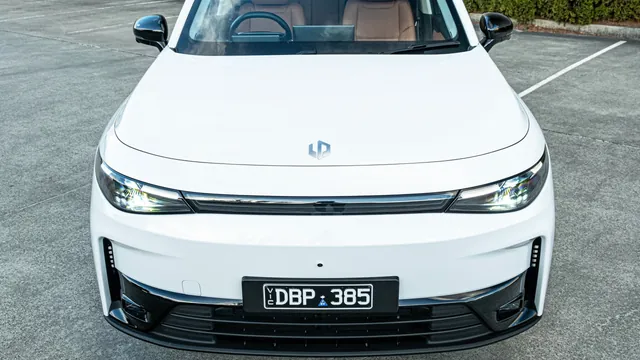

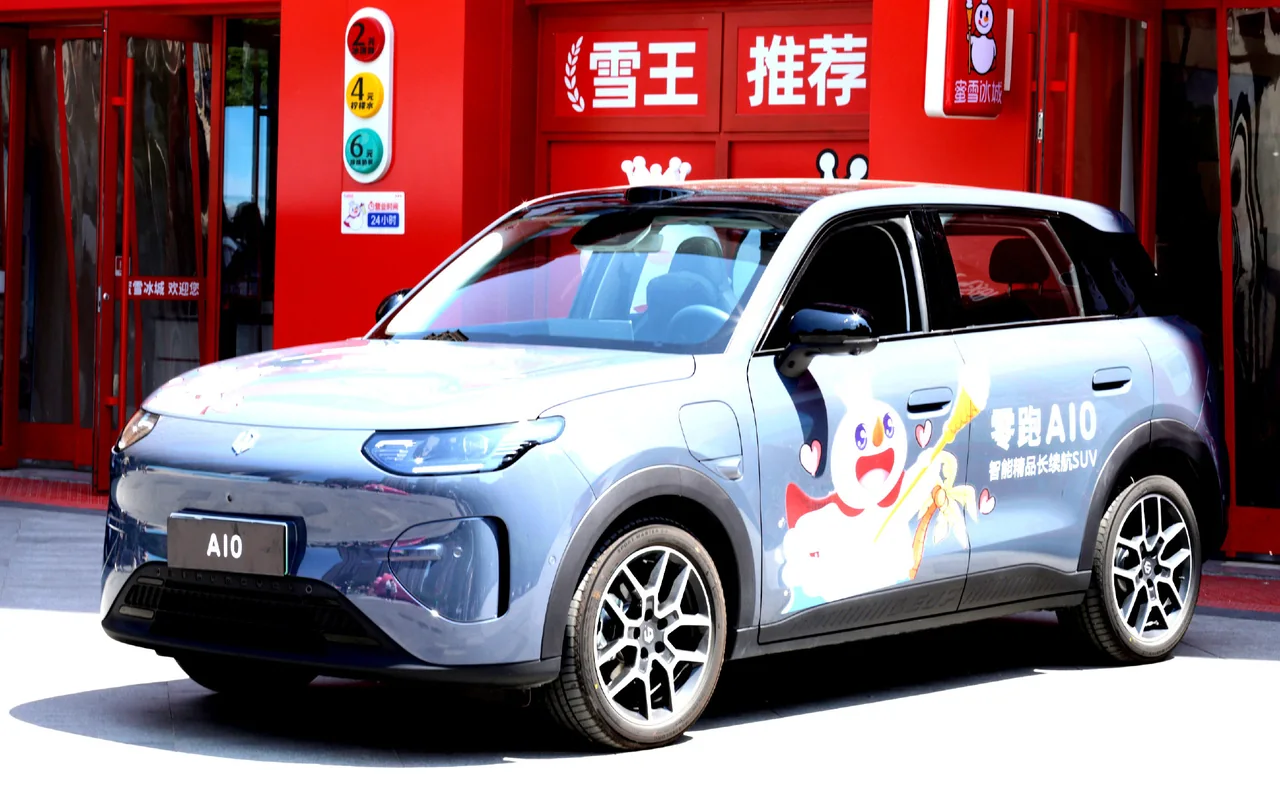
Europe has long been protective of its automotive industry, with strict regulations and tariffs aimed at keeping out foreign competitors. However, after years of exclusion, Chinese carmakers are finally getting a foot in the door. The European Commission has announced plans to open its markets to Chinese companies, paving the way for their entry into the region's car manufacturing sector. This move marks a significant shift in the EU's approach to trade and investment, as it seeks to strengthen its economic ties with China and other emerging economies.
The first factory to be established under this new agreement will be located in Hungary, where Chinese company SAIC Motor has already begun construction on a €100m facility. This move is seen as a major coup for the EU's automotive industry, which has been struggling to compete with low-cost producers from Asia and other regions. With China's vast market and increasingly sophisticated manufacturing capabilities, this partnership could bring new levels of efficiency and innovation to the EU's car production.
Despite concerns about intellectual property and labor standards, many experts believe that this deal will ultimately benefit consumers in the EU. By bringing in new investment and technology, Chinese carmakers can help drive down costs and improve product quality, making cars more affordable for European buyers. However, others warn that increased competition could also lead to job losses and downward pressure on prices.
The agreement is seen as a significant step forward for EU-China relations, which have been strained in recent years over issues such as trade and security. By opening its markets to Chinese carmakers, the EU is seeking to strengthen its economic ties with Beijing and build trust between the two sides. This move could also pave the way for further cooperation on areas such as climate change and sustainable energy.
The EU's decision to open its doors to Chinese carmakers has been welcomed by business leaders across Europe, who see it as a major opportunity for growth and investment. However, some have expressed concerns about the potential impact on domestic industries and workers. As the deal takes shape, it remains to be seen whether these concerns will prove justified.
Chinese carmakers have already made significant inroads into European markets in recent years, with brands such as Geely and BYD establishing a presence in key countries like Germany and France. However, this new agreement marks a major step forward for their efforts to establish themselves as major players in the EU's car manufacturing sector.
The deal includes a number of provisions aimed at protecting workers' rights and ensuring that Chinese companies meet EU standards for quality and safety. These measures are seen as a key condition for the agreement, which has been negotiated over several years. With the first factory now set to open in Hungary, it remains to be seen whether these conditions will prove sufficient.
As the EU's automotive industry continues to evolve, this new deal marks an important turning point. By embracing Chinese carmakers and their technology, the EU is seeking to position itself for success in a rapidly changing global market. With the stakes higher than ever, this move could have far-reaching consequences for businesses, workers, and consumers across Europe.
The agreement sets a precedent for future cooperation between the EU and China on areas such as trade and investment. As the two sides continue to navigate their complex relationship, it remains to be seen whether this deal will prove a model for future partnerships or a one-off concession.
This move could lead to increased competition and innovation in the EU market.


