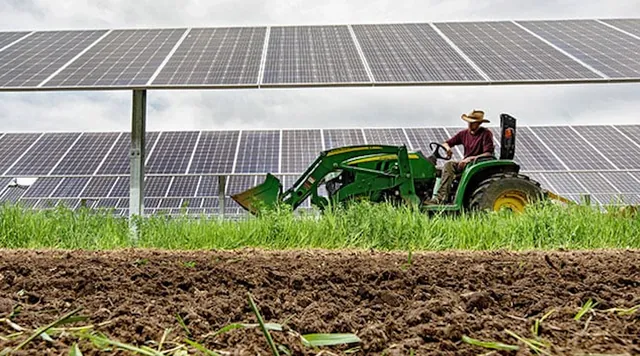


Yesterday, we celebrated Mothers' Day, marking an opportunity to reflect on the historical significance of this holiday. Originally, it was not designed to encourage people to be nice to their mothers, but rather as part of women's efforts to gain power and change society in the late 19th century. Julia Ward Howe, a key figure in the celebration, advocated for women to take control of politics from violent men who perpetuated war and violence. This sentiment is particularly relevant today, as the United Nations asks women to rise up and lead the transition to clean energy.
The UN's call on women to lead the clean energy transition highlights the importance of diverse leadership in driving this critical effort. Lisa Kurbiel, head of the joint SDG fund Secretariat, emphasizes that 'if we want the clean energy transition to be truly transformative, women must be at the forefront.' This underscores the need for women's empowerment and participation in shaping the future of clean energy.
A closer look at history reveals that women played a crucial role in driving social change during times of war. In the aftermath of the Civil War, women took on new responsibilities as caretakers of homesteads while men were away fighting. They managed finances, fundraised, and negotiated harvests, demonstrating their economic power and influence.
However, this newfound empowerment was short-lived. The 1869 Fourteenth Amendment to the Constitution failed to include women's rights, crushing the collective hope for equality. Women responded by organizing the National Woman Suffrage Association and the American Woman Suffrage Association, demanding their voices be heard in federal government proceedings.
Today, a similar sentiment resonates with women caught in global turmoil over the transition to clean energy. The clean energy transition is not just about technology; it's also about people who design systems, lead investments, and benefit from opportunities created by these initiatives.
Kurbiel notes that one UN priority is to help de-risk investments in renewable energy, a strategic move that can be made by women and for women. This underscores the need for inclusive leadership and investment decisions that prioritize women's participation and empowerment.
A transformative clean energy transition requires diverse leadership and investment strategies. Women's participation is crucial for driving this effort forward, as they bring unique perspectives and experiences to the table.
The historical roots of women's empowerment in politics serve as a powerful reminder of the importance of inclusive decision-making. By embracing women's voices and leadership, we can create a more equitable and sustainable future for all.
As we move forward with the clean energy transition, it's essential to recognize the critical role that women will play in shaping this effort. By empowering women and promoting diverse leadership, we can unlock new opportunities for growth, innovation, and progress.
Women's participation is crucial for a transformative clean energy transition.