
The energy crisis is having a profound impact on the global economy, causing disruptions to global trade that are reminiscent of the pandemic era. The recent surge in logistics activity reflects this trend, with some gauges reaching their highest levels since 2020-23.
Logistics plays a critical role in the global economy, accounting for an estimated 10% of world GDP and capturing the movement of goods between suppliers, factories, and final consumers. As such, it is essential to monitor supply chain stress closely to anticipate potential economic implications.
The Federal Reserve Bank of New York's Global Supply Chain Pressure Index has risen for three straight months, with a notable increase in April to its highest level in almost four years. This reflects the growing strain on global trade due to the energy crisis.
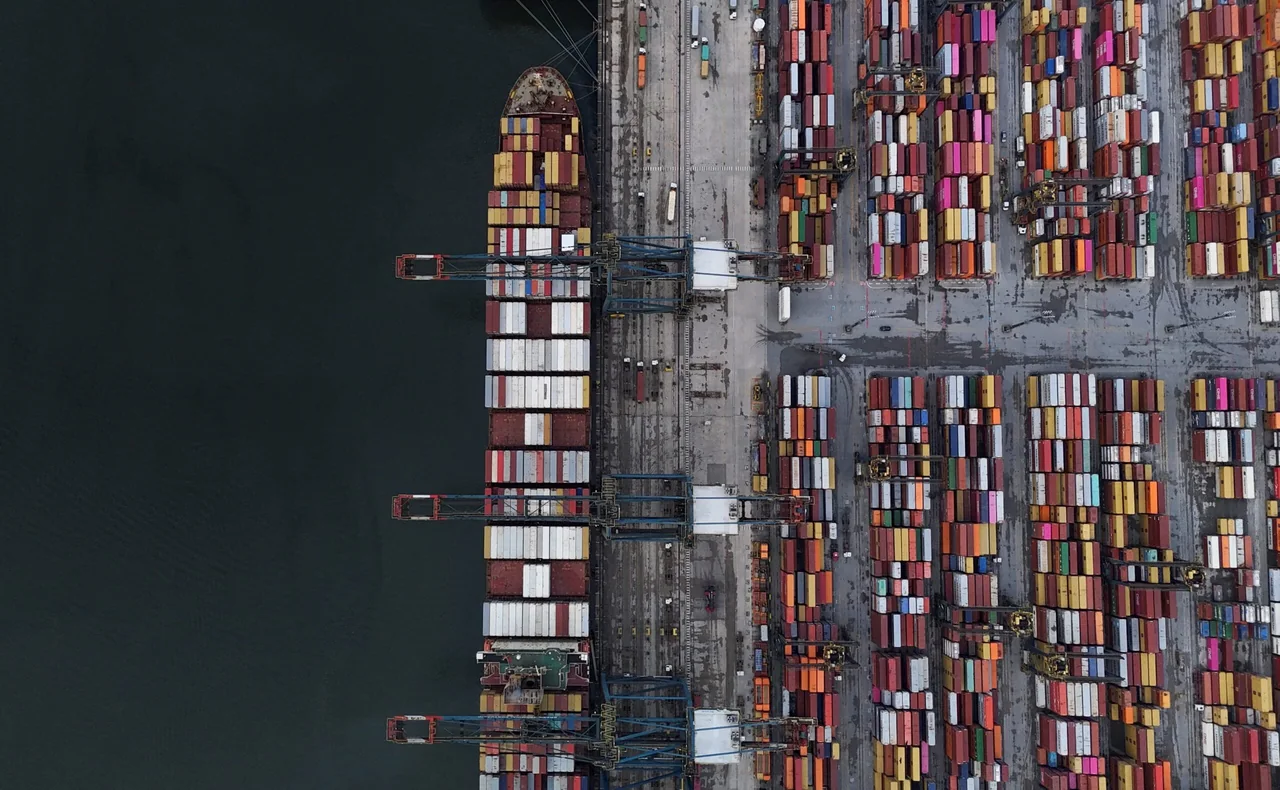
The World Bank's Global Supply Chain Stress Index is also flirting with its pandemic peak, highlighting the challenges faced by container shipping and ports. The decision by many cargo carriers to avoid the Red Sea has added time and fuel costs, stretching capacity and contributing to the current level of stress.
A.P. Moller-Maersk A/S, the world's No. 2 carrier, plans to charge customers more to recoup added energy expenses, while slowing ship speeds to conserve fuel. This strategy aims to find a balance between cargo rates and sustaining demand for the service.
The impact of the energy crisis on freight rates is being felt across the globe, with many shipping lines adapting to rising costs by implementing rate hikes and speed reductions. However, this may not be enough to mitigate the effects of the crisis, as inflation concerns continue to rise.
As central banks monitor the situation closely, they must consider the potential for a recurrence of high inflation. The current surge in global supply chain stress serves as a warning sign, highlighting the need for proactive measures to mitigate its impact on the economy.
The relationship between energy costs and shipping rates is complex, but it is clear that the energy crisis is having a profound impact on the global economy. As policymakers navigate this challenging landscape, they must prioritize finding solutions to reduce energy costs and promote sustainable trade practices.
Ultimately, the success of these efforts will depend on the ability of policymakers to balance competing interests and find effective solutions to address the root causes of supply chain stress.
The current surge in global supply chain stress is a warning sign for the economy, highlighting the need for policymakers to take proactive measures to mitigate its impact.