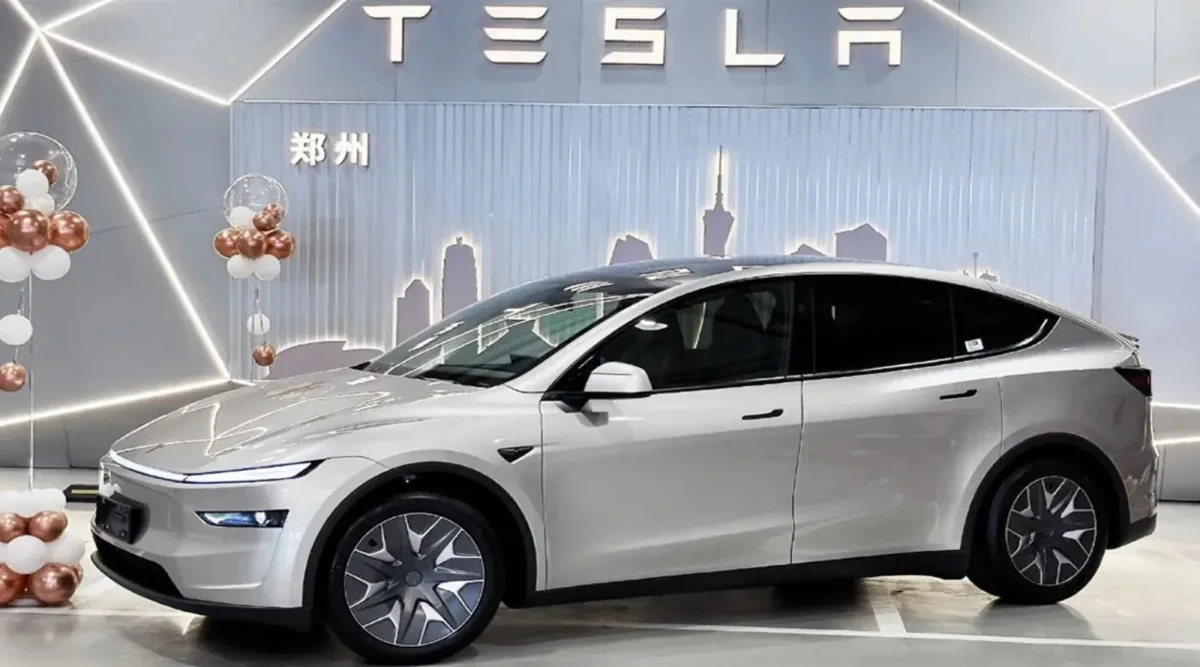
The automotive industry is witnessing a significant shift in its approach to sales and financing, particularly in the electric vehicle (EV) sector. In China, where Tesla has seen its sales drop by 10% year-over-year in April, the company has introduced new loan terms and reduced down payment requirements for customers. This move aims to reverse the decline in sales and make EVs more appealing to potential buyers. By offering a 5-year loan with an annualized interest rate of 0.99%, Tesla is providing a more attractive financing option compared to conventional loans, which typically come with higher interest rates.
The impact of this move on the Chinese market will be closely watched, as it may help stabilize the EV sector, which has been facing challenges due to increasing competition and regulatory changes. However, it remains to be seen whether Tesla's incentives will be enough to reverse the sales decline and get the company back on an upward trajectory in China.
The reduction in down payment requirements is another key aspect of Tesla's strategy, with the required down payment for a Tesla Model 3 reduced from 79,900 yuan ($11,730) to 55,900 yuan ($8,210). While this may seem like a modest cut, it could make a significant difference for buyers who are looking to purchase an EV.
The loan terms offered by Tesla also provide a more favorable comparison to conventional loans. According to the South China Morning Post, the five-year loan costs 2,193 yuan monthly and ends with a final payment of 45,500 yuan at the end of the five-year period. This is significantly lower than what customers would typically pay on a conventional loan.
The interest savings offered by Tesla's loan program could be substantial, with estimates suggesting that customers could save up to 26,000 yuan in interest compared to a conventional loan. However, it remains to be seen whether this will translate into increased sales for the company.
Tesla's move is not an isolated incident, as other companies have also introduced similar financing incentives in the Chinese market. The company's strategy is likely aimed at stabilizing its sales momentum and positioning itself for long-term success in the EV sector.
The Chinese EV market has been facing significant challenges in recent times, with declining sales and increasing competition from local players. Tesla's move may help stabilize the market, but it also raises questions about the sustainability of this approach in the long term.
Ultimately, the impact of Tesla's loan terms on its sales will depend on various factors, including consumer demand, pricing strategies, and regulatory changes. As the company continues to navigate the challenges of the Chinese EV market, it is likely that we will see further adjustments to its financing incentives and sales strategies.
The automotive industry is undergoing a significant transformation, with electric vehicles becoming increasingly popular worldwide. Tesla's move in China highlights the importance of flexible financing options and attractive pricing strategies in driving sales and growth in this sector.
Whether Tesla's loan terms and reduced down payment requirements will be enough to reverse its sales decline remains to be seen. However, one thing is clear: the company's strategy is focused on making EVs more appealing to potential buyers and positioning itself for long-term success in the Chinese market.
Tesla's move may help stabilize the Chinese EV market but also raises questions about long-term sustainability.