
MicroVision's leadership has learned from the past decade's failed self-driving ventures, focusing instead on building a robust infrastructure and talent base.
The company's new strategy emphasizes automotive discipline, targeting commercial trucks, passenger vehicles, industrial automation, and defense applications with a modular portfolio designed for cost efficiency.
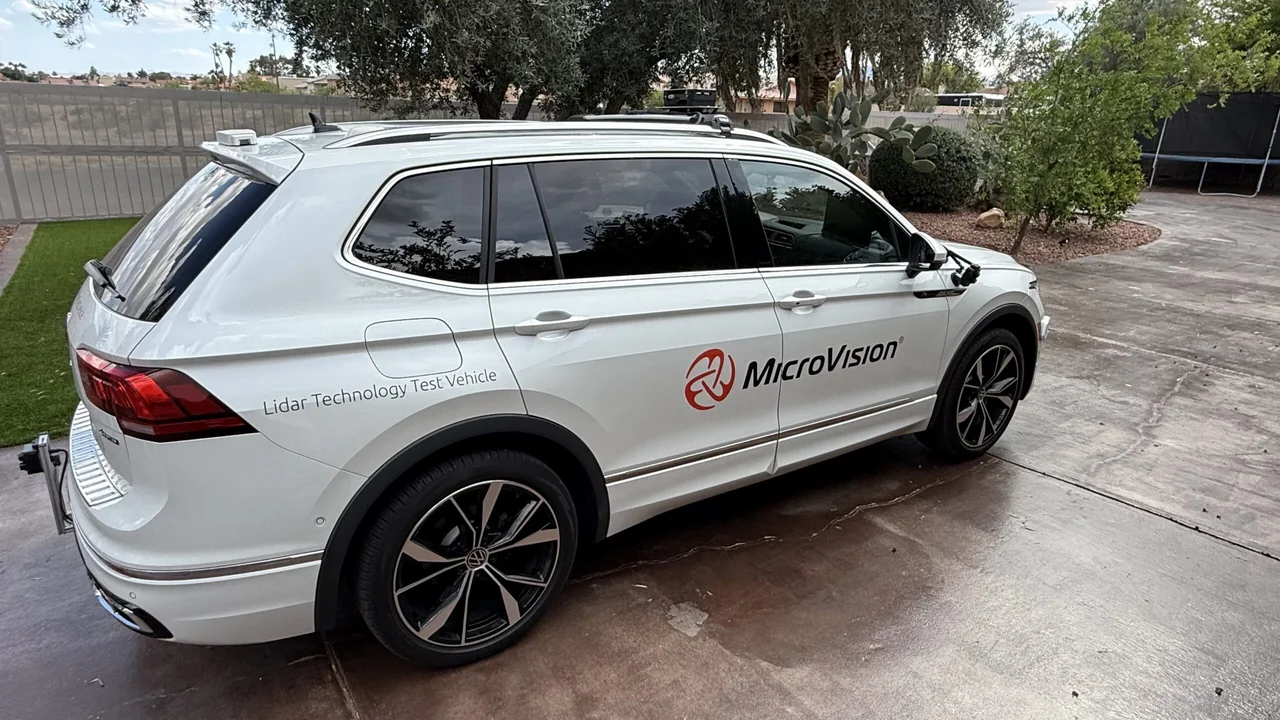
By applying its expertise to sensor development, MicroVision aims to improve truck safety and efficiency, reducing the need for expensive sensor suites and unsustainable business models.

The company's open software framework allows customers to run their own code directly on MicroVision's sensor processor, reducing development layers and enabling differentiation through proprietary algorithms.
Fiscal discipline is another key pillar of MicroVision's strategy, with a fixed spending envelope and refusal to make massive capital outlays before securing customer commitments.
Recent acquisitions have reshaped the company's product roadmap, bringing production programs with Volvo and other automakers, as well as gaining an ASIC design team and world-class validation facilities.
The $33 million Luminar deal has provided MicroVision with a significant boost, allowing it to expand its trucking focus and capitalize on the growing demand for autonomous trucking solutions.
By applying its expertise to sensor development, MicroVision is well-positioned to capitalize on the growing demand for autonomous trucking solutions, improving truck safety and efficiency in the process.
The company's modular portfolio targets commercial trucks, passenger vehicles, industrial automation, and defense applications, offering a cost-efficient solution for a range of industries.
By diversifying its portfolio and adopting a cost-efficient approach, MicroVision is well-positioned to capitalize on the growing demand for autonomous trucking solutions.