California has rolled out another program to incentivize the purchase of zero emission vehicles (ZEVs), this one with $1 billion in backing funded by a state clean fuel program. The program will be funded by income from the state's Low Carbon Fuel Standard (LCFS). The LCFS is a system of credits and mandates to incentivize the use of lower-carbon transportation fuels, like renewable diesel.
The program will grant truck dealerships the status and then the funding of an authorized retailer that can provide rebates for new truck purchases. This move aims to increase the adoption of ZEVs in California's commercial fleet market.
Only a handful of retailers have applied so far, owing to the fact that the program only recently launched. The spokesman for the California Air Resources Board stated that retailers must meet specific requirements and sign agreements to become authorized dealers.

The LCFS program has been in effect since 2011 when it made a limited launch. Since then, the buying and selling of credits has become an active market. Credit prices are now about $65-$70 per metric ton, but they've been close to $200/mt.
Funded with revenue utilities generate from the state's LCFS, the program is expected to become the largest utility-administered rebate program for electric trucks in the country, with $250 million available this year and over $1 billion in total rebate funding expected through 2030.
The size of the rebates are based on gross vehicle weights. A commercial truck between 8,501-10,000 pounds can get a rebate of $7,500. One in excess of 33,000 pounds, which would include class 8 vehicles, can get $120,000.
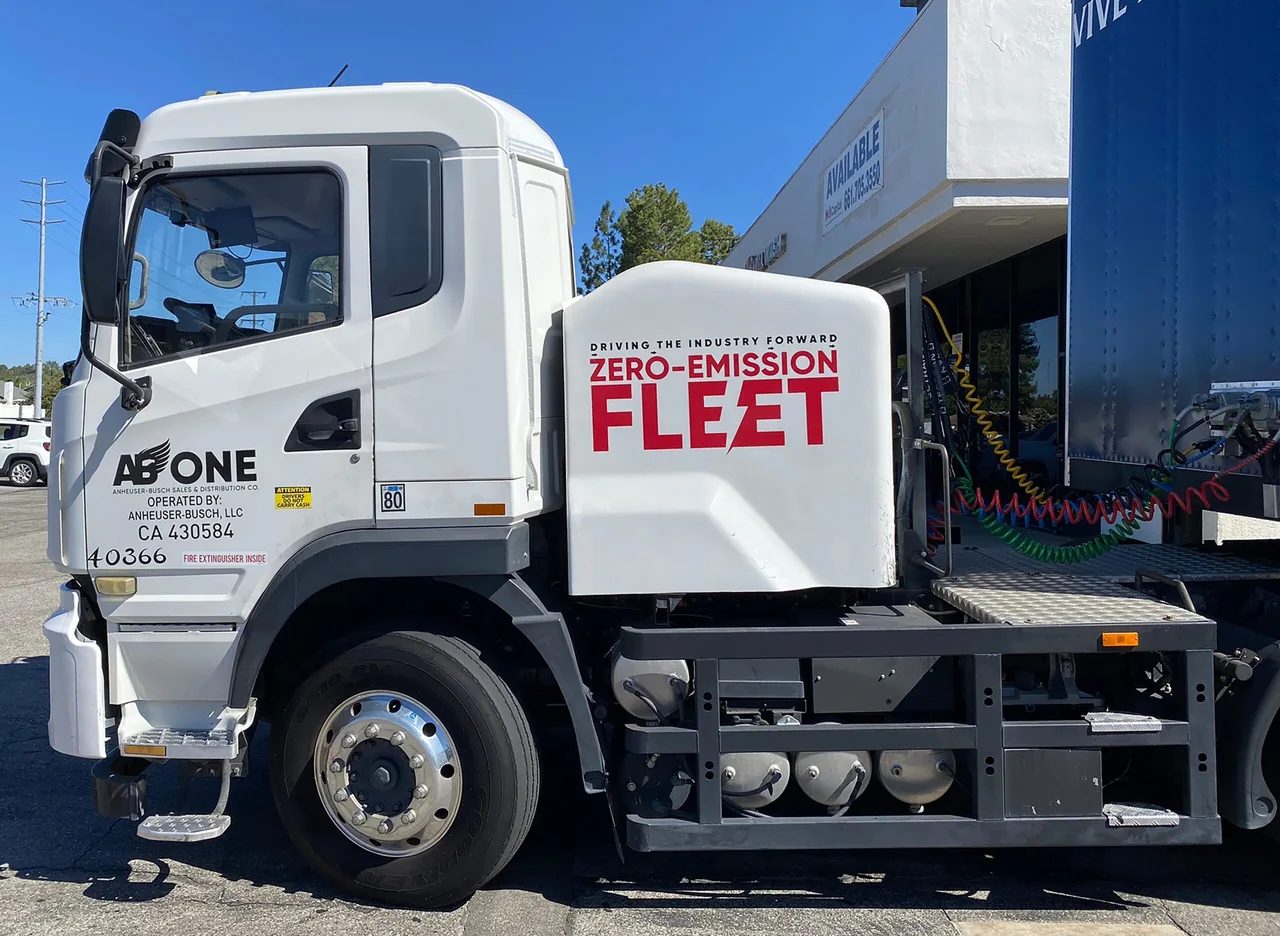
CARB's list of eligible vehicles includes drayage trucks, electric semis, box trucks, delivery vans, and other fleet vehicles. Public fleets can also use the CCFR program to purchase smaller vehicles, with pickup trucks cited as an example.
In 2024, CARB reported that sales of ZEV trucks, big and small, totaled about 23% of all sales. This increase in adoption is a positive step towards reducing California's carbon emissions.
The CCFR program is expected to play a significant role in promoting the adoption of zero-emission trucks in California, particularly among commercial fleets.
The CCFR program is expected to play a significant role in promoting the adoption of zero-emission trucks in California.