
The tire-changing industry is about to undergo a significant transformation with the introduction of SmartBay, an AI-powered robot designed to revolutionize the way tires are changed. This innovative technology has the potential to speed up service appointments, increase consistency, and improve safety at shops and on the road. However, there are still many questions surrounding its functionality and effectiveness.
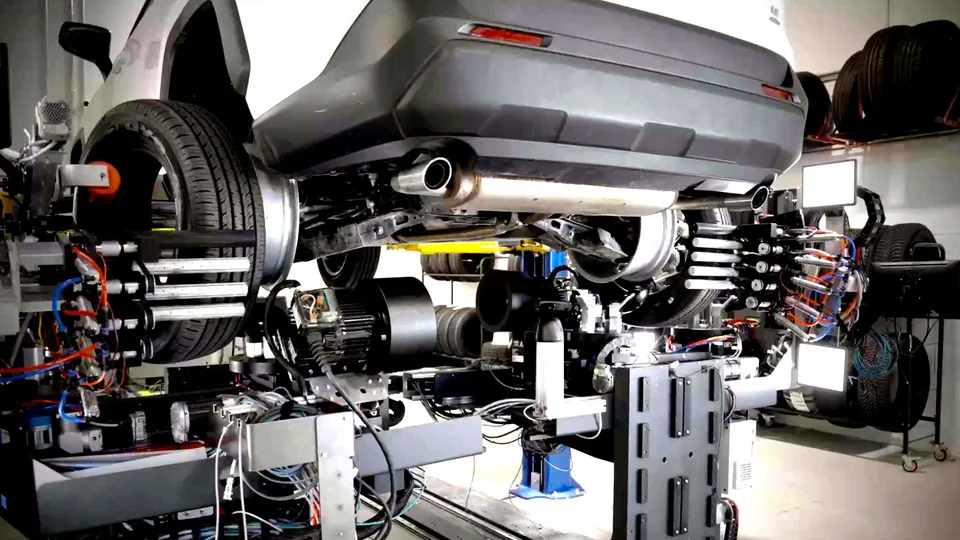
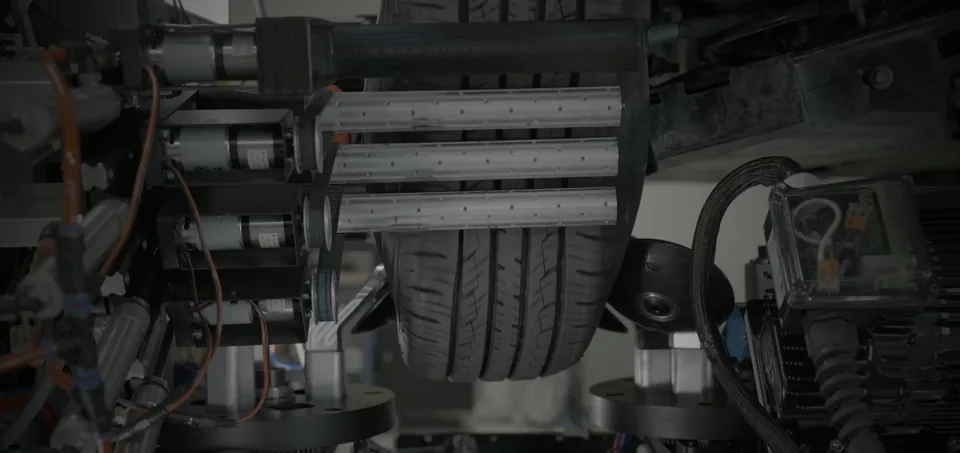
SmartBay is developed by Automatic Tire Inc, a Boston-based robotics company. The robot's capabilities include dismounting tires directly from the rim without removing wheels from the car, balancing new tires on the wheel, and cutting wheel weights to exceptional levels of balance and waste reduction.
The system can also provide insights to technicians about the state of the brake system through a camera. This technology has the potential to significantly reduce the workload on tire technicians, allowing them to focus on more complex tasks or work on multiple machines simultaneously.
Leasing SmartBay costs $4,900 per month, which is less than hiring a dedicated tire technician. However, this calculation depends on the hourly wage of the technician and may not account for benefits, training, and turnover costs.
The average hourly wage for tire technicians in the US ranges from $17 to $50, depending on experience and location. This means that full-time tire techs can earn anywhere from $35,000 to $50,000 per year. SmartBay's lease price may be comparable to or even lower than this range.
SmartBay is designed to speed up service appointments by automating the most labor-intensive tasks. Rather than relying on a technician to manually remove wheels and dismount tires, SmartBay performs these tasks itself with minimal human oversight.
The technology has the potential to improve safety at shops and on the road by reducing the risk of human error. Additionally, it can help free up technicians to work on multiple machines simultaneously, increasing efficiency and productivity.
One person can theoretically handle three bays at once while SmartBay performs most of the laborious work. This could lead to significant increases in shop efficiency and productivity, making it an attractive option for shops looking to streamline their operations.
As with any new technology, there are still many questions surrounding SmartBay's functionality and effectiveness. Further testing and evaluation will be necessary to determine its full potential and impact on the tire-changing industry.