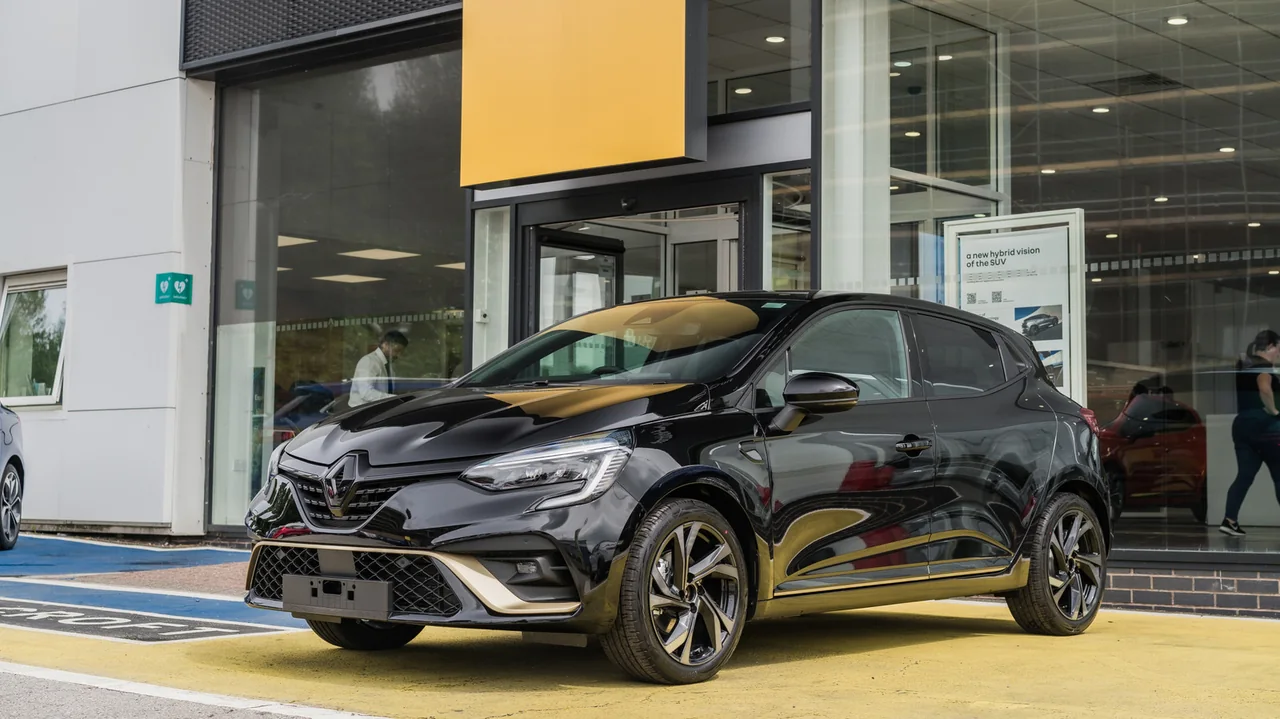
Dealerships do not have to offer loaner cars when yours is in for service, but they can be offered as a courtesy. This courtesy is not guaranteed and should be treated with understanding.
The costs associated with maintaining loaner cars can be significant, which may lead some smaller dealerships to opt out of offering them altogether. However, larger dealerships are more likely to have loaner cars available for customers who meet certain criteria.
Automakers such as Toyota and BMW have specific policies regarding loaner car eligibility, including requirements for vehicle age, warranty status, and repair type.
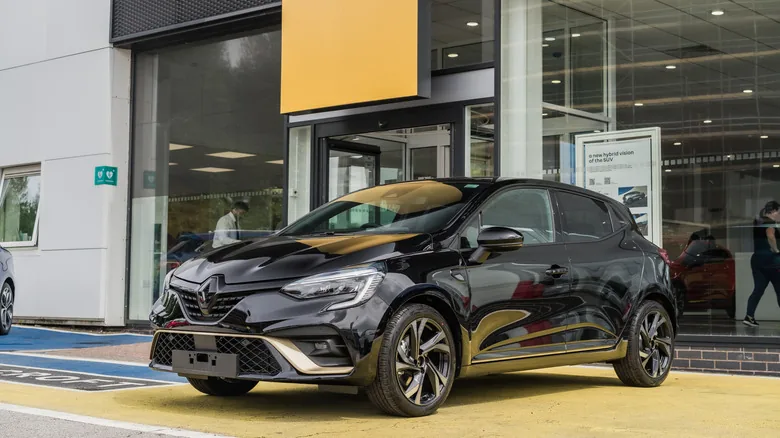
These policies highlight the importance of understanding what is expected when requesting a loaner car. Customers should be aware that not all dealerships will offer loaner cars, even if they meet the necessary criteria.
The availability of loaner cars can vary greatly depending on the dealership's size and capacity. Smaller dealerships may not have enough resources to provide loaner cars, while larger ones may have a wider selection.
Even if a loaner car is available, customers should be prepared for it not to be the same make or model as their own vehicle. Loaner cars are typically used for short-term rentals and may not meet the customer's specific needs.

To increase the chances of getting a loaner car, customers should call ahead and confirm availability before booking service work. This will help ensure that they meet the necessary criteria and can plan accordingly.
Ultimately, understanding the dealership's policies and expectations is crucial for a smooth and stress-free experience when requesting a loaner car.
Customers who fail to meet the eligibility criteria or do not follow proper procedures may be left without a loaner car, highlighting the importance of planning ahead.

Dealerships are under no obligation to provide loaner cars, and customers should not expect them as a standard service.