
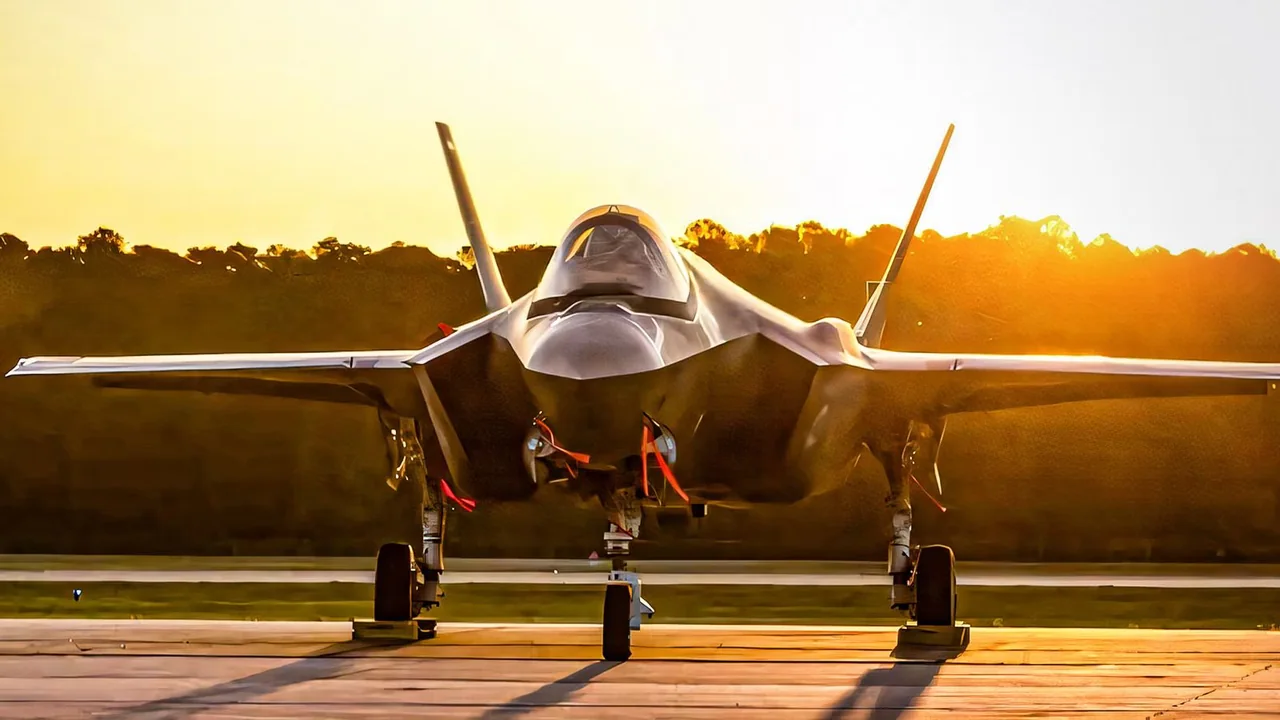
The F-35 Lightning II has been called both the most expensive mistake in Pentagon history and the most capable fighter aircraft ever built. The tension between these descriptions defines a program that has consumed over two decades, produced more than 1,200 aircraft, and generated a cost estimate that now exceeds $2 trillion across its projected 77-year lifecycle.
The acquisition process for the F-35 has been marked by cost overruns, delivery delays, software failures, and contractor accountability problems. Despite these challenges, the aircraft itself has accumulated a performance record that its critics struggle to dismiss.
The F-35 program was conceived in the 1990s around a straightforward premise: building one fighter in three variants that could satisfy all three services. The strategy of concurrency, which began manufacturing aircraft in volume before development and testing were complete, was intended to accelerate delivery and reduce unit costs.

However, this approach had the opposite effect, as problems revealed during testing led to costly retrofits and modifications on already-built aircraft. As production grew, so did the cost of fixing these problems after manufacture.
The program's impact extended beyond the United States, with production work distributed across 45 U.S. states and eight countries. This created an industrial and political constituency that has helped sustain the program despite its challenges.
Despite the criticism, the F-35 has become the most widely deployed stealth fighter in history. Its capabilities make it a game-changer for defense strategies, but the cost and complexity of the program have raised significant concerns about its long-term viability.

The F-35's performance record is characterized by its advanced sensors, networking capabilities, and ability to integrate with other systems. These features have made it a valuable asset for military operations, but they also contribute to the program's high costs and technical complexities.
As the program enters its final stages, there are questions about what will happen to the F-35 once it is no longer needed. Will it be retired, or will it continue to serve in some form? The answer will depend on how the Pentagon chooses to manage the program's legacy and ensure that its capabilities are used effectively.
The future of the F-35 program is uncertain, but one thing is clear: its impact on defense strategies and procurement practices will be felt for years to come. As the world becomes increasingly complex and interconnected, programs like the F-35 will continue to shape the way we think about military operations and national security.

The F-35's capabilities make it a game-changer for defense strategies, but the cost and complexity of the program have raised significant concerns.