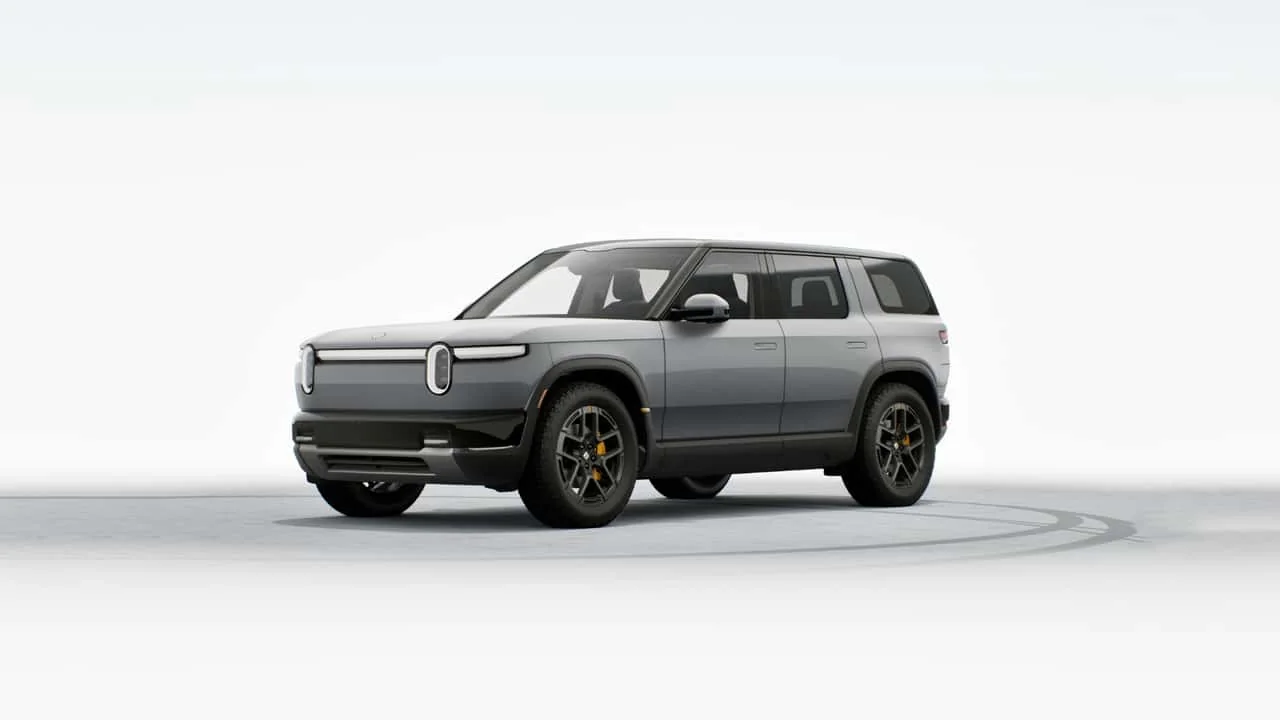
The Rivian R2, an electric pickup truck, has been generating buzz among enthusiasts and investors alike. Its latest development - a lidar-equipped variant - has raised questions about whether waiting for this feature is worth the headache. The delay in software implementation has sparked concerns among customers who are eager to get their hands on the vehicle.
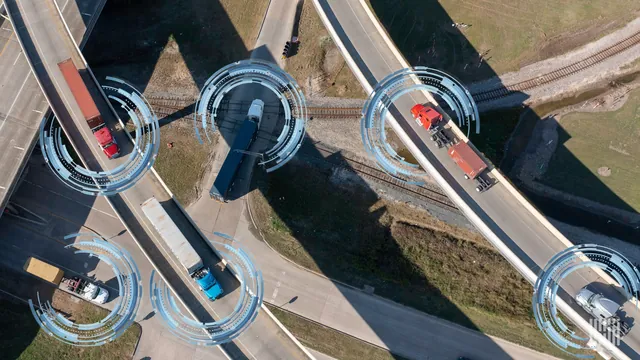
Lidar technology has become a crucial aspect of autonomous driving, enabling vehicles to detect and respond to their surroundings more effectively. However, implementing this technology requires significant software updates, which can be time-consuming and costly. Rivian's Chief Software Officer has revealed that the company is working diligently to integrate lidar into the R2, but the timeline remains uncertain.
The delay in lidar implementation may have a ripple effect on the entire automotive industry. As autonomous driving becomes increasingly important, manufacturers are racing to develop and deploy lidar technology in their vehicles. Rivian's decision to wait for lidar could potentially impact its market position and competitiveness in the electric truck segment.
On the other hand, some argue that waiting for lidar may not be a bad thing for customers. The current R2 model is already an impressive electric pickup truck, offering exceptional range and performance. While lidar technology is undoubtedly exciting, it's essential to consider whether it's worth compromising on the vehicle's overall value and usability.
The Rivian R2's lidar-equipped variant may not be available until 2024 or later, according to some reports. This extended timeline could lead to a delay in production and delivery, potentially affecting customers who are eager to get their hands on the vehicle.
Lidar technology has significant implications for vehicle safety and security. The ability to detect and respond to obstacles more effectively can reduce the risk of accidents and improve overall road safety. However, the implementation of lidar technology also raises concerns about data privacy and cybersecurity.
The Rivian R2's lidar-equipped variant will likely be a game-changer in terms of autonomous driving capabilities. The vehicle's advanced software system will enable it to detect and respond to its surroundings more effectively, making it an attractive option for those who want the latest technology.
Despite the delay in lidar implementation, Rivian remains committed to delivering exceptional electric vehicles. The company's focus on innovation and customer satisfaction is evident in its ongoing efforts to improve the R2 model.
The automotive industry is rapidly evolving, with autonomous driving becoming increasingly important. As manufacturers like Rivian continue to develop and deploy lidar technology, we can expect to see significant advancements in vehicle safety and security.
As the market for electric trucks continues to grow, Rivian's decision to wait for lidar may have long-term implications for its success. The company must balance its commitment to innovation with its responsibility to deliver exceptional vehicles that meet customer expectations.
Lidar technology implications for the automotive industry.