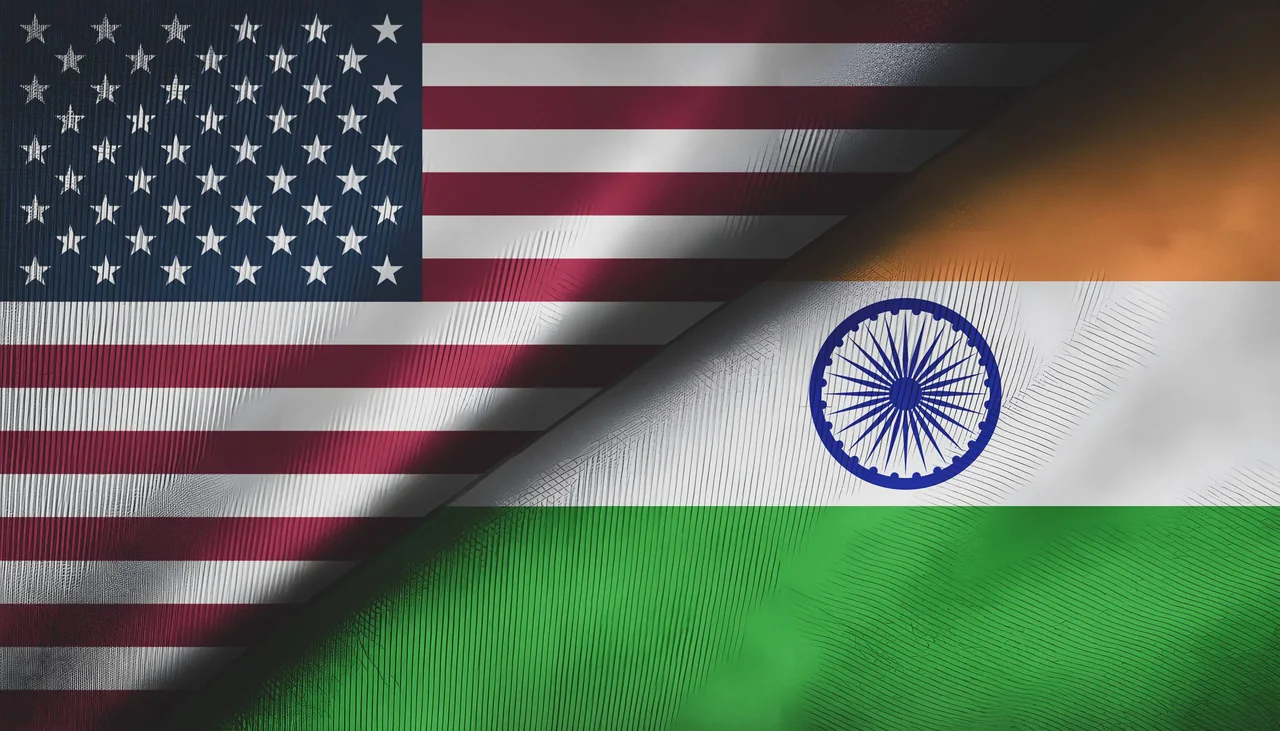
India has taken a firm stance against US-sanctioned tanker ships linked to Iran, seizing three vessels this month as part of its efforts to curb illicit trade. The seizures come after an improvement in US-India relations, with Washington announcing plans to cut import tariffs on Indian goods to 18% from 50%. This move is seen as a positive step towards strengthening bilateral ties and reducing tensions between the two nations.
The three seized tankers - Stellar Ruby, Asphalt Star, and Al Jafzia - have been linked to Iran and were frequently changing their identities to evade law enforcement by coastal states. The owners of these vessels are based overseas, highlighting the complex web of ownership structures used to facilitate illicit trade. This tactic is often employed by sanctioned entities to avoid detection and prosecution.
The Indian Coast Guard has deployed a significant number of ships and aircraft for round-the-clock surveillance in its maritime zones, with approximately 55 vessels and 10-12 aircraft on high alert. This increased presence is seen as a response to the growing threat of illicit trade and the need to prevent ship-to-ship transfers that obscure the origin of oil cargoes.
The US Office of Foreign Assets Control last year sanctioned three tankers - Global Peace, Chil 1, and Glory Star 1 - with IMO numbers identical to the ships captured by India. These sanctions were imposed due to the vessels' alleged involvement in illicit activities, including ship-to-ship transfers that facilitated the sale of sanctioned oil and fuel.
Two of the three seized tankers are linked to Iran, with Al Jafzia having carried fuel oil from Iran to Djibouti in 2025. The Stellar Ruby is flagged in Iran, while the Asphalt Star has mostly operated on voyages around China. These vessels' routes highlight the complexity of illicit trade networks and the need for increased cooperation between nations to combat this threat.
The sale of sanctioned oil and fuel often occurs at deep discounts due to the risks involved. Intermediaries use complex ownership structures, false documentation, and mid-sea transfers to complicate enforcement. This makes it challenging for authorities to track and intercept sanctioned vessels.
Sanctions imposed on these tankers are intended to disrupt their operations and prevent them from contributing to illicit trade. However, the use of shell companies and other tactics can make it difficult to pinpoint the ultimate owners and beneficiaries of these sanctions.
The recent seizures of US-sanctioned tankers linked to Iran demonstrate India's commitment to preventing illicit trade in its maritime zone. This move is seen as a significant step towards strengthening bilateral ties with the US and reducing tensions between the two nations.
As the global landscape continues to evolve, it is essential for nations to adapt their strategies to combat illicit trade. The use of advanced surveillance technologies and increased cooperation between nations can help to disrupt these networks and prevent sanctioned goods from entering the market.
The recent seizures of US-sanctioned tankers linked to Iran highlight the growing importance of maritime surveillance in preventing illicit trade and curbing the flow of sanctioned goods.