
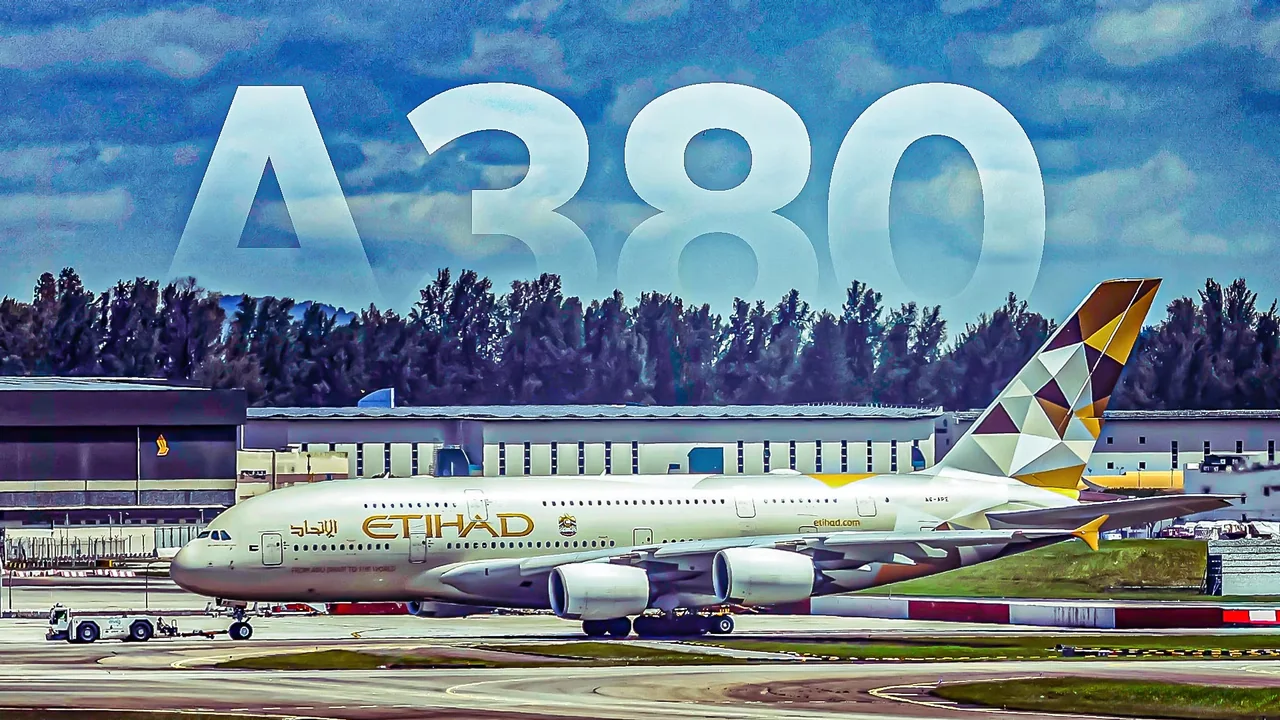
Etihad Airways has made significant changes to its summer schedule, including replacing Airbus A380 flights to Singapore with Boeing 787-9 aircraft. The move reduces capacity on this route by 11%. This change is part of a broader trend among airlines adjusting their services in response to the ongoing conflict in the Middle East region.
The decision to remove the A380 from Singapore and increase capacity to Paris is likely driven by Etihad's desire to optimize its fleet utilization and maximize revenue. By deploying two daily A380s on this route, the airline can take advantage of the aircraft's high passenger density and generate additional revenue streams.
Etihad's shift in focus towards Paris comes as no surprise, given the city's status as a major hub for international business and tourism. The airline's decision to increase capacity on this route is likely aimed at capitalizing on these opportunities and establishing itself as a leading player in the European market.

The reduction in capacity on the Singapore route may have implications for passengers traveling between Abu Dhabi and Singapore, particularly those who rely on Etihad's A380 service. However, it is worth noting that the airline will continue to operate daily flights on this route using its 787-9 aircraft.
Etihad's decision to replace the A380 with the 787-9 on the Singapore route may also be driven by operational considerations. The 787-9 has a more fuel-efficient engine and lower operating costs compared to the A380, which could help Etihad reduce its carbon footprint and improve overall efficiency.
The airline's move to increase capacity on the Paris route is expected to have a positive impact on Etihad's bottom line. By deploying two daily A380s on this route, the airline can generate significant revenue from premium cabin passengers and establish itself as a major player in the European market.

Etihad's decision to adjust its services in response to the ongoing conflict in the Middle East region highlights the airline industry's adaptability in the face of global uncertainty. As airlines continue to navigate complex geopolitical landscapes, they must prioritize flexibility and resilience in order to remain competitive.
The shift in Etihad's flight schedule is just one example of the broader trends shaping the airline industry. As airlines respond to changing market conditions and global events, they must be prepared to adapt their services and operations accordingly.
Etihad's decision to increase capacity on the Paris route demonstrates the airline's commitment to growth and expansion. By investing in its fleet and optimizing its operations, Etihad can establish itself as a leading player in the European market and drive long-term success.

The shift in Etihad's flight schedule highlights the airline industry's adaptability in response to global events.