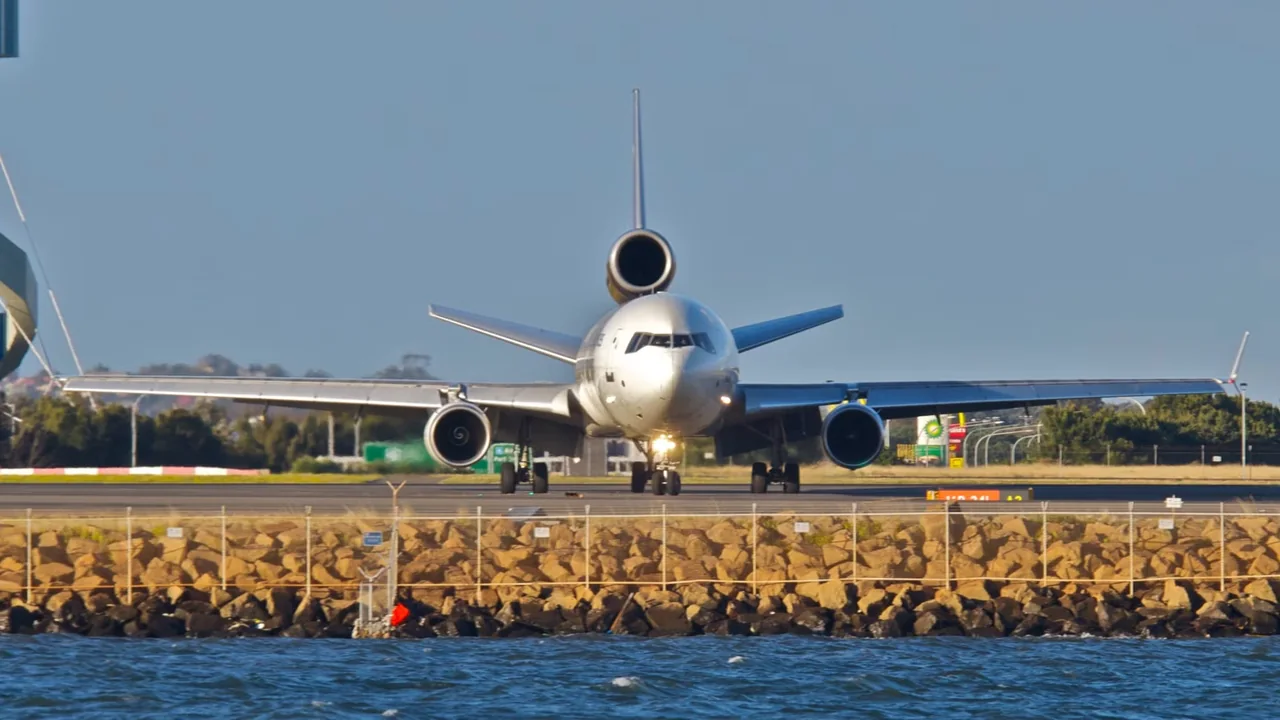
The National Transportation Safety Board (NTSB) has made a significant change to its investigation process, removing dockets from public access online. The move comes after unauthorized recreations of cockpit audio from NTSB files using advances in artificial intelligence. This decision was prompted by the creation of AI-generated audio clips that simulated the sounds and conversation inside the cockpit of UPS flight 2976, which crashed on a fatal occasion.
The NTSB had previously included a visual analysis of the cockpit voice recorders' data from UPS flight 2976, but has since pulled all similar files from public webpages. The board does not release CVR audio for ethical reasons and security concerns that protect the integrity of investigations, as well as out of respect for the accident victims and their loved ones.
The use of AI-generated audio clips has raised serious concerns about the misuse of publicly available information. The NTSB Chairwoman Jennifer Homendy described it as 'deeply troubling' and emphasized the need to prevent such manipulations from spreading on social media platforms like X and Reddit.

Social media posts featuring manipulated audio clips have been circulating, causing offense to victims during a time of tremendous loss. The NTSB has stated that these posts are not only unacceptable but also illegal due to federal law prohibiting public release of CVR audio.
The NTSB aims to restore access to investigation documents soon, while emphasizing the importance of maintaining privacy and security restrictions on sensitive information.
The decision to remove cockpit audio from public access highlights the need for stricter regulations on AI use in aviation investigations. The board's actions demonstrate a commitment to protecting the integrity of investigations and preventing the misuse of sensitive information.

The NTSB's move also underscores the importance of responsible AI development and deployment in various industries, including aviation. The use of AI-generated audio clips raises questions about accountability and the need for oversight mechanisms to prevent such incidents.
The NTSB's actions are a crucial step towards maintaining transparency and accountability in aviation investigations. By removing cockpit audio from public access, the board is taking a proactive approach to preventing the misuse of sensitive information and protecting the integrity of its investigations.
The incident highlights the need for industry-wide awareness and education on AI use and its potential risks. The NTSB's decision serves as a reminder that responsible AI development and deployment are essential for ensuring public safety in various industries.
The NTSB's decision highlights the need for stricter regulations on AI use in aviation investigations.