
In 2026, business class is becoming increasingly complex as airlines upgrade their fleets and product offerings. Qatar Airways' QSuite has long been the industry benchmark for private seating options, but Emirates is now closing the gap with its $5 billion 'Project Phoenix' retrofit program.
The $5 billion investment in Boeing 777s will give Emirates a more direct-aisle-access business class product, similar to what passengers see on A380s. This change may not be immediately noticeable to all passengers, but it could have a significant impact on the overall premium experience.
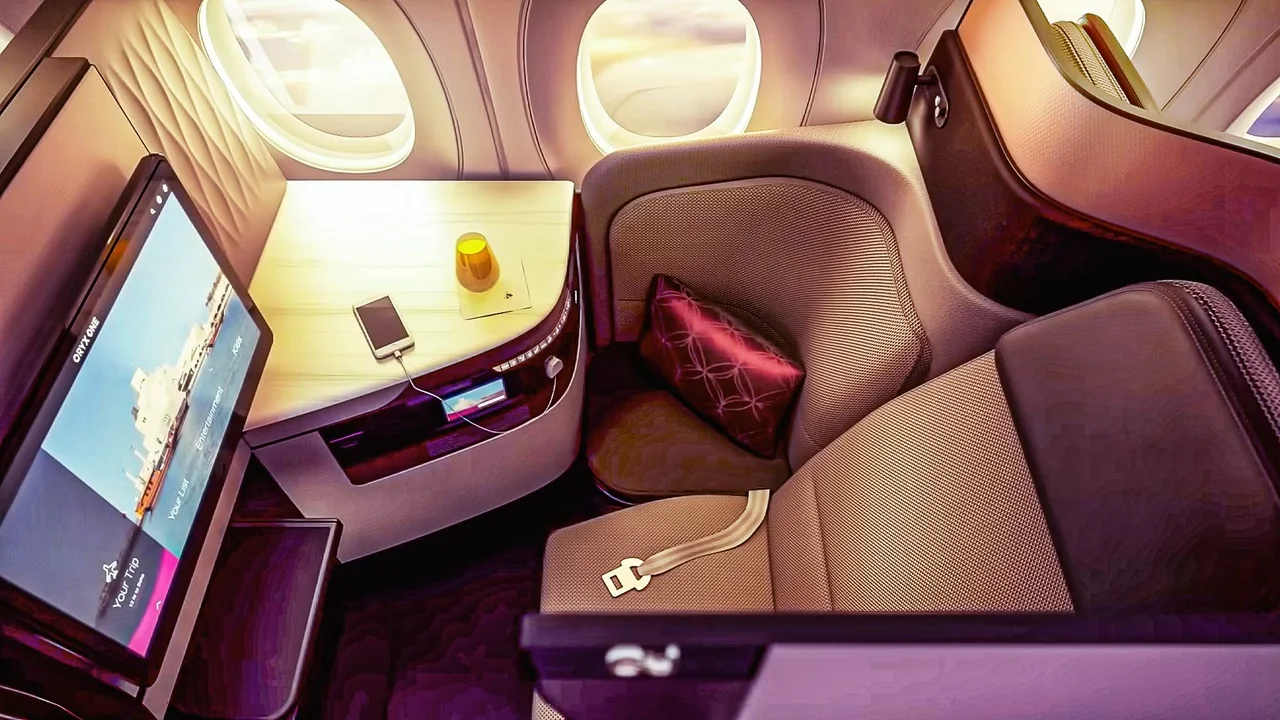
Qatar Airways has built its QSuite around the idea that the best business class seat should feel as private and customizable as possible. The sliding door and digitally controlled dividers are key features of this design philosophy, but the real appeal goes deeper. QSuite is designed for passengers who want to turn the aircraft cabin into a personal space: a place to sleep, work, dine privately, or travel together without feeling exposed to the rest of the cabin.
Emirates has historically taken a different approach to business class luxury. Its premium reputation was built on offering an extensive entertainment library, onboard lounges, and chauffeur-driven cars to the airport. The airline's wider ecosystem has always been powerful, but its older Boeing 777 business class layout was considered one of the weakest points in its long-haul premium offering.
The distinction between Qatar Airways' QSuite and Emirates Business Class matters because passengers have different priorities when it comes to business class travel. A solo traveler may care most about privacy, while a leisure traveler may value the social atmosphere and overall spectacle of the trip.
Qatar's QSuite still leads in terms of private seating options, but Emirates is closing the gap with its direct-aisle-access business class product. This shift towards more standardized premium service may change the way airlines approach business class design and customer expectations.

The key to Emirates' success lies in its ability to turn long-haul travel into an event rather than just a journey. The airline's wider ecosystem, including its A380 upper deck and global lounges, sets it apart from competitors.
As business class changes and upgrades continue to impact passenger expectations, airlines must adapt their strategies to meet the evolving needs of premium travelers.
The direct-aisle-access business class product may be the most important variable in 2026 when it comes to business class. Airlines that can deliver a consistent and high-quality experience across their fleet will be better positioned to attract premium passengers.

The shift towards direct-aisle-access business class products may change the way airlines approach premium service.