
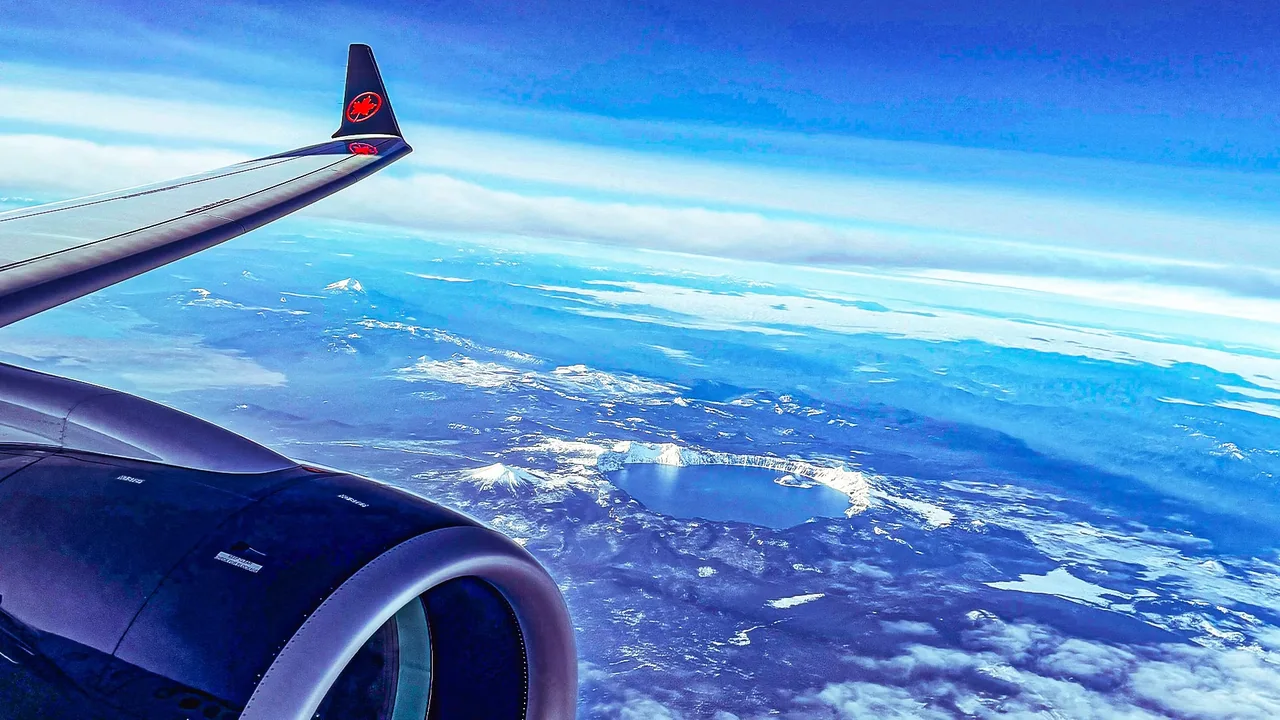
The world of commercial aviation is one of the most heavily regulated industries globally. Every aspect of flight, from navigation procedures to maintenance intervals, is governed by a complex network of international agreements and national regulations. Despite this, a significant contradiction exists in the way airspace is defined and managed. The question of where sovereign airspace ends and outer space begins has never been fully addressed in international law, leaving a significant gap in the regulatory framework.
The absence of a clear definition for the upper boundary of airspace has led to the development of practical boundaries, such as the Kármán Line, which is widely used by engineers and aerospace organizations. However, this line has no binding legal status, and its use can create confusion and uncertainty for airlines and regulatory bodies.
The Kármán Line, positioned at 100 kilometers above sea level, is often cited as a de facto boundary between sovereign airspace and outer space. While it may seem like an arbitrary figure, the line was chosen because aerodynamic flight becomes nearly impossible beyond this altitude. However, its lack of legal status means that it does not provide a clear or definitive answer to the question of where airspace ends.

The United States has further complicated matters by recognizing space as beginning at 50 miles above Earth's surface. This creates a legally ambiguous band between 80 and 100 kilometers, which is not definitively classified as sovereign airspace or outer space. This ambiguity can have significant implications for commercial flights operating in this region.
In practice, the system works remarkably well, with thousands of jet airliners safely navigating the skies without incident. However, the lack of a clear definition for the upper boundary of airspace creates uncertainty and potential risks for airlines and regulatory bodies.
The situation is further complicated by the fact that international aviation law has never fully addressed the issue. The 1944 Chicago Convention established the rules governing global civil aviation, but it did not provide a clear answer to where sovereign airspace ends. This omission still exists today, leaving a significant gap in the regulatory framework.

Despite the lack of clarity, airlines and regulatory bodies have developed practical solutions to manage the ambiguity. However, more work is needed to establish a clear and definitive boundary for the upper limit of airspace. Until then, the situation will remain uncertain and potentially hazardous.
The implications of this uncertainty are significant, particularly for commercial flights operating in busy regions like the North Atlantic or between Europe and Asia. Airlines must navigate complex regulatory frameworks and manage risks associated with ambiguity in airspace definition.
As the aviation industry continues to evolve and expand, it is essential that a clear and definitive boundary for the upper limit of airspace is established. This will help ensure the safety and efficiency of commercial flights, as well as provide clarity for airlines and regulatory bodies.

The lack of a clear legal definition creates uncertainty for airlines and regulatory bodies.