

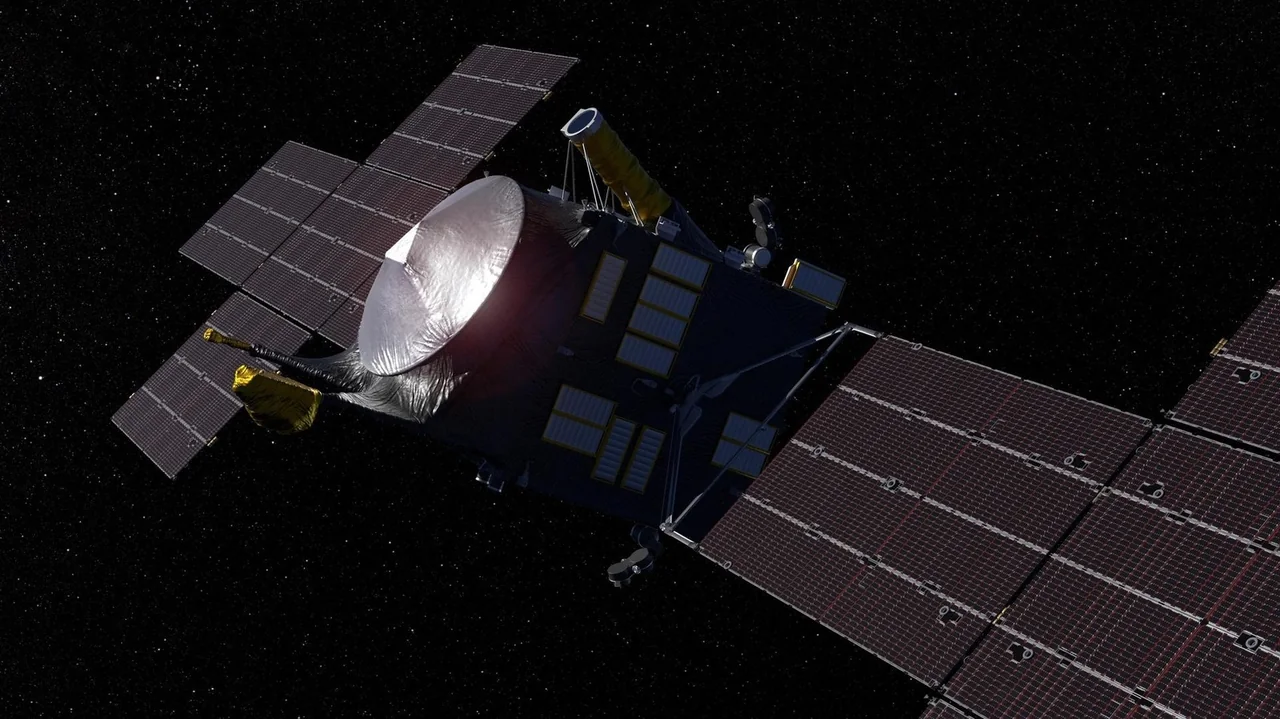
NASA's latest breakthrough in electric thruster technology has the potential to revolutionize space travel by enabling faster and more efficient propulsion systems. The new magnetoplasmadynamic (MPD) thruster, developed at the Jet Propulsion Laboratory (JPL), operates at up to 120 kW of power, which is significantly more than previous models.
This increased power output allows for much faster acceleration and deceleration, making it ideal for deep space missions where fuel efficiency is crucial. The development of electric thrusters also reduces the amount of fuel required, resulting in a lighter spacecraft that can travel farther and longer without refueling.
One of the key benefits of electric thrusters is their ability to operate in the vacuum of space, where there is no atmospheric drag to slow them down. This means that spacecraft equipped with electric thrusters can reach incredible speeds, such as NASA's Psyche spacecraft, which has accelerated to over 12,000 mph.
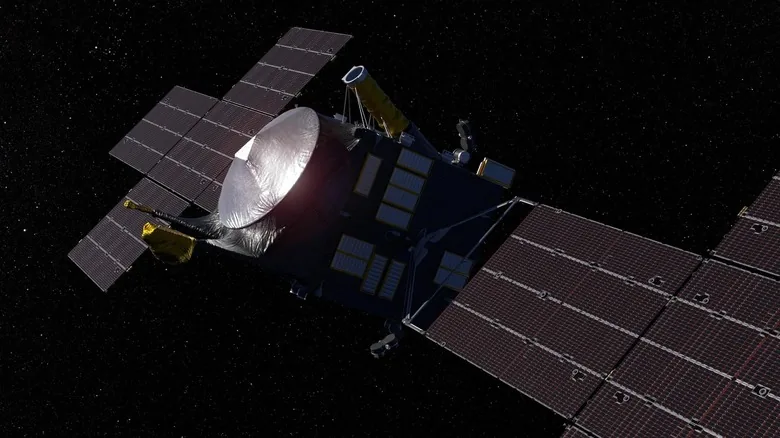
Despite its many advantages, electric thrusters do have limitations. They require a significant amount of electrical energy to operate, which can be generated by solar panels or nuclear reactors. Additionally, the thrust produced by electric thrusters is relatively low compared to traditional chemical rockets.
However, NASA's latest breakthrough in MPD technology has addressed these limitations. The new JPL MPD thruster uses lithium-fed plasma to generate a much higher power output than previous models.
This breakthrough has significant implications for human missions to Mars, where efficient propulsion systems are crucial for long-duration spaceflight. With the development of electric thrusters, NASA is one step closer to making humanity's first manned mission to the Red Planet a reality.
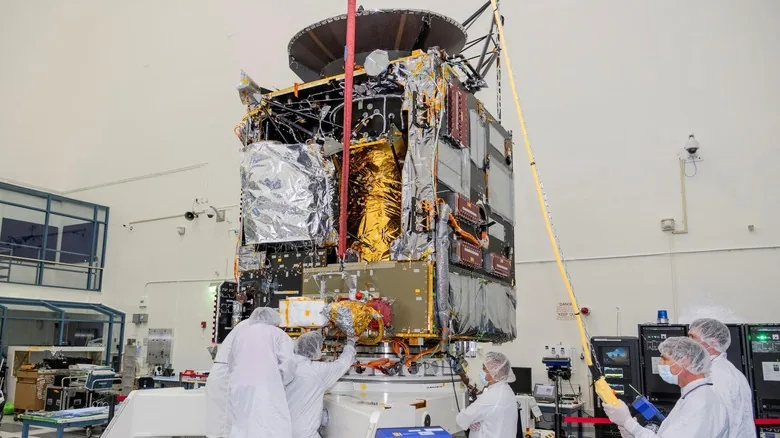
The use of electric thrusters also opens up new possibilities for deep space exploration. With the ability to accelerate spacecraft to incredible speeds, scientists can now explore more of the solar system than ever before.
As researchers continue to develop and refine electric thruster technology, we can expect to see even more significant advancements in space travel in the years to come.
The development of electric thrusters marks a significant step towards making human missions to Mars a reality.