
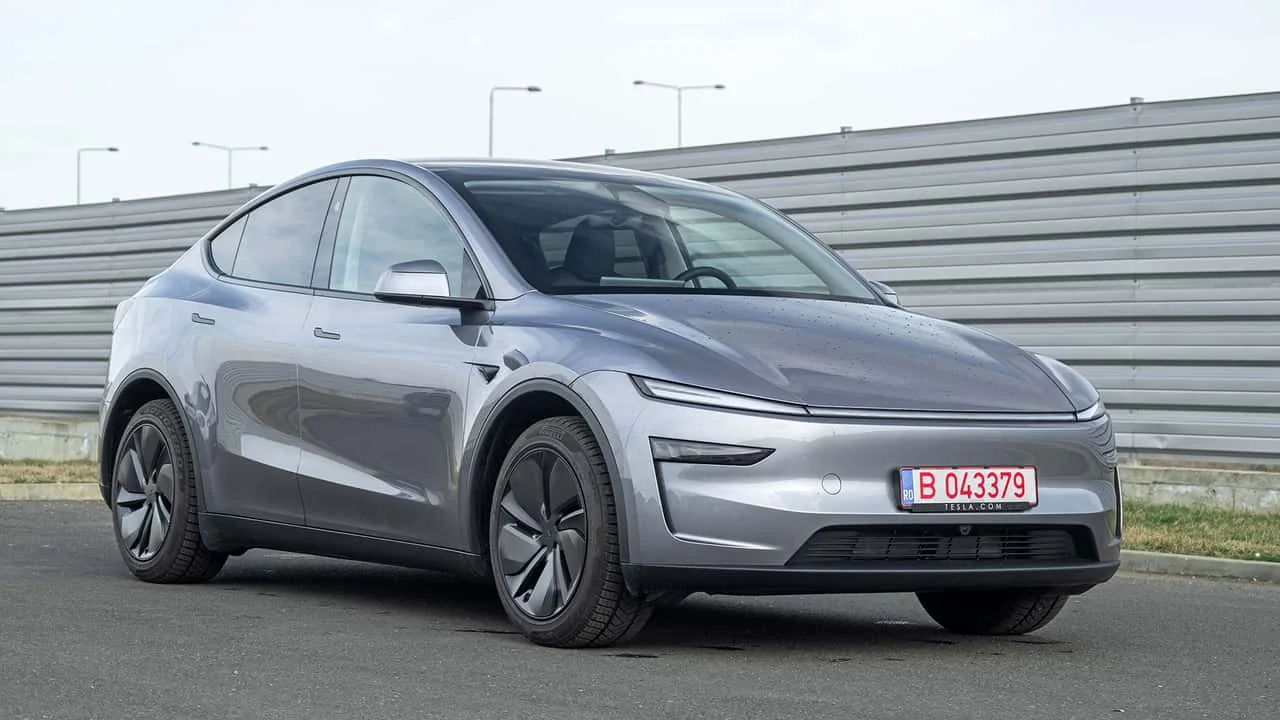
Tesla's European sales have been on a downward trend in recent years, with the company facing stiff competition from established brands and new entrants. However, after a brutal 2025, Tesla's European sales are showing signs of recovery. The data suggests that the company is regaining its footing in the region.
The comeback story has one Chinese caveat, however - a significant amount of investment from Chinese companies has been pouring into European electric vehicle manufacturers. This influx of capital has helped to boost production and improve competitiveness in the market.
Tesla's European sales are now growing again, with the company reporting a 10% increase in revenue compared to the previous quarter. This growth is attributed to a combination of factors, including the expansion of its Supercharger network and the introduction of new models such as the Model Y.
Despite the growth, Tesla still faces significant challenges in Europe. The region's highly regulated market and complex bureaucracy have made it difficult for foreign companies to establish themselves. However, Tesla has been working closely with European regulators to address these issues and ensure compliance with local laws.
Tesla's European sales are not just driven by its own products, but also by the growing demand for electric vehicles in the region. As more consumers become aware of the benefits of EVs, such as reduced emissions and lower operating costs, sales are expected to continue growing. This trend is expected to be driven by government incentives and investments in infrastructure.
The Chinese influence on Tesla's European operations is also worth noting. The company has been working closely with Chinese investors and partners to expand its presence in the region. This partnership has helped to boost production and improve competitiveness, but it has also raised concerns about the potential for cultural and regulatory differences to impact the business.
Tesla's comeback story in Europe is a significant development in the global electric vehicle market. As more companies enter the market, competition is expected to increase, driving innovation and reducing prices. This could make EVs more accessible to consumers worldwide.
However, the growth of Tesla's European sales also raises questions about the company's long-term strategy. Will the company continue to focus on its core business in North America, or will it expand further into new markets? Only time will tell, but one thing is certain - Tesla's resurgence in Europe has significant implications for the global EV market.
As the electric vehicle market continues to evolve, companies like Tesla are playing a critical role. Their success will depend on their ability to adapt to changing consumer needs and regulatory requirements. With its European comeback story, Tesla is demonstrating its resilience and commitment to the region.