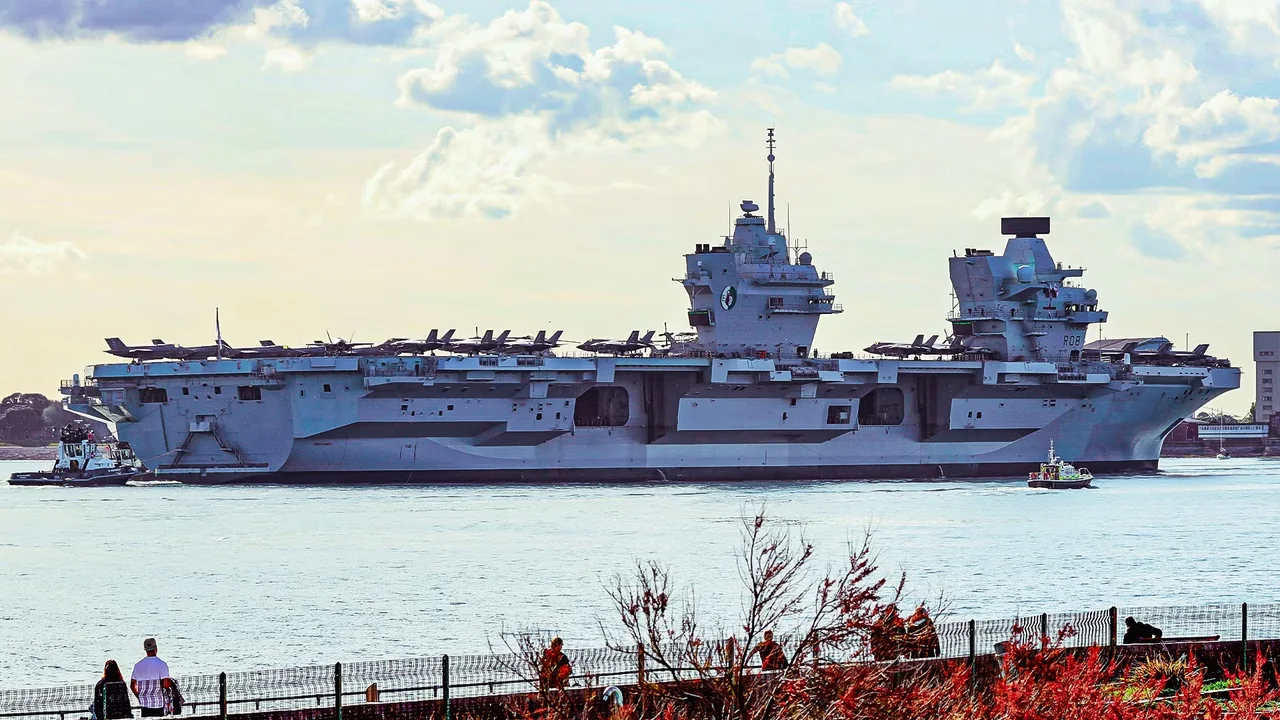
The UK's F-35 operations are governed by the Joint Combat Air Task Force, which pools resources from both the Royal Air Force and the Royal Navy's Fleet Air Arm. This joint pool approach means that the RAF frequently draws aircraft for land-based operations, such as deployments to Cyprus, reducing the number available for carrier strike groups.
To address budget cuts, the RAF has secured a planned purchase of 12 conventional take-off F-35A variants, out of a total of 75 planned aircraft by 2033. However, only 63 will be carrier-capable, divided among several squadrons.
The UK's concerns over US foreign policy and digital sovereignty have led to increased scrutiny of the 'America First' approach. This has resulted in flashpoints over issues like the potential for a US 'kill switch' that could cripple allied fleets.

In response, the UK is exploring alternative options, such as the BAE Tempest program, which guarantees 100% sovereign control over software and upgrades. The UK is also investing in extending the life of its Eurofighter Typhoon fleet.
The delays in rolling out Lockheed Martin's Technology Refresh Three software upgrades have pushed the integration of crucial British weapons into the 2030s. This has significant implications for the F-35's full capability, particularly with regards to the Meteor missile and advanced electronic warfare suites.
The TR-3 package is now expected to be delayed until at least 2031, due to delays with both Skunk Works and Pratt & Whitney. This further exacerbates concerns over the UK's reliance on US technology.

A severe human resource shortage is also affecting the F-35 fleet, with a UK Defense Committee investigation revealing an extreme shortage of trained pilots relative to the size of the fleet.
The National Audit Office reports have highlighted the need for increased investment in pilot training and maintenance to ensure the long-term viability of the F-35 program.
The UK's dependence on US technology raises questions about its long-term defense strategy.