
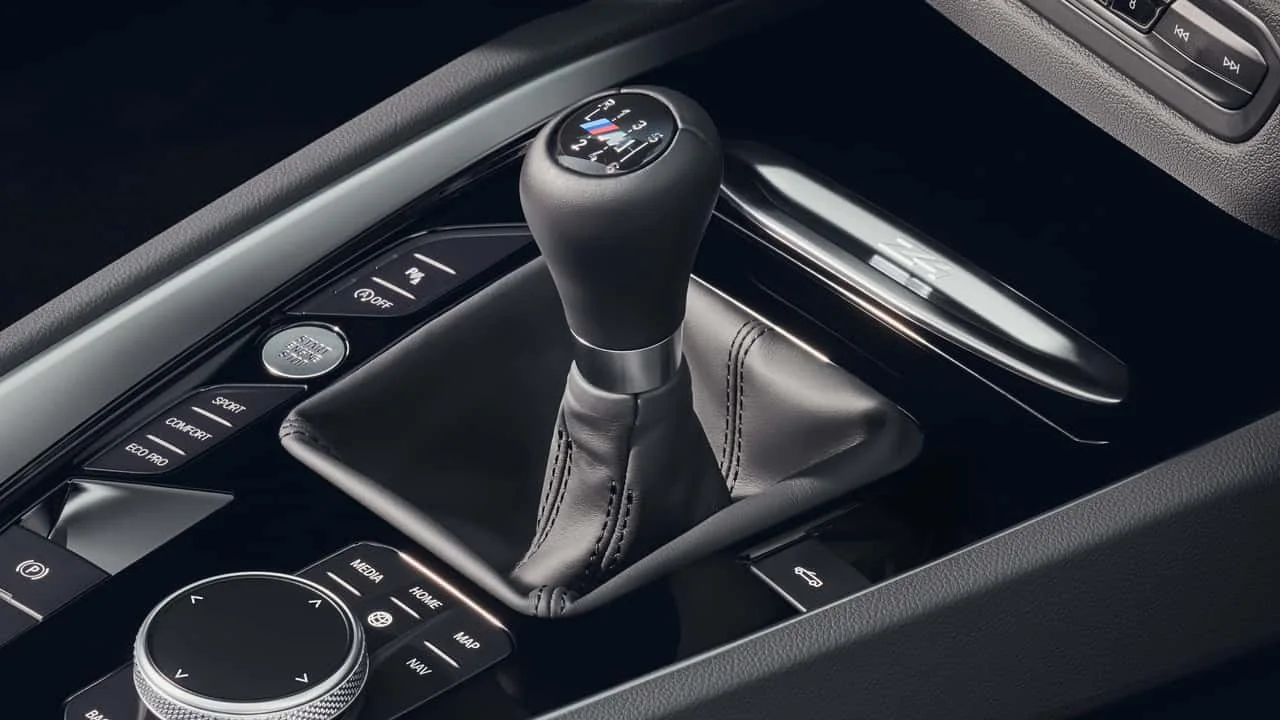
The manual transmission has been a staple of driving for decades, but its relevance is being called into question by the head of BMW M. Frank van Meel, the chief executive of the high-performance division, has stated that the manual doesn't really make sense in today's cars. This sentiment is not unique to BMW, as many manufacturers are now offering automatic transmissions as standard or optional on their models. The shift towards automation is driven by a desire for convenience and efficiency, but it also raises questions about the role of driver engagement and skill in modern vehicles.
The manual transmission requires a level of driver involvement that is becoming increasingly rare in modern cars. With the rise of advanced driver assistance systems (ADAS) and semi-autonomous driving technologies, many drivers are no longer required to actively participate in steering or gear shifting. This trend towards automation has significant implications for the automotive industry, as it could lead to a decline in driving skills and a loss of connection between driver and vehicle.
Frank van Meel's comments on the manual transmission come at a time when the automotive industry is already experiencing significant changes. The rise of electric vehicles (EVs) is another major trend that is challenging traditional notions of performance and driving experience. As EVs become more widespread, manufacturers are being forced to rethink their approach to powertrains and transmissions, with some opting for advanced automatic systems and others exploring the potential of manual transmissions in hybrid or plug-in models.
The decline of the manual transmission is also driven by changing consumer preferences. Many young drivers today are not interested in learning how to drive a manual car, preferring instead the convenience and ease of use offered by automatic transmissions. This shift in demand has significant implications for the automotive industry, as manufacturers must now balance their desire to offer high-performance models with the need to cater to a broader range of customer preferences.
Despite these challenges, there are still many enthusiasts who swear by the manual transmission. These drivers value the connection and engagement that comes from driving a manual car, and they are willing to put in the time and effort required to master this skill. However, for many others, the manual transmission is seen as a relic of the past, a reminder of a bygone era when driving was a more hands-on and engaging experience.
The future of the manual transmission is uncertain, but one thing is clear: it will not be around forever. As manufacturers continue to prioritize convenience and efficiency, the role of driver engagement and skill in modern vehicles is becoming increasingly marginalized. This trend has significant implications for the automotive industry, as it could lead to a decline in driving skills and a loss of connection between driver and vehicle.
The shift towards automation also raises questions about the role of human drivers in modern transportation. As ADAS and semi-autonomous driving technologies become more widespread, many drivers are being forced to adapt to new systems and interfaces that prioritize efficiency and convenience over traditional notions of driving experience. This trend has significant implications for the future of mobility, as it could lead to a decline in human interaction and connection on the road.
The manual transmission is not just a relic of the past; it also represents a lost art form. The skill and technique required to master a manual transmission are highly prized among driving enthusiasts, who see it as a key part of the driving experience. However, for many others, the manual transmission is seen as a unnecessary complication that adds complexity and expense to modern vehicles.
As the automotive industry continues to evolve, one thing is clear: the future of the manual transmission is uncertain. While there are still many enthusiasts who swear by this skill, the trend towards automation and convenience is likely to continue unabated. The implications for the industry will be significant, as manufacturers must now balance their desire to offer high-performance models with the need to cater to a broader range of customer preferences.
The manual transmission may not be around forever, but its legacy lives on in the hearts and minds of driving enthusiasts. For many, the skill and technique required to master this transmission are highly prized, representing a connection to the past that is rapidly disappearing from modern vehicles. As the automotive industry continues to evolve, it will be interesting to see how manufacturers choose to balance their desire for innovation with their need to cater to traditionalists who still value the manual transmission.
In conclusion, the future of the manual transmission is uncertain, driven by a combination of changing consumer preferences and technological advancements. While there are still many enthusiasts who swear by this skill, the trend towards automation and convenience is likely to continue unabated, with significant implications for the automotive industry.
The decline of the manual transmission also raises questions about the role of driving in modern society. As ADAS and semi-autonomous driving technologies become more widespread, many drivers are being forced to adapt to new systems and interfaces that prioritize efficiency and convenience over traditional notions of driving experience. This trend has significant implications for the future of mobility, as it could lead to a decline in human interaction and connection on the road.
In the end, the manual transmission represents a lost art form, one that requires skill and technique to master. While its legacy lives on in the hearts and minds of driving enthusiasts, its practicality is becoming increasingly marginalized by the trend towards automation and convenience.
The shift towards automation also raises questions about the role of driver engagement in modern vehicles. As ADAS and semi-autonomous driving technologies become more widespread, many drivers are being forced to adapt to new systems and interfaces that prioritize efficiency and convenience over traditional notions of driving experience. This trend has significant implications for the future of mobility, as it could lead to a decline in human interaction and connection on the road.
The manual transmission may not be around forever, but its impact on the automotive industry will be felt for years to come. As manufacturers continue to prioritize convenience and efficiency, the role of driver engagement and skill in modern vehicles is becoming increasingly marginalized. This trend has significant implications for the future of mobility, as it could lead to a decline in human interaction and connection on the road.
The manual transmission represents a lost art form, one that requires skill and technique to master. While its legacy lives on in the hearts and minds of driving enthusiasts, its practicality is becoming increasingly marginalized by the trend towards automation and convenience.
The future of the manual transmission is uncertain, driven by a combination of changing consumer preferences and technological advancements. As manufacturers continue to prioritize convenience and efficiency, the role of driver engagement and skill in modern vehicles is becoming increasingly marginalized.
The decline of the manual transmission also raises questions about the role of driving in modern society. As ADAS and semi-autonomous driving technologies become more widespread, many drivers are being forced to adapt to new systems and interfaces that prioritize efficiency and convenience over traditional notions of driving experience.
As the automotive industry continues to shift towards automatic transmissions and advanced driver assistance systems, the future of manual transmissions is becoming increasingly uncertain.