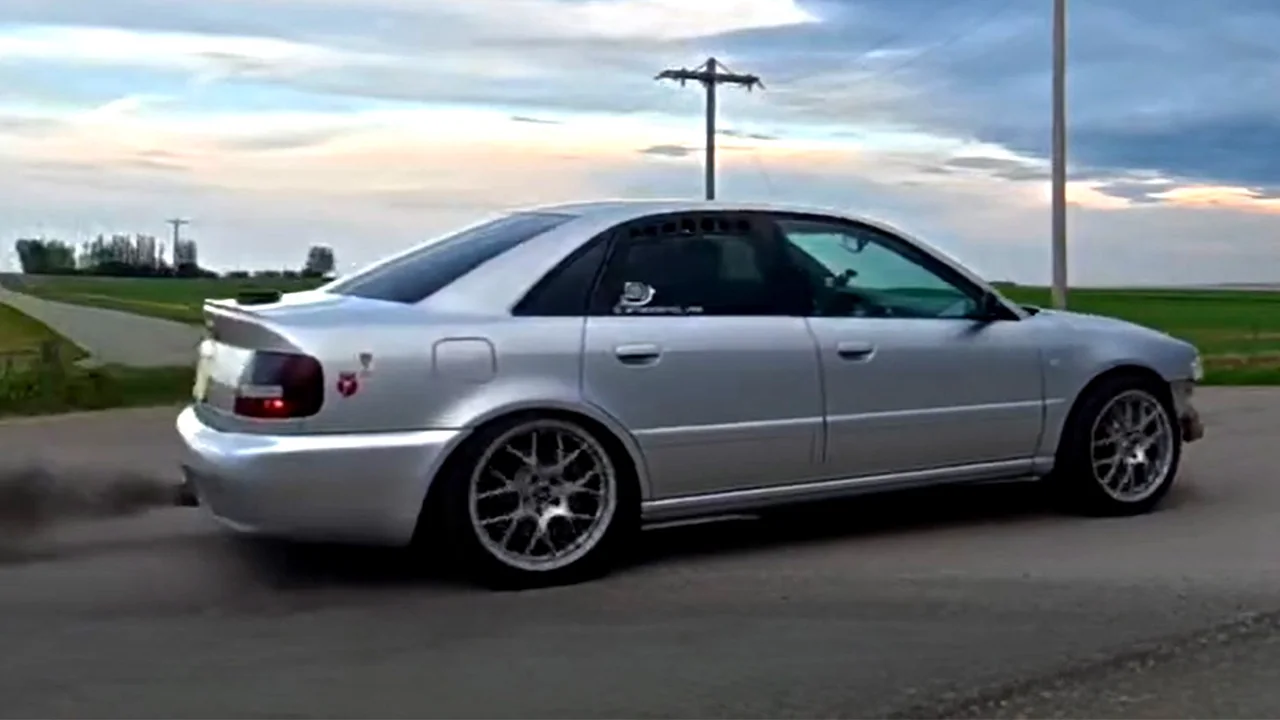
Audi A4's Jet-Boosted VR6 Powers Through Turbo Lag with Turbine Audi A4 B5 has been modified to feature a VR6 swap and an aircraft-derived turbine boost system. Kelby Krahn's latest test exposed the drivetrain's weak point under massive power. The project continues proving the boost system isn't the part struggling to survive.
The project's unconventional nature is not surprising, given its goal of eliminating turbo lag altogether. Turbochargers use exhaust gas to spin up a compressor that feeds compressed air into the engine. In contrast, the turbine simply builds boost that Krahn then feeds into the VR6 itself. This approach allows for boost regardless of the engine's state.
The turbine weighs 320 pounds and produces 60 horsepower, but provides 1500 horsepower worth of air pressure. This results in a throttle that is too small, even with the valve open all the way. The charge pipe maintains 12 psi, making turbo lag a thing of the past.
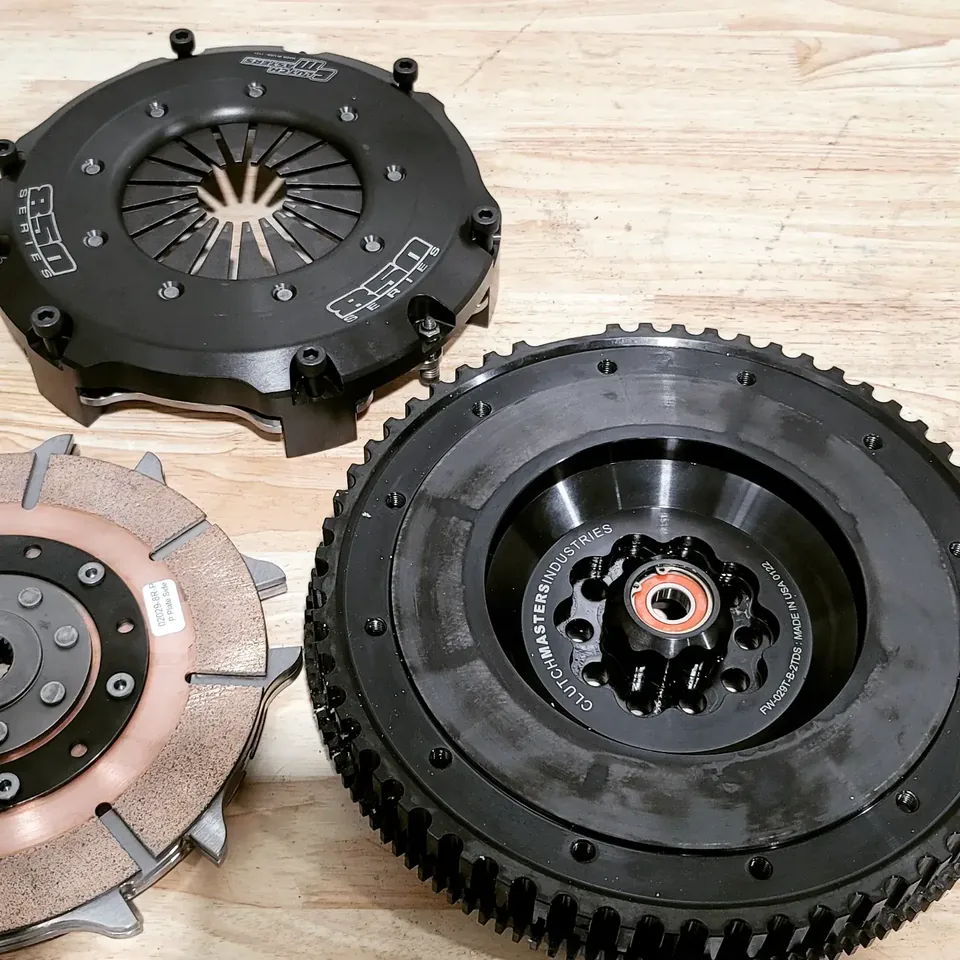
Despite the turbine's success, the rest of the Audi has been forced to endure levels of stress that its original engineers never imagined. Most recently, Krahn snapped an axle. Before that, it was a subframe bolt that ripped itself out of the frame. Second gear also decided it was done.
The real challenge isn't the jet; it's keeping the rest of the car alive. Projects like this often fail due to inadequate engineering and fabrication. The VR6 swap requires significant expertise and resources. Keeping the rest of the car running smoothly is a daunting task.
In conclusion, Kelby Krahn's Audi A4 project showcases the potential for innovative power solutions in automotive engineering. The success of this project highlights the need for careful planning and execution. It also underscores the importance of considering the entire vehicle's stress points when designing such projects.
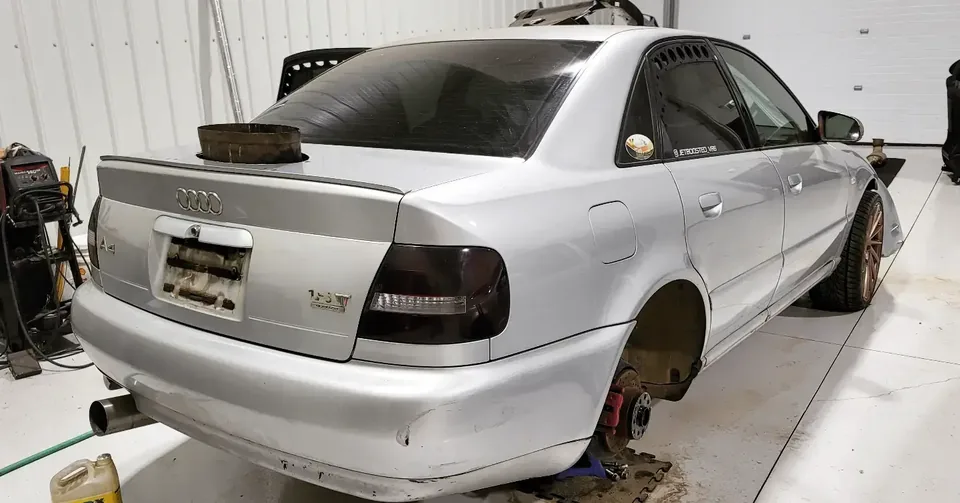
The success of this project showcases the potential for unconventional power solutions in automotive engineering.