
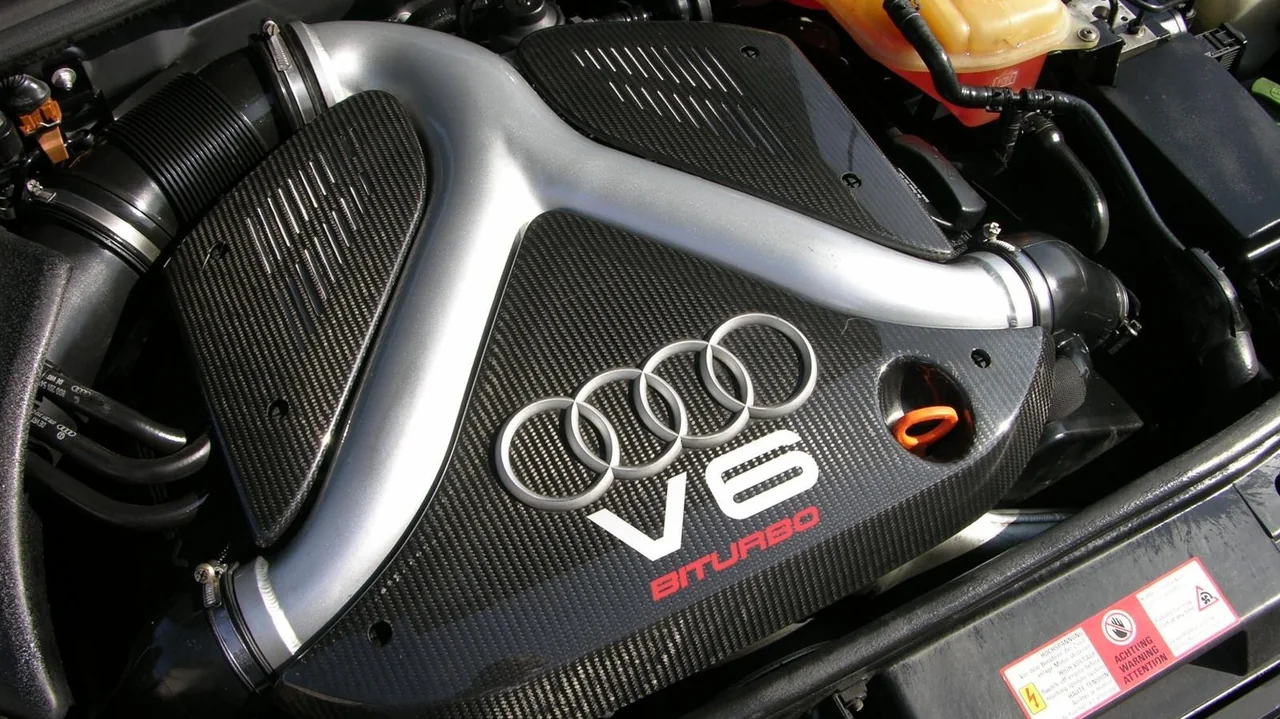
Modern turbo cars are getting quieter, smoother and more efficient, making them less distinguishable by the 'turbo' designation. This shift in design prioritizes reduced noise over traditional loud noises.
The problem is that most modern factory setups vent boosted air into the atmosphere in a much more subdued manner than their predecessors. Modern blow-off valves recirculate the vented air back into the intake instead of shooting it out for maximum theatrics, resulting in a quieter driving experience. However, this design change also means that the distinctive 'whoosh' sound associated with turbocharged cars is largely absent.
The reduction of noise and vibration in new cars is driven by rising federal and state regulations. As a result, manufacturers are designing intake tracts to smooth and hush airflow, further reducing the audible characteristics of turbocharged engines. This approach prioritizes comfort and regulatory compliance over traditional driving dynamics.
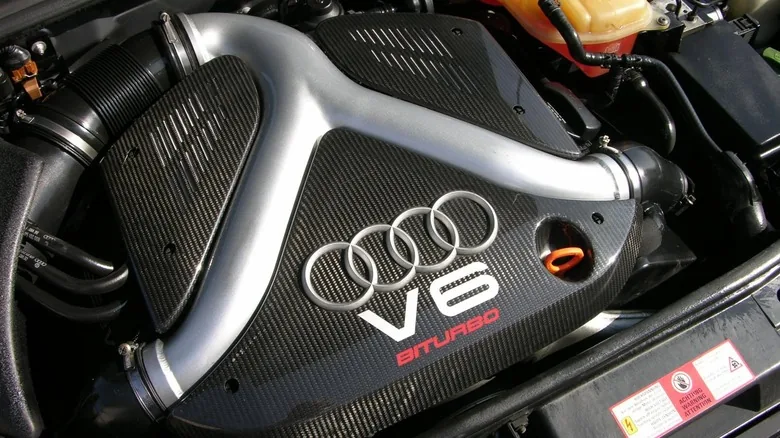
Fake turbo noises have become increasingly common as manufacturers attempt to recreate the nostalgic sound of older cars. These fake noises are typically produced by a speaker imitating the sound of a blow-off valve, aiming to restore a feeling that drivers miss in modern turbocharged vehicles.
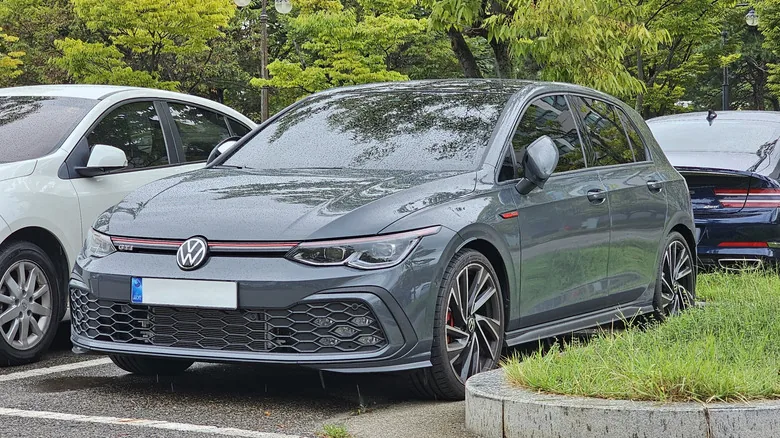
Porsche's Sound symposer is a notable example of this trend, where a 'sound symposer' pipes intake noise into the cabin using a valve and tuned resonator setup at specific RPM ranges. Volkswagen's Soundaktor is another infamous example, found in models like the Golf R and GTI, which can be disabled by disconnecting specific fuses.
The use of fake turbo noises highlights the tension between modern design priorities and enthusiast expectations. While quieter cars may offer improved comfort and regulatory compliance, they often lack the authenticity and character that enthusiasts crave.
Despite the trend towards quieter cars, turbos themselves are not going away just yet. Many drivers still appreciate the unique sound and performance characteristics of turbocharged engines, even if it means tolerating some noise and vibration.
The disappearance of the 'turbo whoosh' from new cars may be seen as a loss for enthusiasts, but it also reflects the evolving priorities of modern car design. As manufacturers continue to prioritize comfort and regulatory compliance, the sound of their vehicles will likely become increasingly subdued.
The reduction in turbo noise has significant implications for the automotive industry, particularly in terms of how manufacturers approach sound design and engineering. By prioritizing quietness over traditional driving dynamics, manufacturers risk alienating enthusiasts who value authenticity and character in their vehicles.
As the automotive landscape continues to evolve, it will be interesting to see how manufacturers balance competing priorities and meet the demands of both regulators and enthusiasts.
The trend towards quieter cars may lead to a loss of authenticity for some enthusiasts.