

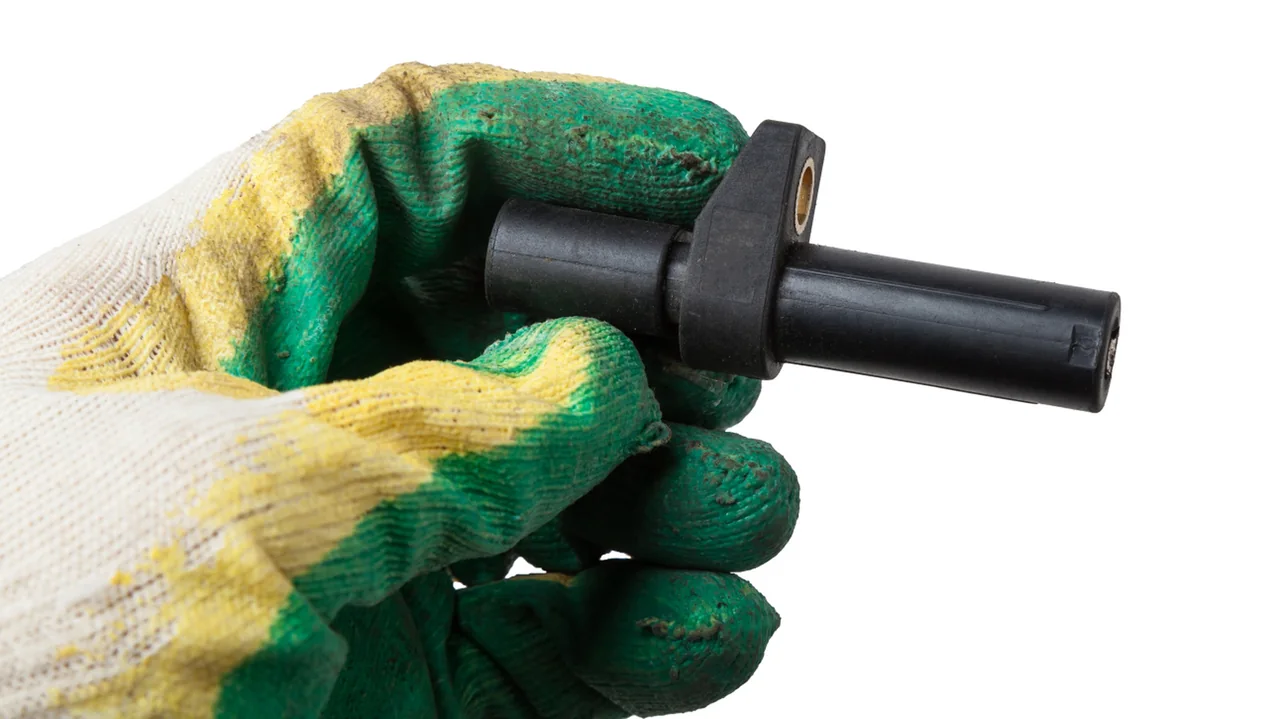
The crankshaft and camshaft sensors play a crucial role in an engine's operation, enabling the ECU to optimize ignition timing and fuel injection. The crankshaft position sensor measures rotational speed, while the camshaft position sensor monitors valve timing and piston movement.
A bad crankshaft or camshaft sensor can cause misfires, poor acceleration, and stalling, making it difficult for drivers to diagnose the issue. In some cases, a faulty sensor may also damage other engine parts if left ignored.
The lifespan of crankshaft and camshaft sensors varies depending on driving conditions and maintenance. While their average lifespan is 100,000 to 150,000 miles, severe driving conditions can lead to premature sensor failures.
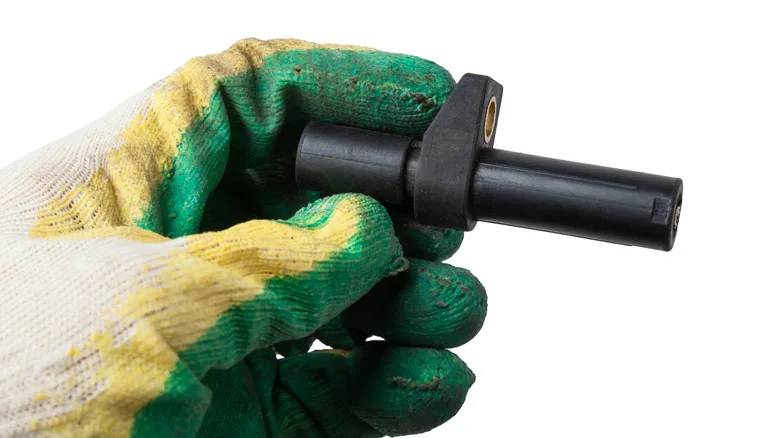
Regular maintenance, such as checking fluid levels and replacing air filters, can help extend the lifespan of these sensors. Additionally, monitoring for symptoms like misfires and poor acceleration can help drivers identify potential issues early on.
When a crankshaft or camshaft sensor fails, it's essential to use an OBD-II scan tool to retrieve fault codes and diagnose the problem. In most cases, bad sensors will display specific error codes, such as P0335 for crankshaft position sensors and P0340 for camshaft position sensors.
Replacing a faulty crankshaft or camshaft sensor can be relatively inexpensive, with prices ranging from $100 to $300 depending on the engine type and vehicle make. However, if left unchecked, faulty sensors can lead to costly repairs and even engine failure.
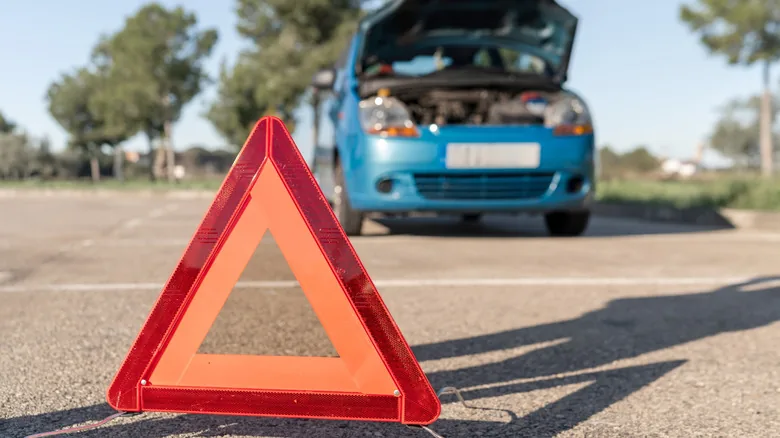
In some cases, mechanics may need to rule out other potential causes of symptoms before diagnosing a bad crankshaft or camshaft sensor. This includes checking wiring and connectors for damage or wear.
To avoid the consequences of bad crankshaft and camshaft sensors, it's essential to stay on top of regular maintenance and address any issues promptly. By doing so, drivers can help prevent costly repairs and ensure their engine runs smoothly and efficiently.
A faulty crankshaft or camshaft sensor can lead to costly repairs if left unchecked.