

The Supreme Court delivered a major blow to President Donald Trump's economic policies on Friday, ruling that he exceeded his authority when imposing sweeping tariffs using a law reserved for a national emergency. The justices, divided 6-3, held that Trump's aggressive approach to tariffs on products entering the United States from across the world was not permitted under the International Emergency Economic Powers Act (IEEPA). This decision invalidates many, but not all, of Trump's tariffs.
The ruling is a significant victory for businesses and trade organizations, as it clarifies that the president does not have independent power to impose tariffs on imports from any country, of any product, at any rate, for any amount of time. The decision also underscores the importance of congressional oversight in trade policy, highlighting the need for careful consideration of the implications of unilateral executive action.
The majority opinion, written by Chief Justice Roberts, focused on the second provision of IEEPA, determining that 'regulate' and 'importation' do not grant the President 'independent power to impose tariffs.' The opinion noted that IEEPA contains no references to tariffs or duties, and no President has ever read it to grant such power. This decision reshapes the balance of power between the president and Congress over trade and emergency powers.
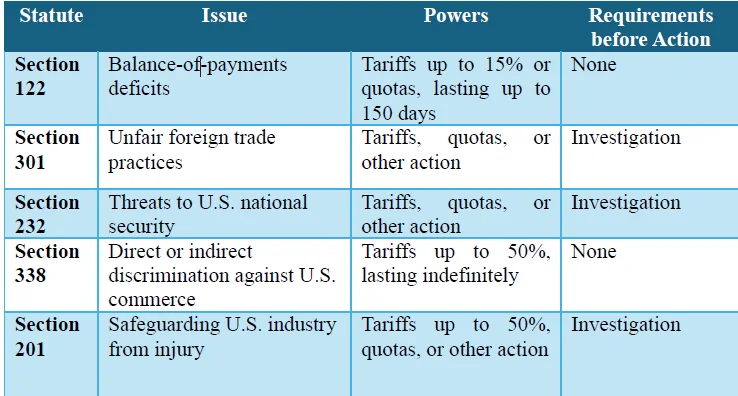
The President's ability to impose tariffs using other laws is not affected by the ruling, and Trump said he plans to use those authorities to impose new duties on a global basis. However, this may limit his ability to implement tariffs without congressional approval in the future. The decision also highlights the need for careful consideration of the implications of unilateral executive action in trade policy.
The impact of this decision will be felt across various industries, including manufacturing, agriculture, and services. Businesses that had to pay the tariffs and challenged them in court expressed relief at the ruling, citing the arbitrary and unpredictable nature of the tariffs. The decision also underscores the importance of transparency and accountability in trade policy.
Despite Trump's rhetoric about the tariffs benefiting the economy, stocks rallied on news of the ruling. This suggests that investors are optimistic about the potential long-term benefits of a more balanced approach to trade policy. However, it remains to be seen how this decision will play out in terms of its impact on the global economy.
The Supreme Court's decision is a rare setback for the administration at the Supreme Court, which has a 6-3 conservative majority since Trump began his second term in January. This ruling highlights the importance of judicial review in checking executive power and ensuring that laws are enforced in accordance with the Constitution.
Business owners who had to pay the tariffs and challenged them in court expressed relief at the ruling, citing the unconstitutional nature of the tariffs. These businesses will likely benefit from the decision, but it is unclear how they will adapt to the new trade landscape. The decision also raises questions about the potential for future disputes over tariffs and trade policy.
The decision does not affect all of Trump's tariffs, leaving in place ones he imposed on steel and aluminum using different laws. However, it upends his tariffs in two categories: country-by-country or 'reciprocal' tariffs, which range from 34% for China to a 10% baseline for the rest of the world, and a 25% tariff on some goods from Canada, China, and Mexico.
The ruling is a significant development in the ongoing debate over trade policy and executive power. As the administration continues to navigate the implications of this decision, it will be important to monitor how it plays out in terms of its impact on the global economy and trade relationships with other countries.
The decision reshapes the balance of power between the president and Congress over trade and emergency powers, clarifying that a president may not unilaterally determine tariff policy to this extent under this law.