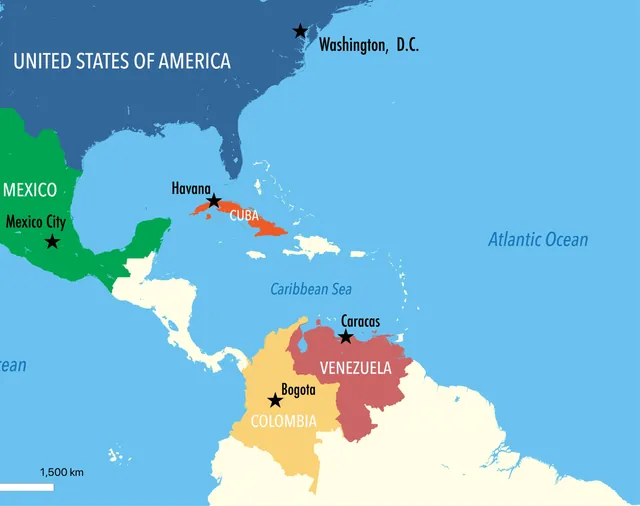

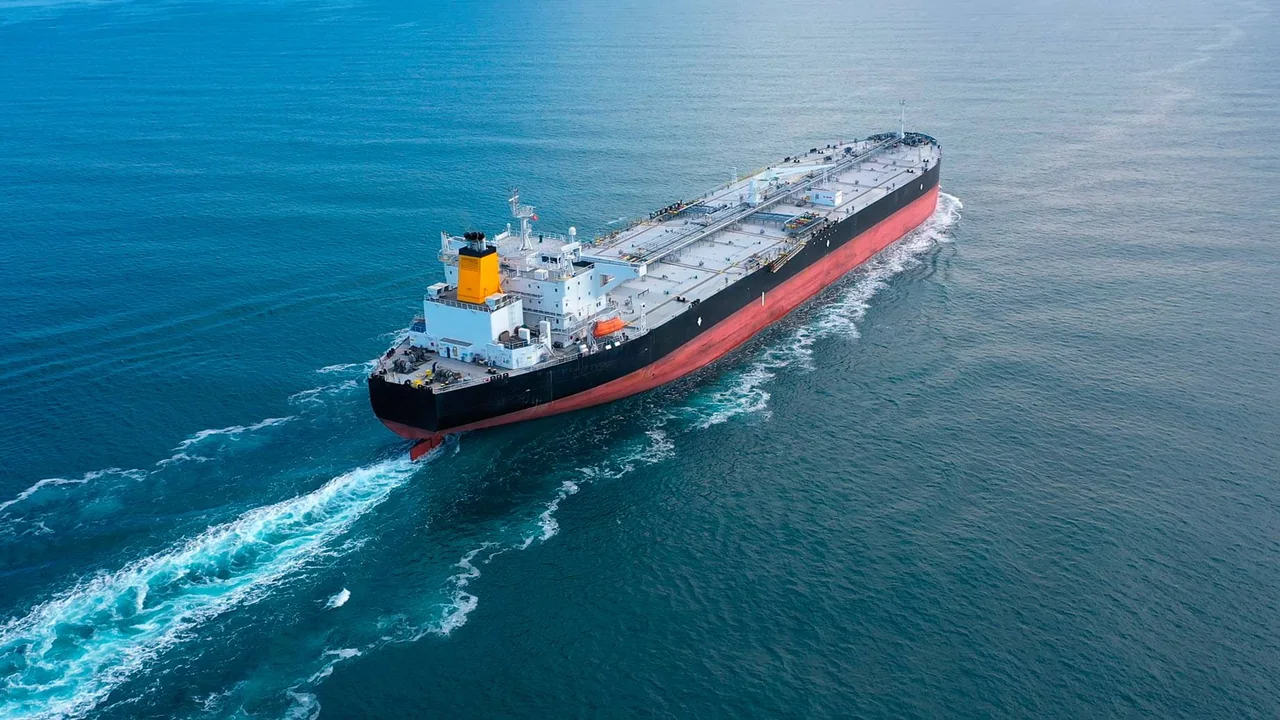
A Hong Kong-flagged tanker carrying fuel likely bound for Cuba has halted navigation in the Atlantic Ocean, ship tracking data showed on Wednesday, a blow for the oil-thirsty Caribbean nation. The tanker Sea Horse loaded through a ship-to-ship transfer in the Mediterranean before departing towards the Caribbean Sea, according to monitoring service TankerTrackers.com. The vessel had been expected to arrive in Cuban waters later this week, according to its speed and trajectory.
The halt in navigation raises concerns about the impact on Cuba's energy crisis, which has worsened since Washington took control of Venezuela's oil exports in early January. With no new shipments arriving, the island is struggling to keep the lights on and cars circulating. The situation highlights the complex web of relationships between Venezuela, Cuba, and the US, with each country exerting significant influence over the other's energy supplies.
The U.S. Treasury Department said on Wednesday it would authorize companies seeking licenses to resell Venezuelan oil to Cuba, a move that could help ease the island's acute fuel scarcity. This decision comes as part of an effort to pressure Venezuela's allies to pay fair market prices for cargoes, including China and Cuba. The US has taken control of Venezuela's oil exports since January, and this new policy aims to ensure that these exports are sold at a price that benefits the Cuban people.
Venezuela had been the main supplier of crude and fuel to its political ally Cuba through a bilateral pact mostly based on barter of products and services. However, with US pressure, Venezuela's supply to Cuba has ceased, worsening an energy crisis in the communist-run country. The crisis is hitting power generation and fuel for vehicles, houses, and aviation, leaving many Cubans without access to basic necessities.
Large trading houses including Vitol and Trafigura handle the lion's share of Venezuela's oil exports, with millions of barrels exported to the US, Europe, and India, and millions of additional barrels stored at Caribbean terminals for resale. These companies have been critical in navigating the complex web of relationships between Venezuela, Cuba, and the US, but their efforts may be hindered by the new policy.
The U.S. President has said that Venezuela's allies must now pay fair market prices for cargoes, including China and Cuba. This decision is part of a broader effort to pressure these countries to comply with international sanctions and ensure that they do not benefit from Venezuela's oil exports at below-market rates.
Even with the new policy, it is not clear whether Cuba can afford oil purchases without favorable terms. The US Treasury's guidance makes clear that potential transactions must support the Cuban people, including the private sector, while transactions involving or benefiting the Cuban military or other government institutions would not be covered.
The U.S. Bureau of Industry and Security had previously released guidance saying that exports and re-exports of US gas and petroleum products to eligible Cuban private sector entities would be authorized. However, this new policy takes a more nuanced approach, requiring companies to demonstrate that their transactions support the Cuban people and align with US foreign policy objectives.
The halt in navigation and the new policy raise questions about the future of energy supplies to Cuba. With the US exerting significant pressure on Venezuela's oil exports, it remains to be seen whether Cuba can maintain its access to fuel without facing significant challenges.