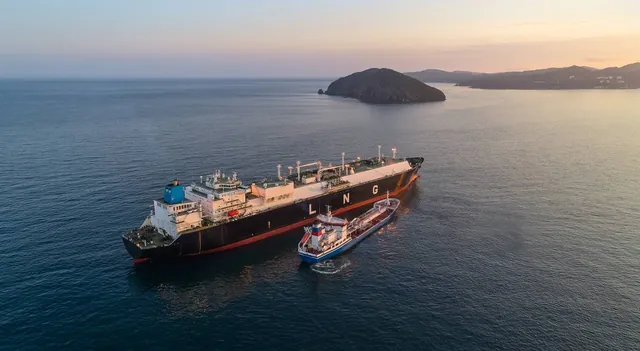
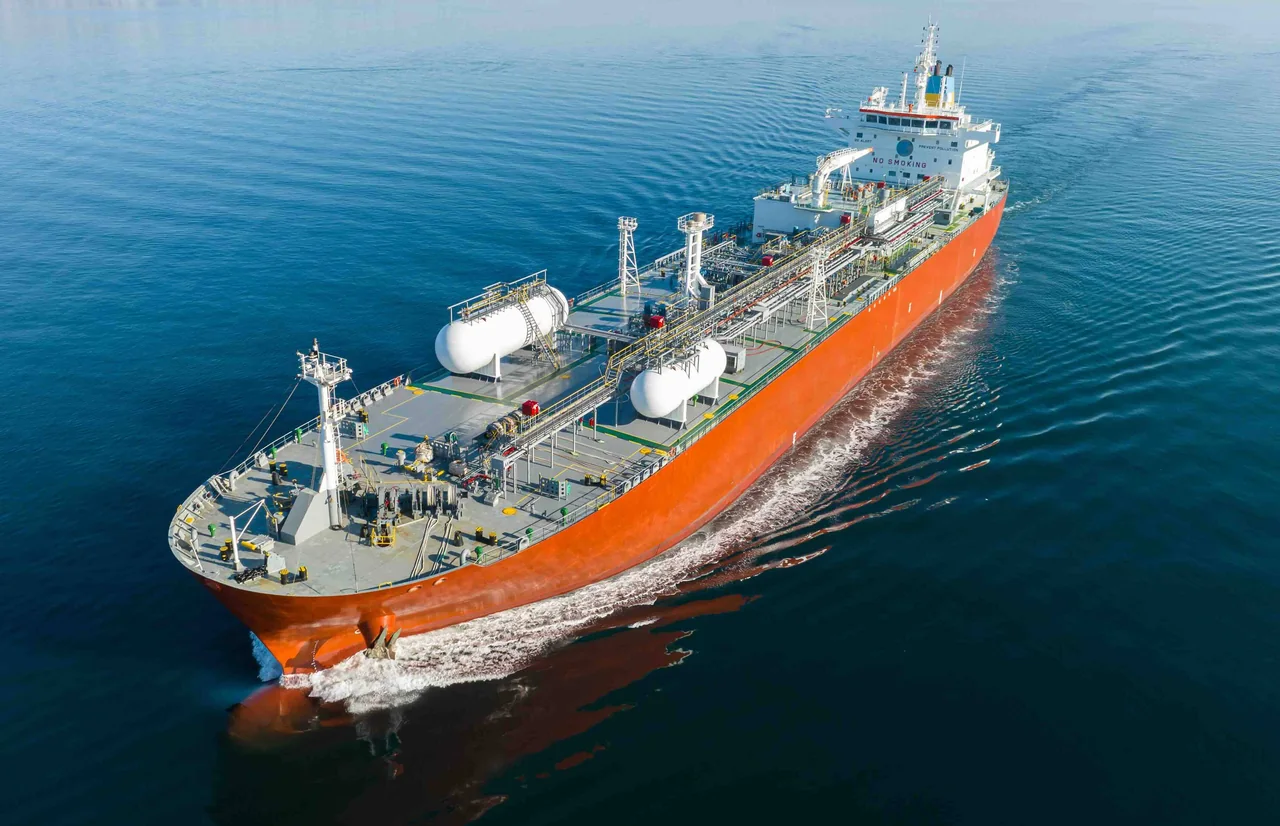
The cost of hiring a supertanker from the Middle East to China has reached its highest level since 2020, with rates exceeding $200,000 per day. This increase is largely driven by concerns over U.S. attacks on Iran and the resulting uncertainty in global oil markets. As buyers seek to lock in oil cargoes, they are willing to pay a premium for secure transportation options. The Strait of Hormuz, which runs along Iran's coast, remains a critical chokepoint for Gulf oil exports, making any disruptions or closures particularly concerning for global energy supplies.
The threat of U.S. military strikes on Iran has led to increased tensions in the region, with shipping associations warning of potential disruptions to oil shipments. While the Strait of Hormuz has never been fully closed, there is a risk of temporary closure if tensions escalate, which could have far-reaching consequences for global energy markets. The Worldscale industry measure used to calculate freight rates has shown that the benchmark freight rate DFRT-ME-CN has risen to $206,141 per day, its highest level since April 2020.
The surge in oil shipping costs is largely due to increased crude exports from the Middle East as traders have accelerated charters ahead of a possible military conflict between the U.S. and Iran. This trend has been supported by a buying spree by South Korean shipping group Sinokor, which has added to spot demand for VLCCs. The rise in freight rates is likely to reduce Asian refiners' profits, making it essential for them to secure oil cargoes at favorable prices.
The recent surge in tanker rates has nearly quadrupled from the start of the year, according to industry data. This increase reflects the growing uncertainty and risk associated with global oil markets, as well as the increased demand for secure transportation options. The Worldscale data also shows that the benchmark freight rate has risen to $218.52 per day, a level not seen since April 2020.
The surge in tanker rates is also driven by tighter ship availability and slow deliveries of new vessels, which means that ship scrapping is expected to remain low this year. This trend is likely to continue as charter rates remain strong, with buyers willing to pay premium prices for secure transportation options. The impact of these trends on the global energy market will be closely watched in the coming weeks.
A rush of cargo bookings by a Chinese state major in the past two days has highlighted the urgency of securing oil cargoes at favorable prices. This trend is likely to continue as buyers seek to lock in oil supplies ahead of potential disruptions to global energy markets. The increased demand for secure transportation options is driving up tanker rates, making it essential for refiners and traders to secure oil cargoes at favorable prices.
The recent surge in tanker rates poses a significant challenge for Asian refiners and could lead to reduced profits. As the global energy market continues to navigate uncertainty and risk, it is essential for refiners and traders to stay vigilant and adapt to changing market conditions. The impact of these trends on the global energy market will be closely watched in the coming weeks.
The increased demand for secure transportation options is driving up tanker rates, making it essential for refiners and traders to secure oil cargoes at favorable prices. As buyers seek to lock in oil supplies ahead of potential disruptions to global energy markets, they are willing to pay premium prices for secure transportation options. The surge in tanker rates reflects the growing uncertainty and risk associated with global oil markets.
The recent surge in tanker rates is a reflection of the ongoing tensions between the U.S. and Iran, as well as the increased demand for secure transportation options. As the global energy market continues to navigate these challenges, it is essential for refiners and traders to stay vigilant and adapt to changing market conditions. The impact of these trends on the global energy market will be closely watched in the coming weeks.
The surge in oil shipping costs poses a significant challenge for Asian refiners and could lead to reduced profits.