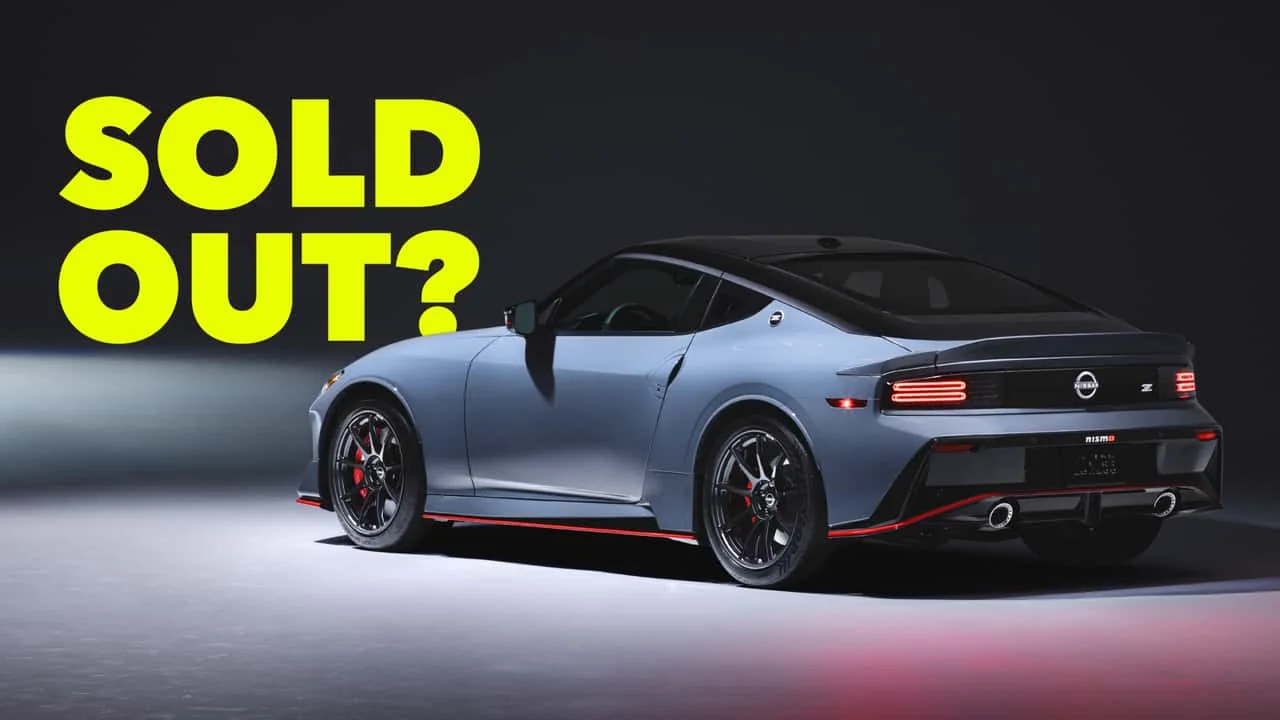
The Nissan Z Nismo is a high-performance variant of the iconic sports car, known for its exceptional handling and agility on the road. With its powerful engine and precise transmission, the Z Nismo has become a favorite among driving enthusiasts. However, if you're looking to get your hands on a manual version of this beast, be prepared to face some challenges.
The build-to-order model adopted by Nissan for the Z car means that production is now driven by demand rather than traditional manufacturing methods. This shift in approach allows the company to better tailor its offerings to meet the specific needs of customers, but it also introduces new complexities and limitations. In this case, manual-gearbox allocation has become a scarce resource, further reducing the appeal of the manual transmission option.
The manual transmission is an attractive feature for many driving enthusiasts, offering a more direct connection between driver and vehicle. However, with limited manual-gearbox allocation available, buyers may find themselves facing long wait times or having to settle for an automatic transmission instead. This development has significant implications for the automotive industry as a whole, highlighting the ongoing trend towards greater electrification and reduced manual transmissions.
The Nissan Z Nismo is part of a broader shift in the sports car market, where manufacturers are increasingly focusing on electric powertrains and advanced technology features. While this shift has brought many benefits, such as improved fuel efficiency and reduced emissions, it also poses challenges for driving enthusiasts who crave the raw experience of a manual transmission. As a result, companies like Nissan must carefully balance their production strategies to meet the demands of different customer segments.
The build-to-order model adopted by Nissan for the Z car also allows for greater flexibility in terms of customization options. However, this flexibility comes at a cost, as the company's limited resources are now focused on meeting specific demand rather than producing large quantities of cars. This approach can lead to longer production times and higher prices, further reducing the appeal of manual transmissions.
The Nissan Z Nismo is an iconic sports car that has been updated for the modern era with advanced technology features and improved performance capabilities. However, its limited availability in manual form highlights the ongoing challenges faced by driving enthusiasts who crave this type of transmission. As manufacturers continue to focus on electrification and reduced emissions, it remains to be seen how this trend will impact the demand for manual transmissions.
The shift towards greater electrification and reduced manual transmissions has significant implications for the automotive industry as a whole. With many companies now offering electric or hybrid variants of popular models, the demand for traditional manual transmissions is likely to continue declining. However, driving enthusiasts remain loyal to their favorite transmission types, ensuring that manufacturers will continue to offer manual options in some form.
The Nissan Z Nismo's limited availability in manual form serves as a reminder of the ongoing challenges faced by driving enthusiasts who crave this type of transmission. As manufacturers focus on electrification and reduced emissions, it remains to be seen how companies like Nissan will balance their production strategies to meet the demands of different customer segments. One thing is certain, however: the appeal of manual transmissions will continue to endure for many driving enthusiasts.
In conclusion, the limited availability of manual-gearbox allocation in the new Nissan Z Nismo highlights the ongoing challenges faced by driving enthusiasts who crave this type of transmission. As manufacturers continue to focus on electrification and reduced emissions, it remains to be seen how companies like Nissan will balance their production strategies to meet the demands of different customer segments.