
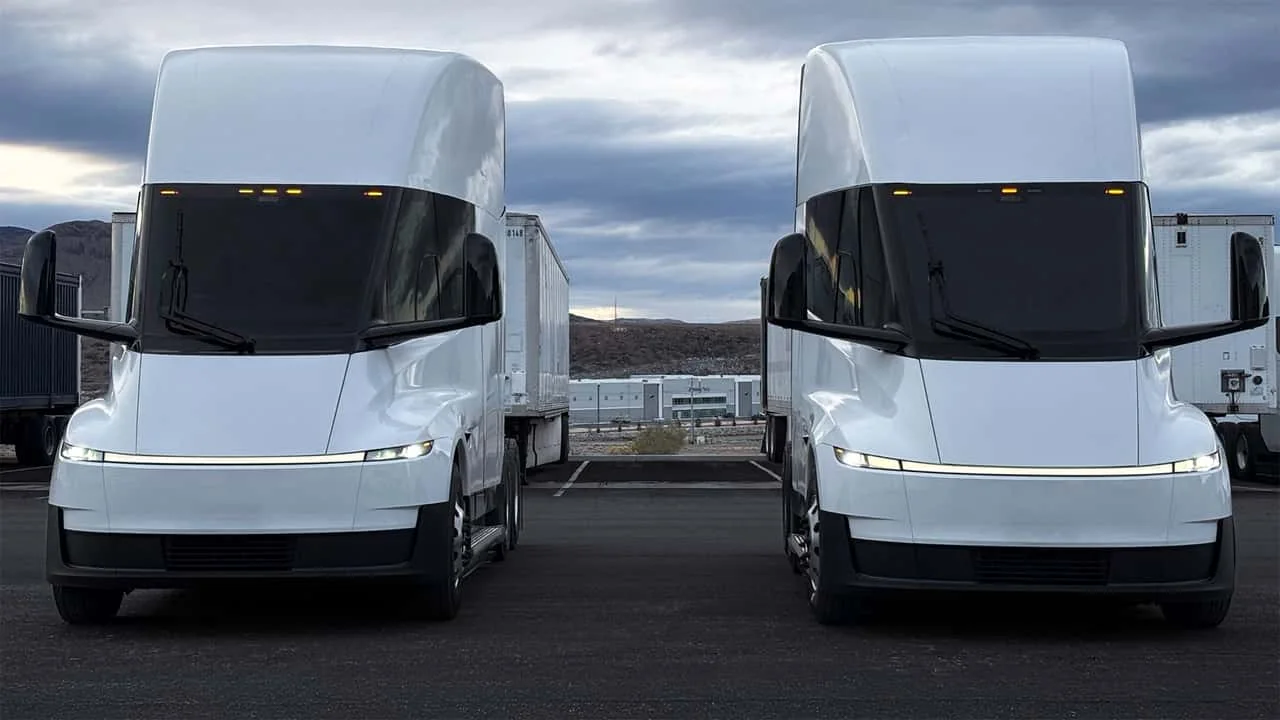
Tesla's megawatt charging infrastructure is set to expand rapidly across the United States, with the company listing 64 new locations as 'coming soon.' This significant increase in charging points is expected to further solidify Tesla's position as a leader in the electric vehicle market. As the demand for fast and convenient charging continues to grow, Tesla's megawatt chargers are well-positioned to meet this need.
The rollout of these new charging stations will bring the total number of Tesla Megacharger locations in the US to over 200, with dozens expected to open this year alone. This rapid expansion is a testament to the growing popularity of electric vehicles and the importance of convenient charging infrastructure. With more chargers available, drivers will have greater freedom to explore long-distance routes without worrying about running out of juice.
Tesla's megawatt chargers are capable of delivering up to 250 kilowatts of power, making them significantly faster than traditional Level 2 chargers. This rapid charging capability is a key selling point for Tesla's vehicles and will continue to be a major draw for potential buyers. As the market continues to evolve, it's likely that we'll see even more advanced charging technologies emerge in the coming years.
The expansion of Tesla's Megacharger network is also expected to have a significant impact on the broader electric vehicle ecosystem. With more chargers available, drivers will be able to charge their vehicles quickly and efficiently, reducing range anxiety and making long-distance travel more practical. This, in turn, will help to drive adoption of electric vehicles and accelerate the transition to a low-carbon transportation sector.
Tesla's megawatt chargers are not only convenient but also environmentally friendly. By reducing the need for lengthy charging sessions, these fast chargers can help to minimize energy consumption and reduce greenhouse gas emissions. As the world continues to grapple with the challenges of climate change, technologies like Tesla's Megacharger network will play an increasingly important role in mitigating our impact.
The rollout of Tesla's megawatt chargers is also likely to have a significant impact on the US economy. By creating new jobs and stimulating economic growth, these charging stations will help to drive development in rural areas where access to charging infrastructure has previously been limited. This, in turn, will help to promote economic equality and reduce disparities between urban and rural communities.
Tesla's Megacharger network is just one part of the company's broader efforts to create a sustainable energy ecosystem. By investing heavily in clean energy technologies like solar panels and energy storage systems, Tesla is helping to drive a low-carbon future for generations to come. As the world continues to transition towards a more sustainable energy model, companies like Tesla will play an increasingly important role.
The expansion of Tesla's Megacharger network is also likely to have a significant impact on the automotive industry as a whole. By setting a new standard for fast and convenient charging, Tesla is helping to drive innovation and competition in the sector. As other manufacturers respond to this challenge, we can expect to see even more advanced charging technologies emerge in the coming years.
As the world continues to grapple with the challenges of climate change, technologies like Tesla's Megacharger network will play an increasingly important role in mitigating our impact. By providing fast and convenient charging solutions, these chargers will help to reduce greenhouse gas emissions and promote a low-carbon transportation sector. With dozens expected to open this year alone, Tesla's megawatt chargers are set to become an essential part of the electric vehicle ecosystem.