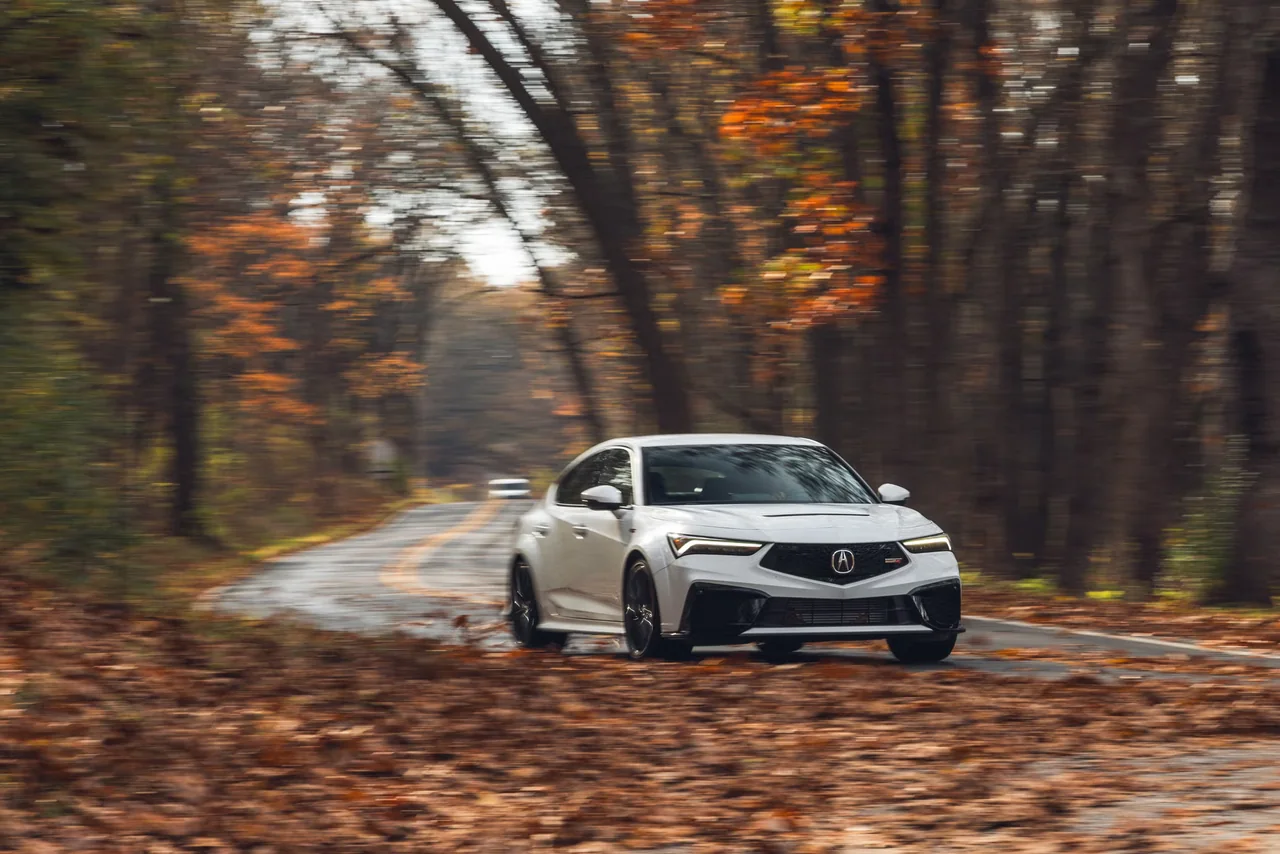
The automotive industry is witnessing a new trend, with manufacturers exploring innovative ways to expand their global reach. In this context, Honda has made a bold decision to sell an Acura model from the United States to Japan for the first time, according to recent reports. The company will export the Ohio-built Integra Type S, marking a significant milestone in its history. This move is part of Honda's strategy to reverse-import select models into Japan, which will be sold with their original U.S. specifications, including left-hand drive designs.
The fourth-gen Passport, another model set to be reverse-imported, boasts an impressive list of features, including all-terrain tires, off-road-tuned suspension, and reinforced steel skid plates for added protection from rocks. The TrailSport Elite trim is particularly noteworthy, offering a unique blend of performance and practicality that is sure to appeal to enthusiasts. By bringing these models to Japan, Honda aims to tap into the growing demand for exclusive and high-performance vehicles.
The decision to reverse-import the Integra Type S marks a full-circle moment for the performance car, which was one of the first two Acura products sold in the United States when Honda first formed the brand in 1986. Initially, the Integra was sold as a Honda model in Japan and imported to the U.S. with Acura badging. Today, the Integra Type S is built exclusively in Ohio, with no JDM version available.

The export of both models will begin in the second half of 2026, marking an exciting development for fans of these vehicles. While it's unlikely that either model will generate massive sales figures due to their left-hand drive designation, enthusiasts are sure to snap them up. The unique opportunity to own a rare and exclusive Acura model makes this move a compelling one for those in the know.
The reverse-importation strategy is part of Honda's broader efforts to expand its global presence and offer customers more choices. By targeting niche markets and catering to specific enthusiast groups, Honda aims to build brand loyalty and create a loyal customer base.
However, it remains to be seen how this move will impact the overall sales performance of Acura in Japan. The company's decision to reverse-import these models may also influence its strategy for future product releases, as it seeks to balance its global ambitions with local market preferences.
The partnership between Honda and Acura is built on a foundation of innovation and customer satisfaction. By embracing new technologies and expanding its product lineup, the brand aims to stay ahead of the competition and maintain its position in the global automotive market.
As the automotive industry continues to evolve, manufacturers are forced to adapt and innovate in response to changing consumer preferences. The reverse-importation strategy is a testament to Honda's willingness to experiment and push boundaries in pursuit of success.
The future of Acura in Japan holds much promise, with this move marking an exciting new chapter in the brand's history. As enthusiasts eagerly await the arrival of these rare models, it remains to be seen how they will shape the brand's trajectory and influence its product development strategy.
The move marks a significant shift in Acura's sales strategy, as it seeks to capitalize on the growing demand for unique and exclusive models.