

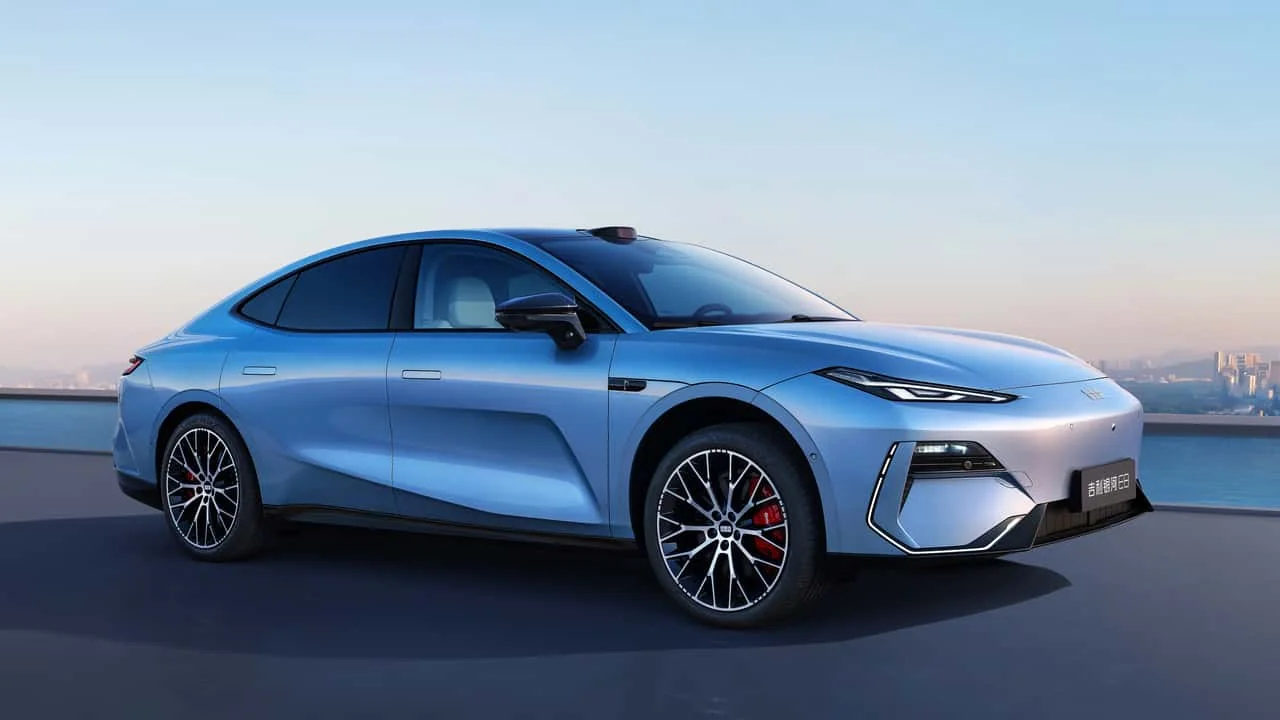
The automotive industry has witnessed a significant change in the purchasing habits of Gen Z, with a substantial number of young Americans showing interest in buying Chinese-made cars. According to recent research, nearly 70 percent of respondents from this age group would consider purchasing a car manufactured in China. This trend is likely to have far-reaching implications for the automotive industry as a whole.
This shift in consumer preferences can be attributed to several factors, including rising concerns about the environmental impact of traditional vehicles and the increasing affordability of Chinese-made cars. The growing popularity of electric vehicles has also played a significant role in changing the purchasing habits of Gen Z, with many young Americans opting for more sustainable and eco-friendly options.
The automotive industry is taking notice of this trend, with several major car manufacturers investing heavily in Chinese manufacturing facilities. This move is aimed at reducing production costs and increasing efficiency, which can help to make cars more affordable for consumers. As a result, we can expect to see a significant increase in the number of Chinese-made cars on the roads in the coming years.
The rise of Chinese cars among Gen Z has also led to concerns about quality and reliability. While some manufacturers have made significant strides in improving the quality of their vehicles, others may struggle to meet the high standards set by consumers. As a result, it is essential for car manufacturers to prioritize quality control and ensure that their vehicles meet the expectations of young buyers.
The increasing popularity of Chinese cars among Gen Z has also raised questions about trade policies and their impact on the automotive industry. The ongoing trade tensions between China and other countries have created uncertainty in the market, which can affect the availability and pricing of Chinese-made cars. As a result, it is essential for car manufacturers to navigate these complexities and ensure that they can meet the demands of consumers.
Despite the challenges posed by trade policies, the automotive industry remains optimistic about the future of Chinese cars among Gen Z. The growing popularity of electric vehicles has created new opportunities for car manufacturers to innovate and improve their products. As a result, we can expect to see significant advancements in the quality and performance of Chinese-made cars in the coming years.
The rise of Chinese cars among Gen Z has also led to concerns about brand loyalty and consumer trust. While some consumers may be hesitant to buy a car from a manufacturer they have never heard of before, others are open to exploring new brands and options. As a result, it is essential for car manufacturers to build strong relationships with their customers and provide them with exceptional customer service.
The increasing popularity of Chinese cars among Gen Z has also created new opportunities for innovation in the automotive industry. The growing demand for electric vehicles has led to significant advancements in technology and design, which can help to improve the performance and efficiency of Chinese-made cars. As a result, we can expect to see significant improvements in the quality and performance of Chinese-made cars in the coming years.
As the automotive industry continues to evolve, it is essential for car manufacturers to stay ahead of the curve and adapt to changing consumer preferences. The growing popularity of Chinese cars among Gen Z has created new opportunities for innovation and growth, which can help to drive the industry forward. By prioritizing quality control, investing in research and development, and building strong relationships with customers, car manufacturers can capitalize on this trend and stay ahead of the competition.
The increasing popularity of Chinese cars among younger generations may indicate a shift in consumer preferences towards more affordable and accessible vehicle options.