The United States is taking a significant step towards ensuring the free flow of energy to the world by ordering the U.S. International Development Finance Corporation to provide political risk insurance and financial guarantees for maritime trade in the Gulf. This move marks one of the administration's most aggressive steps yet to attempt to contain soaring energy prices amid escalating conflict in the Middle East that has raised risks to shipping through key waterways. The Trump administration is willing to use financial and military tools to prevent disruptions to global crude supplies, with a focus on lower fuel costs for Americans. However, it remains to be seen whether this move will be enough to calm shippers and reduce rising energy prices.
The U.S. Navy could begin escorting oil tankers through the Strait of Hormuz if necessary, President Donald Trump said on Tuesday, adding that he had ordered the U.S. International Development Finance Corporation to provide political risk insurance and financial guarantees for maritime trade in the Gulf. This move is a significant step towards ensuring the free flow of energy to the world, but it also raises concerns about the risks associated with military escorts. The U.S. Navy has a limited number of ships that could escort tankers, and some of those vessels are being used to carry out strikes against Iran and shoot down its missiles.
The move comes as global crude prices have spiked since Israeli and U.S. forces began striking Iran over the weekend, leading to fighting that has interrupted Middle East oil tanker shipments. Ship owners and analysts were uncertain that military escorts and insurance backstopping by the DFC would be enough to stop rising prices, however. The DFC is a government agency that partners with private investors to support projects in developing countries.
The U.S. support for tanker insurance is not unprecedented. During the Iran-Iraq conflict in the 1980s, Washington reflagged tankers and provided naval escorts when private insurers withdrew coverage. After the September 11, 2001, attacks, the U.S. issued insurance policies to keep shipping moving amid elevated war-risk premiums.
Higher insurance costs have made it more expensive for tankers willing to risk traveling through the area, prompting some operators to delay voyages or seek alternative routes. War-risk premiums have jumped and some providers have scaled back or withdrawn coverage, industry sources say. This has led to a significant increase in the cost of shipping oil through the Strait of Hormuz.
The Trump administration's plan may fall short of calming shippers as long as fighting continues, because the U.S. has a limited number of ships that could escort tankers. The U.S. Navy had 12 warships, including an aircraft carrier, in the Middle East that the military could use to help escort commercial ships. However, some of those vessels are being used to carry out strikes against Iran and shoot down its missiles.
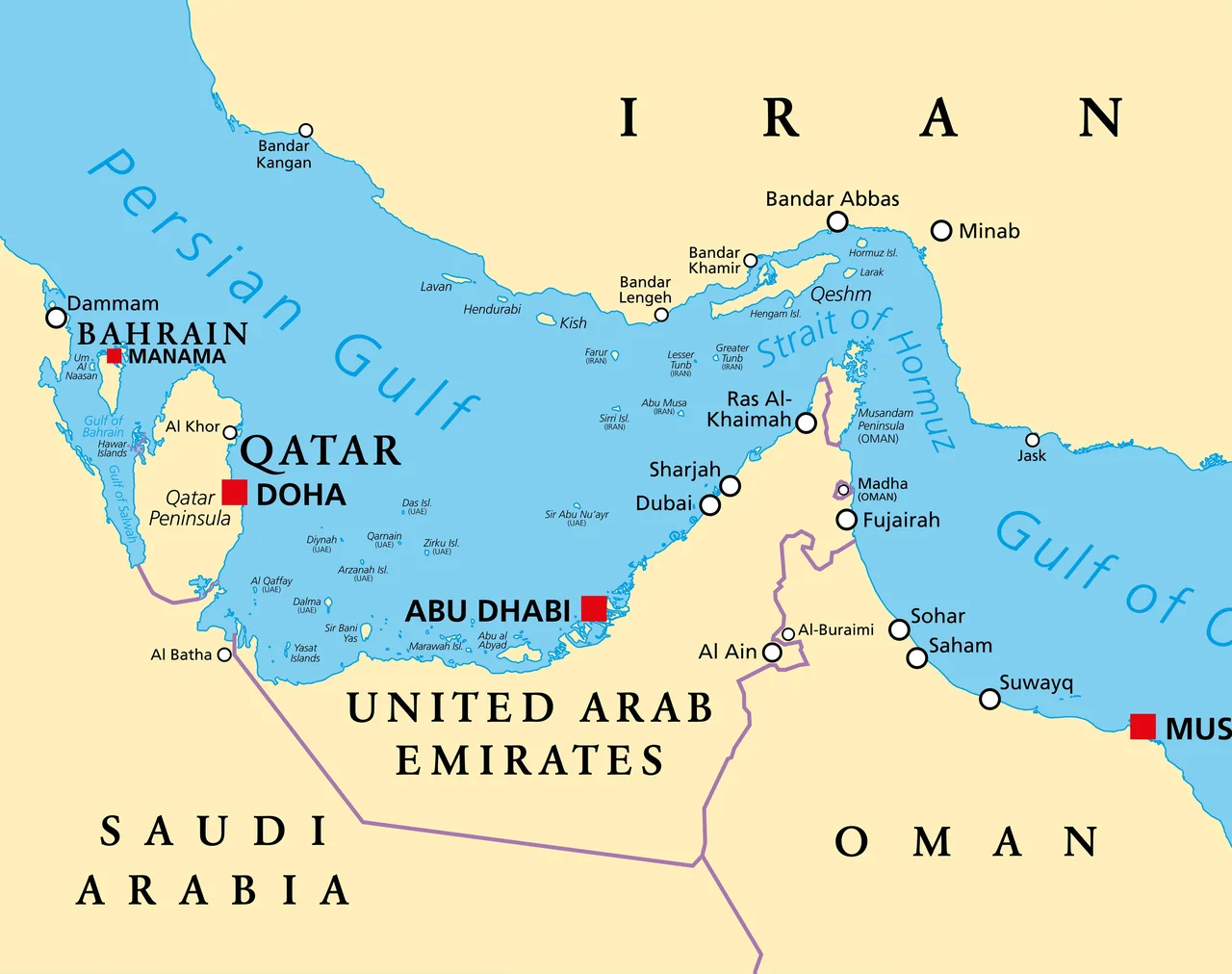
The attacks on oil tankers have been largely blocked through the Strait of Hormuz, a chokepoint between Iran and Oman through which around a fifth of the world's oil is shipped. Oil shipments have been largely blocked due to strikes and damage to tankers, with some operators delaying voyages or seeking alternative routes. The war-risk premiums have made it more expensive for tankers willing to risk traveling through the area.
The Trump administration has been reluctant to tap the nation's Strategic Petroleum Reserve, but officials could soon signal that they are prepared to use it if prices continue to climb. This move would be a significant step towards reducing energy prices and ensuring the free flow of energy to the world. However, it remains to be seen whether this move will be enough to calm shippers and reduce rising energy prices.
The Trump administration's plan may not be enough for wide and safe passage, but some ships could get through. The attacks could still take place, and insurance stays high but we will have individual players making deals with the Iranians to get exemptions for their ships. This highlights the complexity of the situation and the need for a coordinated effort from all parties involved.
The Trump administration's move to provide insurance support for maritime trade in the Gulf may not be enough to stop rising prices, and other upside risks to crude prices include threats to production sites.