Several Asian refineries and petrochemical companies were forced to cut runs and declare force majeure as the U.S.-Israel war on Iran disrupted crude and feedstock exports from the Middle East. This disruption has a ripple effect on the global supply chain, impacting various industries that rely on these supplies. The impact of this conflict is being felt across multiple regions, including Asia, where refineries and petrochemical companies are struggling to maintain operations due to the shortage of raw materials. As a result, many companies have been forced to reduce their production rates or even shut down certain units temporarily.
Asian steam crackers, which source more than 60% of their naphtha feedstock from the Middle East, have been quick to declare force majeure on petrochemical supplies to customers. This is because naphtha is a critical raw material used in the production of various petrochemicals, and its shortage has left many companies struggling to meet demand. The declaration of force majeure by these companies means that they are unable to fulfill their contractual obligations due to circumstances beyond their control.
Three operators told Reuters they are curtailing run rates to roll over some of their feedstock into next month so they can keep plants running and avoid shutdowns even if imports fall short. This is a strategic move aimed at minimizing the impact of the shortage on production and ensuring that supply chains remain relatively stable despite the disruptions caused by the conflict.
It takes up to two weeks to restart a steam cracker unit, two operators said, and plants typically don't keep more than one month of feedstock on hand. This means that even if imports resume soon, it may take some time for production levels to return to normal. The shortage of raw materials is also affecting other industries that rely on petrochemicals produced by these refineries.
China has been particularly hard hit by the conflict, with several major refiners and petrochemical companies declaring force majeure or reducing their production rates. Shell's south China petrochemical joint venture with CNOOC plans to shut a steam cracker soon due to disruptions in feedstock supplies, while Zhejiang Petrochemical Corp has shut a 200,000-barrel-per-day unit in response to the Middle East conflict.
The impact of this conflict is not limited to Asia, however. Indian refiner Mangalore Refinery and Petrochemicals has also been affected, shutting a crude unit and some secondary units at its 300,000-barrier-per-day refinery due to oil shortage. This highlights the global nature of the supply chain disruptions caused by the conflict.
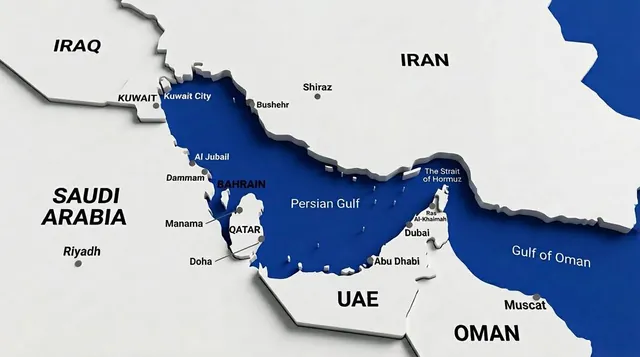
In South Korea, petrochemical company Yeochun NCC has cut its output and declared force majeure on its supply as it is unable to receive naphtha feedstock due to the Strait of Hormuz blockade. Meanwhile, Singapore-based firm PCS has also declared force majeure on shipments due to maritime transportation disruptions.
The shortage of raw materials caused by the conflict is having a significant impact on industries that rely on petrochemicals produced by these refineries. As a result, companies are being forced to adapt their production strategies and explore alternative sources of supply in order to minimize the impact of this disruption.
In Indonesia, Chandra Asri has declared force majeure on all contracts due to the Middle East conflict disrupting its raw material supply. This highlights the far-reaching consequences of the conflict, which is affecting not only refineries but also petrochemical producers and other industries that rely on these supplies.