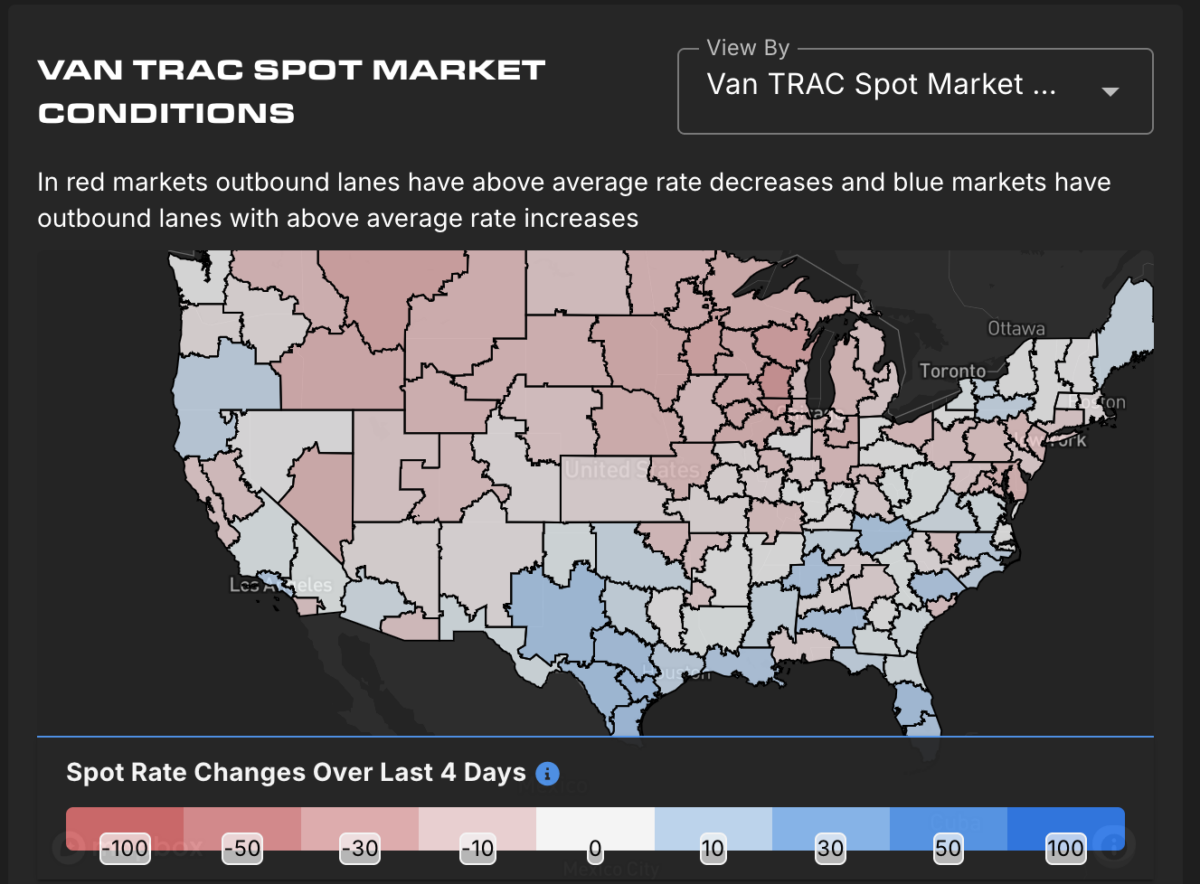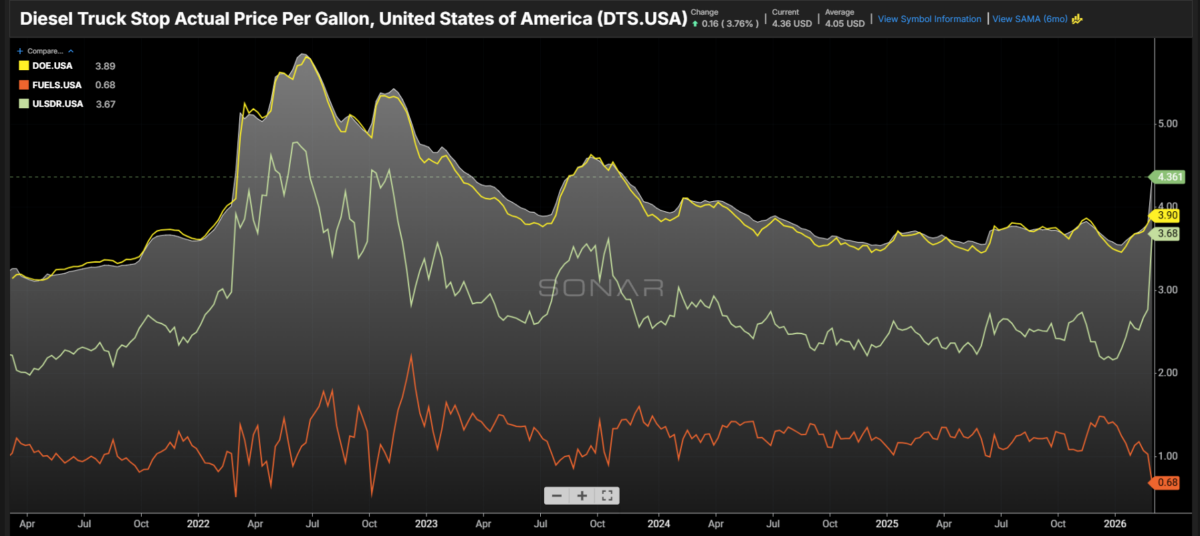

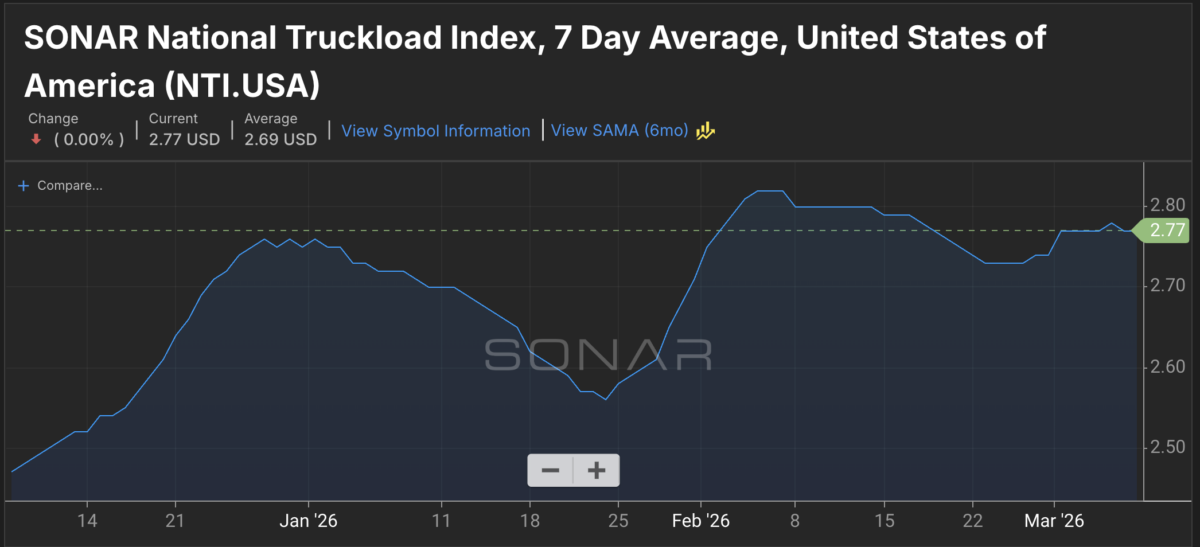
The trucking industry was on the cusp of recovery, with spot rates climbing and excess capacity bleeding out of the market. However, a recent surge in fuel prices has put that progress back into question. Crude oil is currently trading between $100 and $111 per barrel, while diesel prices are at $4.60 nationally and expected to reach $5 soon.
This sharp increase in fuel costs will have a ripple effect throughout the industry, impacting small carriers who need to read it like one. The trucking industry's foundation for recovery was already thin, with carrier exits accelerating through 2023 and 2024 due to weak profitability, high insurance costs, and elevated financing expenses.
The demand side of the equation never really showed up, with consumer spending shifting toward services after the pandemic and manufacturing remaining soft. This has left small carriers who survived 2023, 2024, and 2025 by cutting costs to the bone, deferring equipment purchases, and accepting rates that left almost nothing for savings or reserve.

As fuel prices rise, the cash flow gap between revenue and expenses widens, posing a genuine solvency risk for many carriers. With freight revenue arriving in 30 to 45 days after load completion, the timing of payment creates an additional challenge.
To mitigate this impact, small carriers need to review their fuel surcharge structures, communicate them clearly, and enforce them starting immediately. This will help ensure they don't lose money on every loaded mile due to fuel price increases.
Carriers also need to assess their cash positions and available credit options. Understanding what is available and at what cost can make a significant difference in making informed decisions from a position of choice rather than desperation.

Furthermore, carriers should review their load selection criteria using current fuel prices, not historical ones. This will help identify the minimum rate per mile below which they are losing money on every load, ensuring they don't accept loads that destroy their business.
The recovery that the trucking industry could see has not evaporated, but the demand catalyst needed to translate supply-side gains into actual rate recovery and margin rebuilding has been delayed. If oil stabilizes or retreats as the Iran conflict de-escalates, the macro damage to consumer spending and freight demand may be manageable.
However, if the Strait of Hormuz disruption persists for weeks rather than days, and oil prices stay elevated through the second quarter of 2026, recovery could be pushed back into late 2026 or possibly even 2027. Carriers who survive will need to protect their cash position aggressively, enforce fuel surcharges without apology, and avoid accepting rates that destroy their business.