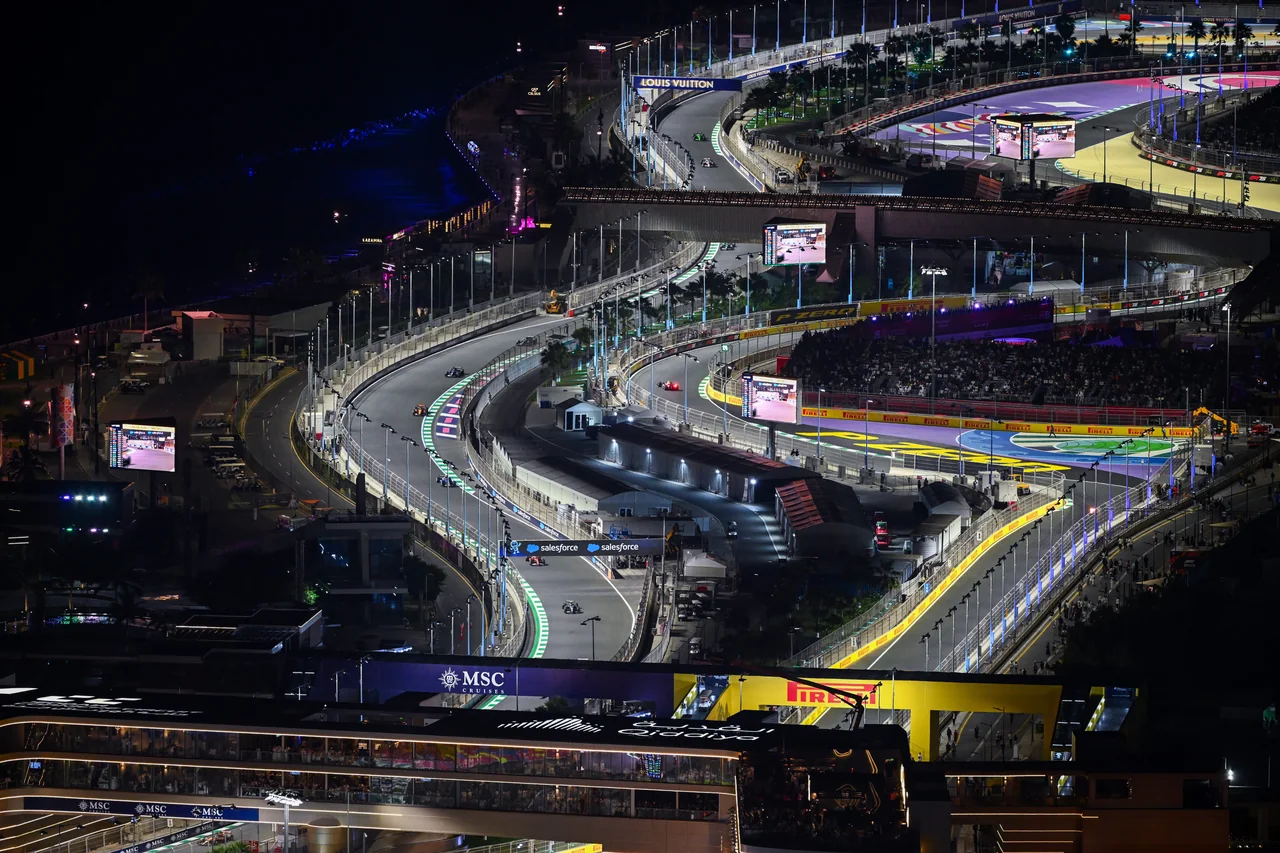
The FIA and Formula 1 have announced that they will not be running the Saudi Arabian and Bahrain Grands Prix in April due to ongoing military tensions in the Middle East. This decision was expected after several high-profile events were cancelled in the region, including a wet water test by Pirelli and the Qatar 1812KM event by WEC earlier this month. The cancellation is a result of missile strikes in the region, which has led to increased security concerns.
The FIA and Formula 1 have taken a cautious approach to ensure the safety of their community and colleagues. By postponing these events, they are prioritizing the well-being of those involved in the sport. This decision will undoubtedly impact the racing calendar, with several support classes also being affected. The F2, F3, and F1 Academy series will lose rounds or entire races due to the cancellation.
The announcement was made during the Chinese Grand Prix weekend, where Formula 1 officials confirmed that they would not be running the Saudi Arabian and Bahrain Grands Prix in April. This decision is a result of careful consideration by the FIA and Formula 1, who have weighed up the risks and benefits of continuing with the events. The safety of their community is paramount, and they will not compromise on this.
The postponement of these events will undoubtedly have an impact on the racing calendar. Several support classes, including F2, F3, and F1 Academy, will lose rounds or entire races due to the cancellation. This will likely affect the drivers' schedules and their ability to compete in other events. The exact impact is still unclear, but it is likely that several drivers will be affected.
The decision has been welcomed by several key stakeholders, including Bahrain International Circuit Chief Executive Sheikh Salman bin Isa Al Khalifa and Chairman of the Saudi Automobile and Motorcycle Federation Prince Khalid bin Sultan Al-Abdullah Al-Faisal. Both officials have expressed their support for the decision and looked forward to welcoming fans back to the tracks when Formula 1 returns.
The FIA President Mohammed Ben Sulayem has also spoken out in support of the decision, stating that the safety of the F1 community is paramount. He acknowledged that the cancellation was a difficult decision but emphasized that it was necessary to ensure the well-being of those involved. The FIA will continue to work closely with Formula 1 and their partners to find alternative dates for the events.
The postponement of these events highlights the importance of prioritizing safety in motorsport. The FIA and Formula 1 have demonstrated a commitment to ensuring the well-being of their community, even if it means making difficult decisions. This decision will undoubtedly have an impact on the racing calendar, but it is likely that several stakeholders will be relieved by the postponement.
The cancellation of these events also underscores the challenges faced by motorsport in the Middle East. The ongoing military tensions in the region have made it increasingly difficult for events to take place without compromise on safety. The FIA and Formula 1 have taken a cautious approach, prioritizing the well-being of their community over any potential financial or logistical concerns.
The future of motorsport in the Middle East remains uncertain, but the postponement of these events suggests that the FIA and Formula 1 are committed to ensuring safety above all else. The impact on the racing calendar will be significant, but it is likely that several stakeholders will be relieved by the postponement.