
During Tesla's Q4/FY2025 earnings call, Elon Musk mentioned that the company could have 2 million robotaxis in a year, more than it can build. However, this claim seems unlikely given the current state of the service and production capacity.
The Robotaxi program was launched in Austin this year with limited success, suffering from problems such as high crash rates compared to human drivers. Despite this, Musk promised that half of the US population would be covered by robotaxis by the end of the year.
However, currently, Tesla covers only two areas with a service it calls Robotaxi, and the reality is far from the optimistic words used during the earnings call. In terms of available vehicles carrying paid customers, public evidence suggests that there are fewer than 500 cars in total between the Bay Area and Austin.
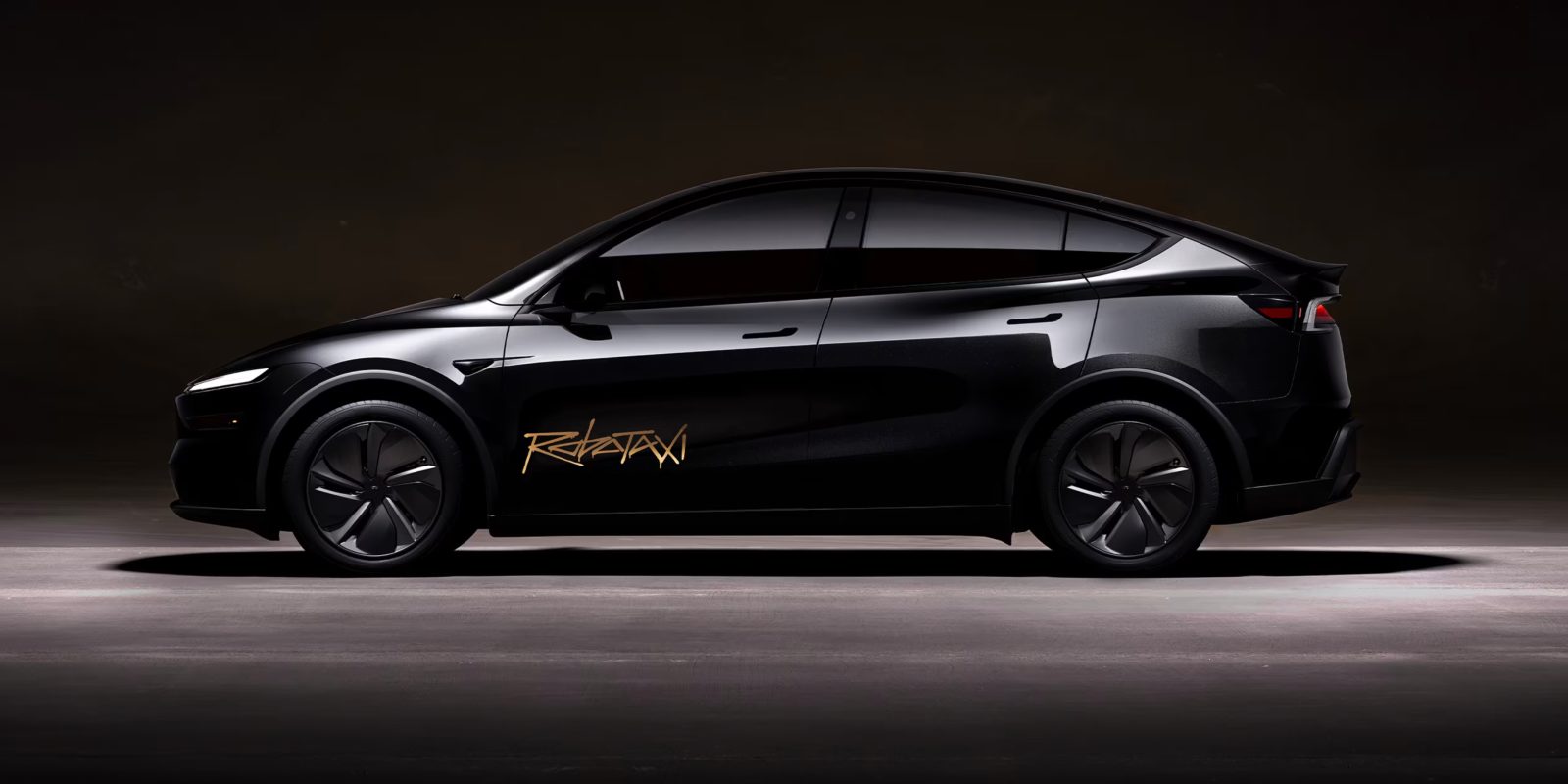
Musk's statement that the fleet will double every month seems suspect given Tesla's current production capacity. If indeed the fleet doubles monthly, it would lead to an unrealistic number of 2 million cars by the end of next year.
The rollout of this program is also plagued by concerns about scaling, as each geographical area requires significant work on corner cases. This raises questions about how Musk can achieve such a high growth rate without considering the implications of his statements.
It's concerning that Elon Musk is making claims about Tesla's Robotaxi service expansion without considering the evidence and production capacity. This type of rhetoric has been seen before, and it raises questions about how serious he is about achieving such ambitious goals.