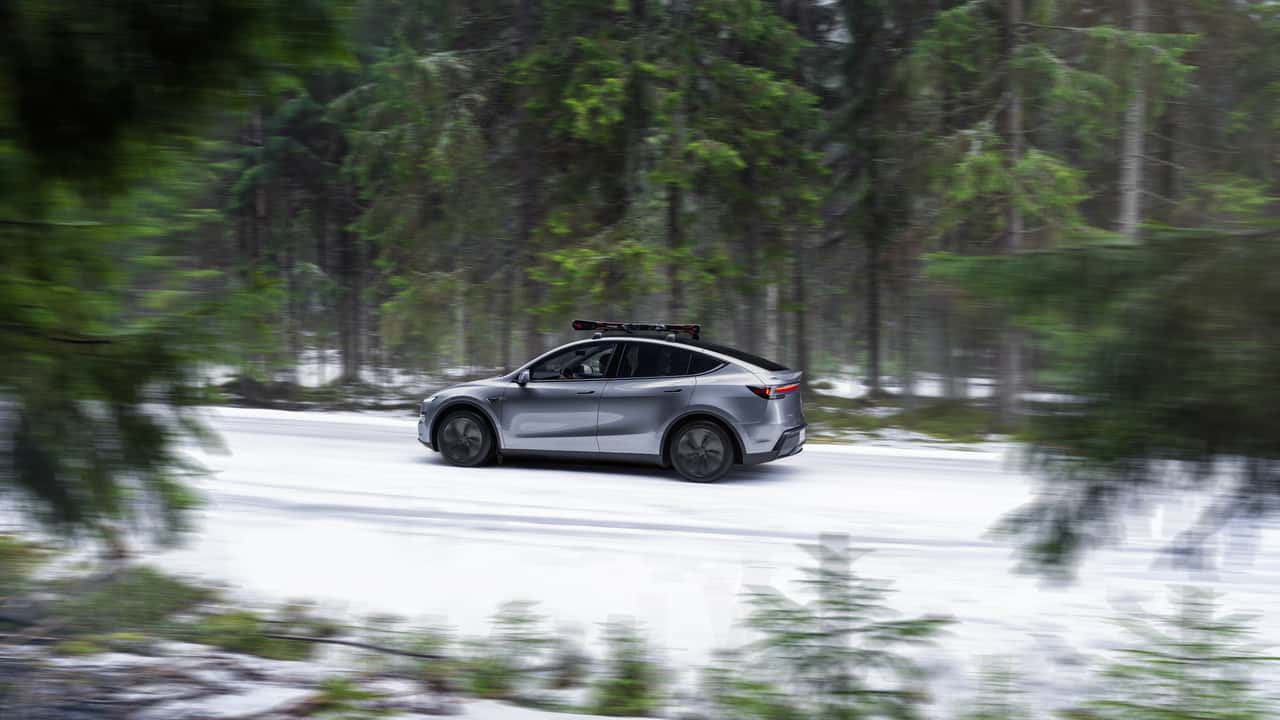
In recent months, 25 electric vehicles underwent rigorous range testing in extreme cold temperatures, with the goal of understanding how these vehicles perform under harsh winter conditions. The test was designed to push the limits of EVs and see how they handle at speeds below freezing.
The results were as expected - a significant impact on the vehicle's performance and efficiency. Driving at the speed limit while the thermometer shows -24 degrees can take a toll on any car, not just EVs.
This is because most modern cars rely on electric motors to propel them forward, which are less efficient in cold temperatures due to reduced battery power output. In particular, some of the tested vehicles struggled with acceleration and braking, highlighting the need for improved thermal management systems in EVs.
Furthermore, the cold weather also affected the range of these vehicles, leading to a decrease in overall efficiency. The testing was conducted in various locations across North America, including Canada and the United States, to provide a comprehensive understanding of how EVs perform under extreme cold conditions.
The findings from this test will be invaluable for manufacturers looking to improve their electric vehicle designs and ensure they can handle the demands of winter driving. By understanding these limitations, car manufacturers can make necessary adjustments to create more efficient and reliable vehicles that can handle harsh weather conditions.
As the world shifts towards a more sustainable transportation system, it is essential to develop EVs that can withstand extreme temperatures and provide a smooth driving experience.
The results of this range testing demonstrate the importance of thermal management systems in electric vehicles, particularly when operating in cold temperatures. Manufacturers must prioritize the development of efficient thermal management systems to ensure their vehicles can maintain optimal performance and efficiency under harsh winter conditions.