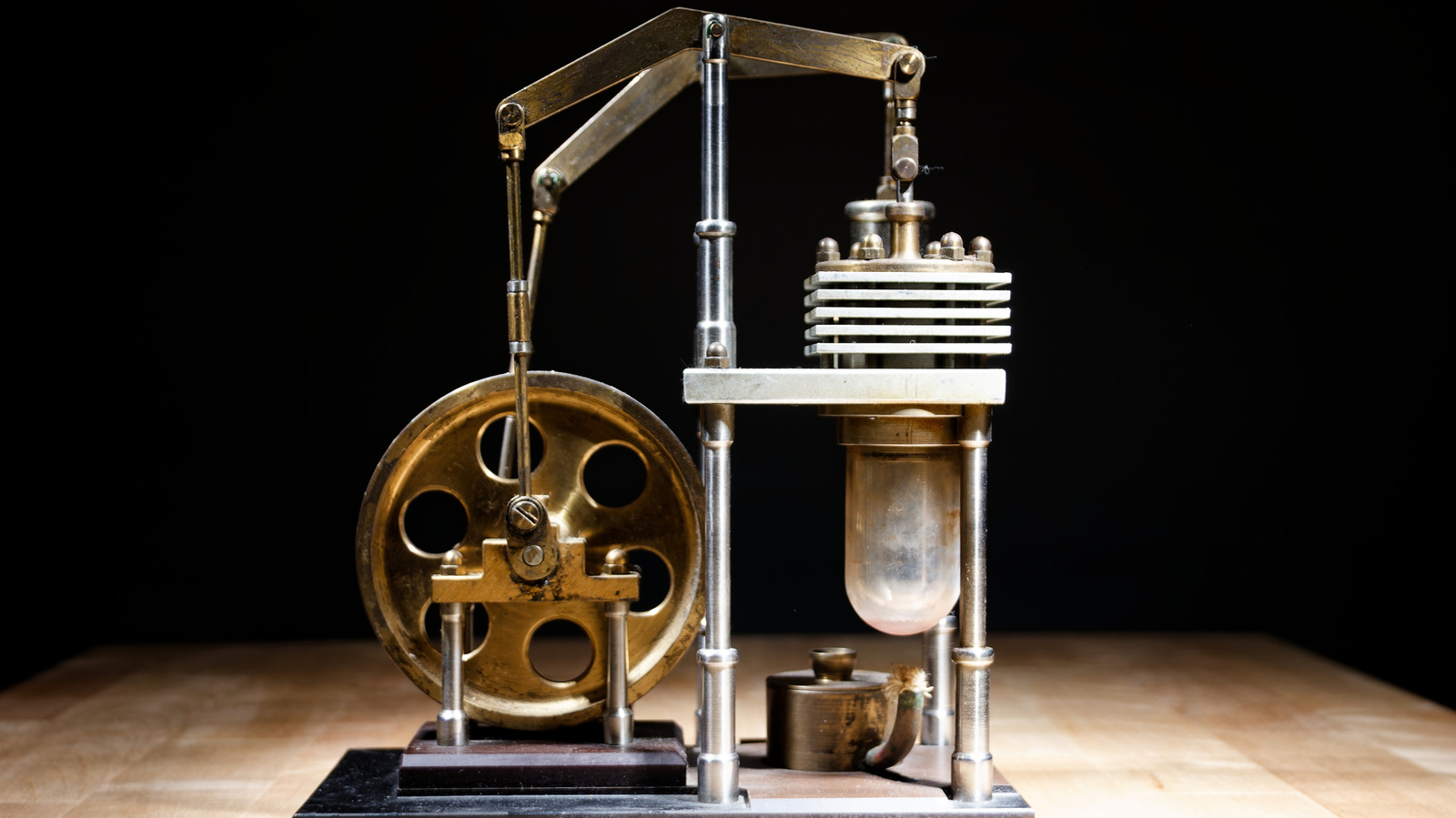
The concept of refrigeration has been around for thousands of years, with ancient civilizations using various methods to cool their food and surroundings. However, one of the earliest mechanical systems of cooling was not evaporative cooling, but rather a different method that emerged from an engine invented over 200 years ago. The Stirling engine, patented in 1816 by Scottish inventor Robert Stirling, was originally designed to pump water into a quarry, but its unique system of moving cold air paved the way for modern air conditioning as we know it. Despite never gaining widespread demand, the Stirling engine's design laid the groundwork for future innovations in cooling technology.
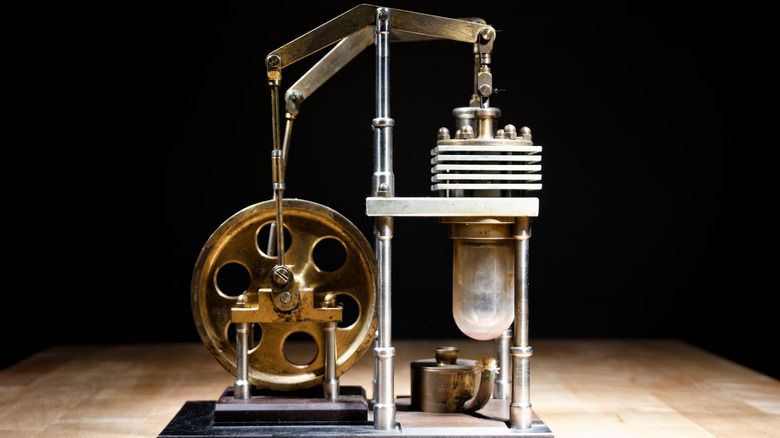
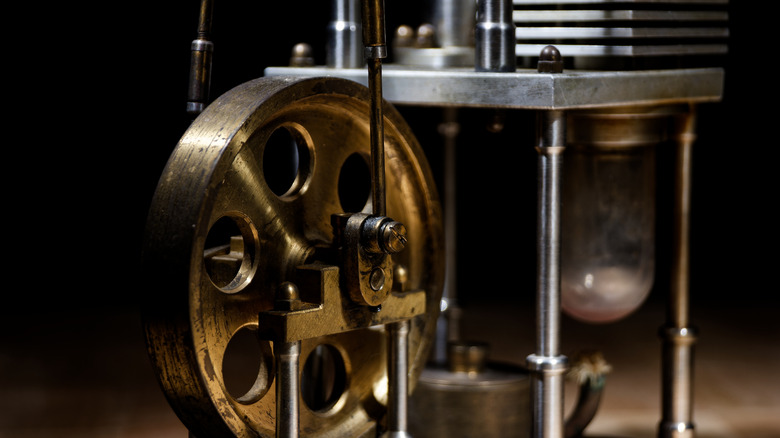
The Stirling engine works by using a single cylinder with a piston-style displacer inside, which creates a small air gap between the displacer and the cylinder walls. Above and below the cylinder are metal plates, with the bottom plate warmed by an external heat source and the top plate attached to a wheel connected to the displacer. As the bottom plate warms, it heats the air at the bottom of the cylinder, expanding it and pushing the piston up, turning the wheel and pushing the displacer back down. This process creates a cooling effect that can be harnessed by manually or mechanically turning the wheel.
The Stirling engine's cooling mechanism relies on the movement of cold air being pushed into the room through one plate and hot air escaping through another. As the displacer rises, it forces the air back down to the bottom of the cylinder, where it's reheated and the process repeats. This cycle can be reversed by using a different temperature differential between the top and bottom plates. The Stirling engine's design is surprisingly efficient, with the ability to harness the cold air created from one plate.
As the years went by, other inventors began to explore new methods of cooling, including evaporative cooling using liquid refrigerants. However, the Stirling engine's unique system of moving hot and cold air paved the way for this technology. The Stirling engine's cooling usage was eventually killed off as evaporative cooling became more widespread, but its legacy lives on in modern air conditioning systems.
Evaporative cooling has been around for thousands of years, with ancient civilizations using clay pots to store liquids that would evaporate and cool the contents. However, the Stirling engine's transfer of hot and cold air from one area was a precursor to using evaporative cooling to send colder air somewhere else. The Stirling engine's design may seem outdated now, but its influence on modern refrigeration technology cannot be overstated.
Despite its historical significance, the Stirling engine is no longer widely used today. However, there are still some applications where its unique design can be beneficial. Some submarines use Stirling engines to generate power underwater, as diesel engines in those submarines need air. Additionally, Stirling Cryogenerators can generate temperatures as low as -258 degrees Celsius.
Researchers and companies are now exploring the potential of highly efficient Stirling-style engines to create air refrigeration without using chemicals that pollute the earth. While these applications are still in their infancy, the Stirling engine's legacy continues to inspire innovation in the field of cooling technology. As we look to the future of refrigeration, it's clear that the humble Stirling engine played a crucial role in paving the way for modern air conditioning.
The Stirling engine may not be as widely recognized today as some other historical inventions, but its impact on modern refrigeration cannot be ignored. The engine's unique system of moving cold air paved the way for modern air conditioning systems, and its legacy continues to inspire innovation in the field of cooling technology. As we continue to explore new ways to cool our surroundings, it's clear that the Stirling engine will always hold a special place in the history of refrigeration.
The story of the Stirling engine serves as a reminder that even seemingly outdated technologies can have a lasting impact on modern society. The engine's design may seem simple compared to today's complex air conditioning systems, but its influence on modern refrigeration technology is undeniable. As we look to the future of cooling, it's clear that the humble Stirling engine will continue to be an important part of our history.
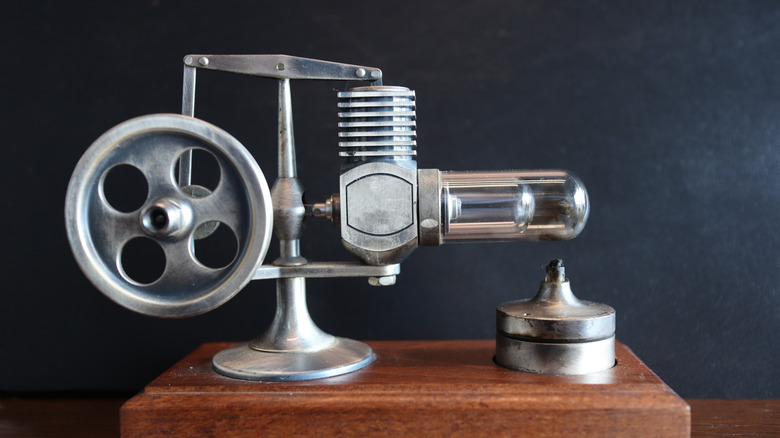
The Stirling engine's unique system of moving cold air paved the way for modern air conditioning as we know it.