The cost of cars has skyrocketed in recent years, with many models now exceeding $50,000. This price increase is largely driven by inflation, which has been steadily rising over the past few decades. As a result, consumers are being forced to pay more for their vehicles.
The automotive industry is feeling the pinch as prices continue to rise. With many manufacturers increasing their production costs and passing them on to consumers, it's becoming increasingly difficult for buyers to find affordable options. The impact of this trend can be seen in the used car market, where prices are also rising due to high demand and limited supply.
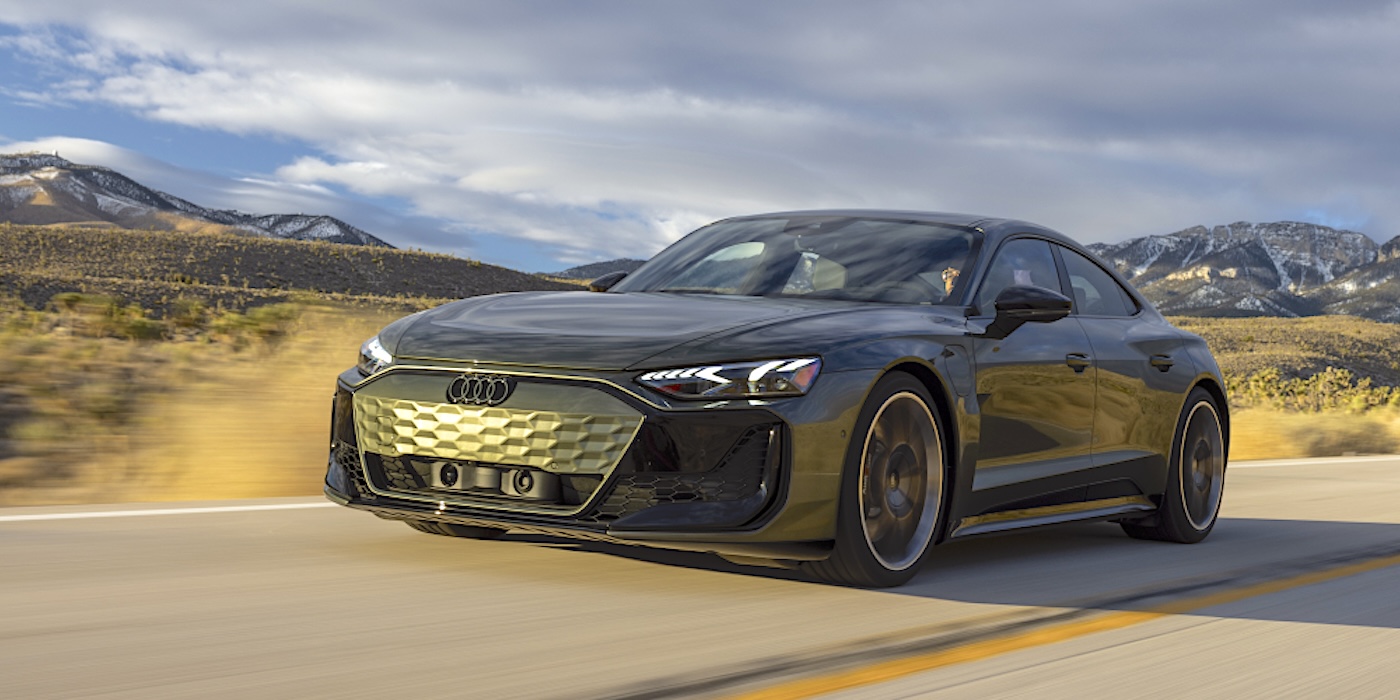
The shift towards electric vehicles is another factor contributing to the rise in car prices. As manufacturers invest heavily in new technology and production facilities, these costs are being passed on to consumers. This has led to a significant increase in the price of many models, with some now exceeding $50,000.
Despite the rising cost of cars, many consumers remain optimistic about the future of the industry. With the shift towards electric vehicles expected to continue, there is hope that prices will stabilize and become more affordable for buyers. However, this remains to be seen until the technology becomes more widespread and production costs decrease.
The impact of inflation on car prices cannot be overstated. As prices rise, manufacturers are forced to increase their prices to stay afloat. This has a ripple effect throughout the industry, impacting not just consumers but also dealerships and other stakeholders. The consequences of this trend will only become more apparent as time goes on.
The automotive industry is facing significant challenges in the current market. With rising costs and inflation, manufacturers are struggling to maintain profitability. This has led to a number of manufacturers reducing production or even exiting certain markets altogether. The impact of this trend can be seen in the many closures and restructuring efforts across the industry.
Despite the challenges facing the industry, there is still hope for consumers. As technology continues to improve and production costs decrease, prices are expected to stabilize and become more affordable. This will be a welcome relief for buyers who have been struggling to find affordable options in recent years.
The rise in car prices has significant implications for the automotive industry as a whole. With many manufacturers increasing their prices, there is a risk that consumers may become disillusioned with the industry and seek alternative forms of transportation. However, this remains to be seen until the technology becomes more widespread and production costs decrease.
As the industry continues to evolve, it will be interesting to see how manufacturers respond to the rising cost of cars. With many manufacturers investing heavily in new technology and production facilities, there is a risk that prices may continue to rise unless steps are taken to mitigate these costs. The consequences of this trend will only become more apparent as time goes on.
The shift towards electric vehicles is expected to have a significant impact on the automotive industry in the coming years. With many manufacturers investing heavily in new technology and production facilities, there is a risk that prices may continue to rise unless steps are taken to mitigate these costs. The future of the industry will depend on how effectively manufacturers can adapt to this trend.
The rising cost of cars has significant implications for consumers who are looking to purchase a vehicle. With many models now exceeding $50,000, buyers must carefully consider their budget and research thoroughly before making a purchase. This is especially true in today's market where prices are rising rapidly.
As the industry continues to evolve, it will be interesting to see how manufacturers respond to the rising cost of cars. With many manufacturers investing heavily in new technology and production facilities, there is a risk that prices may continue to rise unless steps are taken to mitigate these costs. The future of the industry will depend on how effectively manufacturers can adapt to this trend.
The automotive industry is facing significant challenges in the current market. With rising costs and inflation, manufacturers are struggling to maintain profitability. This has led to a number of manufacturers reducing production or even exiting certain markets altogether. The impact of this trend can be seen in the many closures and restructuring efforts across the industry.
The rise in car prices has significant implications for consumers who are looking to purchase a vehicle. With many models now exceeding $50,000, buyers must carefully consider their budget and research thoroughly before making a purchase. This is especially true in today's market where prices are rising rapidly.
The shift to electric vehicles is transforming the automotive industry, with $50,000 becoming a new benchmark for car prices.