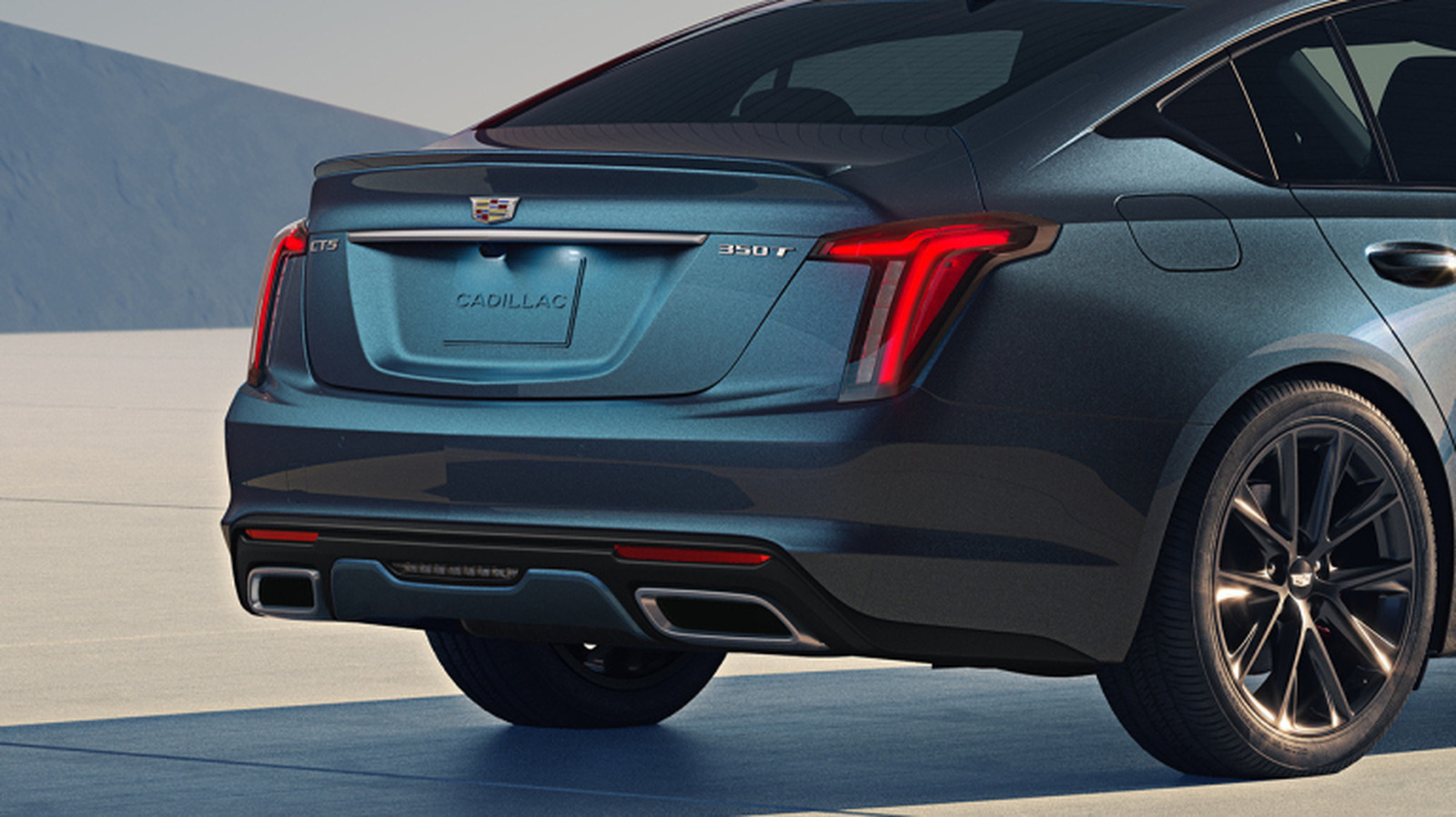
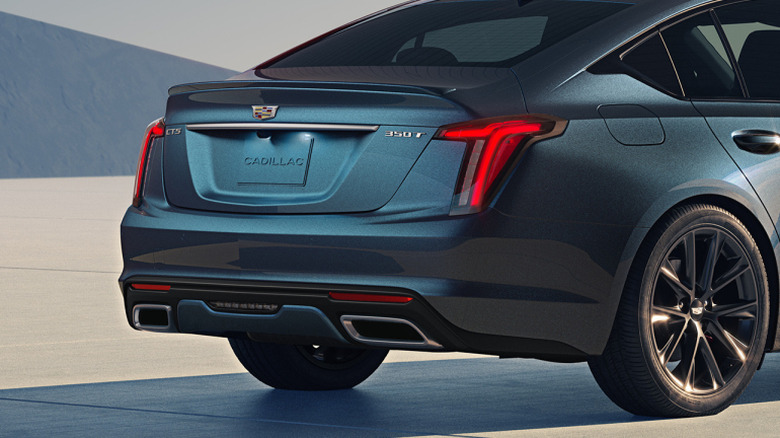
In a move that has left many in the automotive community scratching their heads, Cadillac has announced that it will be phasing out its numeric torque badges from the rear of its vehicles. The badges, which were introduced six years ago, were intended to provide a quick and easy way for customers to understand the level of torque produced by each engine option. However, it appears that this approach did not resonate with consumers, as the company has now decided to discontinue their use in favor of more streamlined designs. By removing the torque numbers, Cadillac hopes to simplify its rear-end appearance and create a more cohesive look across its model lineup.
The current badge system, which uses a combination of letters and numbers to denote engine type and drivetrain, was intended to provide a clear and concise way for customers to understand their vehicle's specifications. For example, the CT5 sedan features a 2.0-liter turbocharged inline-4 gasoline engine with 237 horsepower and 258 pound-feet of torque, which is represented by the 'T' badge on the rear of the car. Similarly, the Escalade IQ wears a '1000E4' badge, indicating that it has four-wheel drive via electric motors.
While the decision to remove the torque numbers may seem like a minor change, it could have significant implications for customers who rely on this information when making purchasing decisions. For enthusiasts and car enthusiasts in particular, the ability to quickly identify an engine's specifications can be a crucial factor in determining which vehicle to choose. By removing this information, Cadillac may inadvertently create more confusion among its target audience.
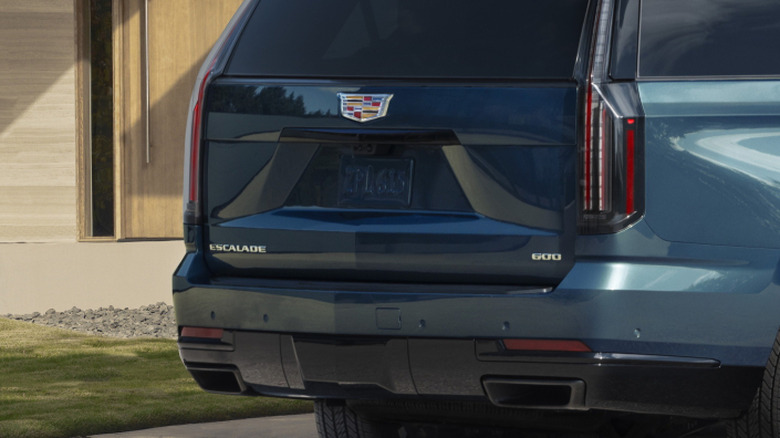
It is worth noting that the diesel Escalade features a 'D' badge after its torque rating, which provides additional information for customers who are interested in diesel engines. However, it appears that this approach will not be continued under the new design scheme, as Cadillac has decided to eliminate all torque numbers from its vehicles.
The decision to remove torque badges may also have implications for the automotive industry as a whole. As car buyers become increasingly sophisticated and demanding, manufacturers are under pressure to provide more detailed and accurate information about their vehicles. By removing this detail, Cadillac may be seen as taking a step backward in terms of transparency and customer communication.
Despite the potential drawbacks, it is possible that Cadillac's decision to remove torque badges will ultimately lead to a more streamlined and cohesive design aesthetic. If the company can successfully implement a new badge system that provides clear and concise information without resorting to numeric values, this could be seen as a positive development for the brand.
Ultimately, the decision to remove torque badges is a reflection of Cadillac's ongoing efforts to refine its branding and marketing strategy. As the company continues to evolve and adapt to changing consumer preferences, it will be interesting to see how this move impacts its sales and customer loyalty.
One thing is certain: the automotive industry is constantly evolving, and manufacturers must be willing to adapt and innovate in order to stay ahead of the curve. By removing torque badges, Cadillac has signaled that it is committed to ongoing improvement and refinement – a approach that will likely serve the company well in the years to come.
As the automotive landscape continues to shift and evolve, one thing remains clear: manufacturers must prioritize transparency and customer communication above all else. By providing clear and concise information about their vehicles, car buyers can make informed decisions that meet their needs and preferences.
The decision to remove torque badges may lead to increased confusion among customers and enthusiasts alike.