

Aviation has long been associated with iconic terms like 'Roger,' which has become a household word. The term's origins date back to early radio transmissions and the US Army Signal Corps before World War I. As the aviation industry evolved, so did the term's usage and significance. Despite being adopted by various organizations, including the RAF during World War II, 'Roger' eventually fell out of favor in phonetic alphabets. However, its continued use by pilots remains a testament to its enduring legacy in the world of aviation.
The development of the phonetic alphabet was crucial in ensuring clear communication over noisy radio channels. As radios replaced Morse Code, the need for distinct pronunciation became apparent. The term 'Roger' emerged as a solution to this problem, providing a clear and distinguishable way to convey the letter 'R.' Despite being replaced by 'Romeo' in NATO's phonetic alphabet, 'Roger' persisted in aviation.
The use of 'yes' as a single-syllable word posed a significant challenge in radio communication. With the advent of radios in the 1920s, it was easy to mishear or lose words in transmission. In this context, 'Roger' became an essential term for pilots to confirm receipt of messages. It is essential to note that 'Roger' does not imply agreement or compliance with instructions.
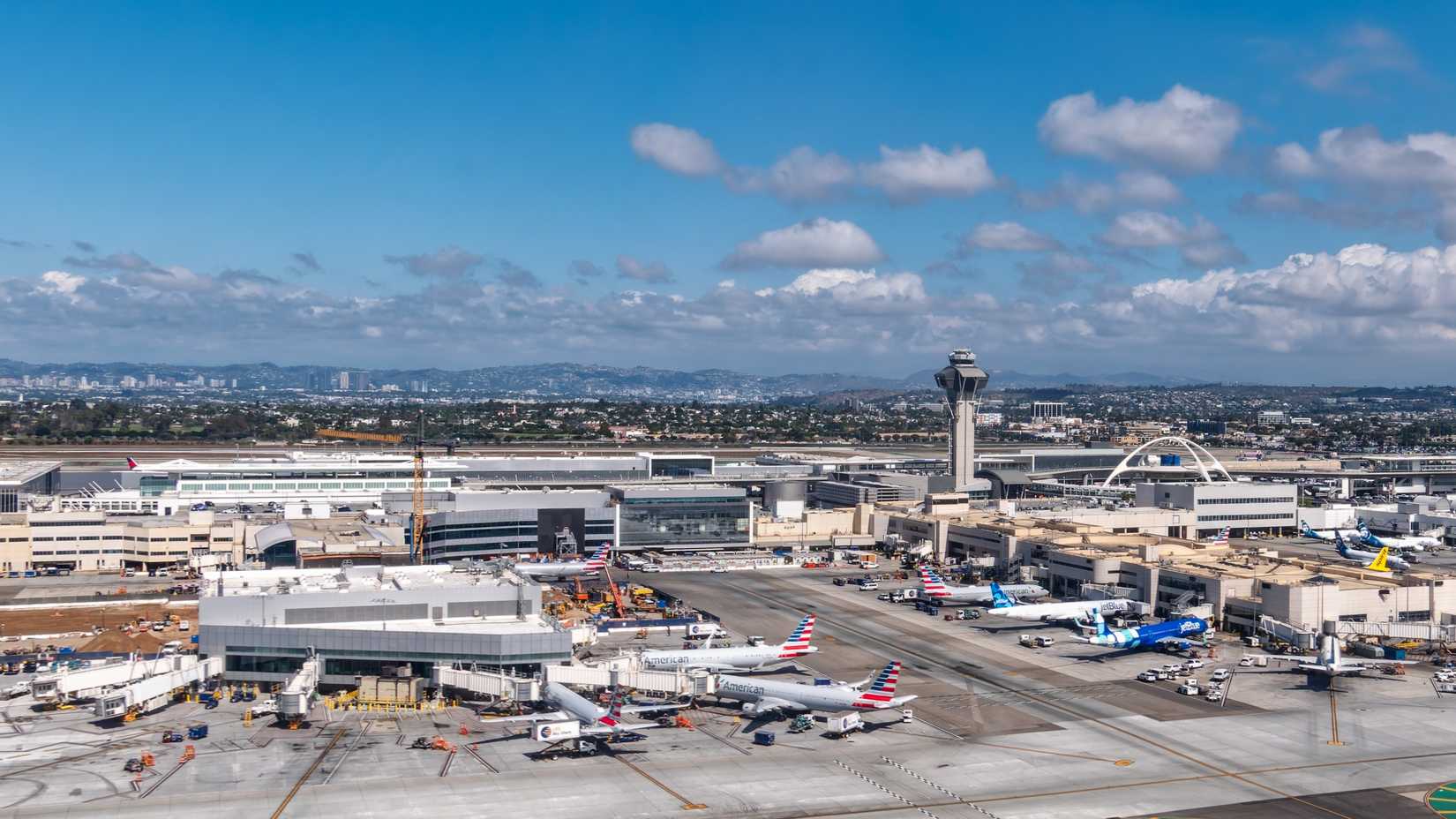
The aviation community has developed a distinct lexicon over the years, with terms like 'Wilco' and 'Affirmative' becoming integral parts of pilot communication. While 'yes' is replaced by 'affirmative,' 'no' is signified by 'negative.' This nuanced language allows pilots to convey complex information efficiently.
The RAF's adoption of 'Roger' during World War II further solidified its place in aviation history. Despite being eventually supplanted by 'Romeo,' the term remained a staple of pilot communication. Its continued use serves as a reminder of the importance of clear and standardized language in high-stress environments.
The development of the phonetic alphabet was a response to the challenges posed by early radio communication. As radios improved, so did the need for distinct pronunciation. The emergence of 'Roger' as a solution to this problem highlights the ingenuity of early aviation pioneers.
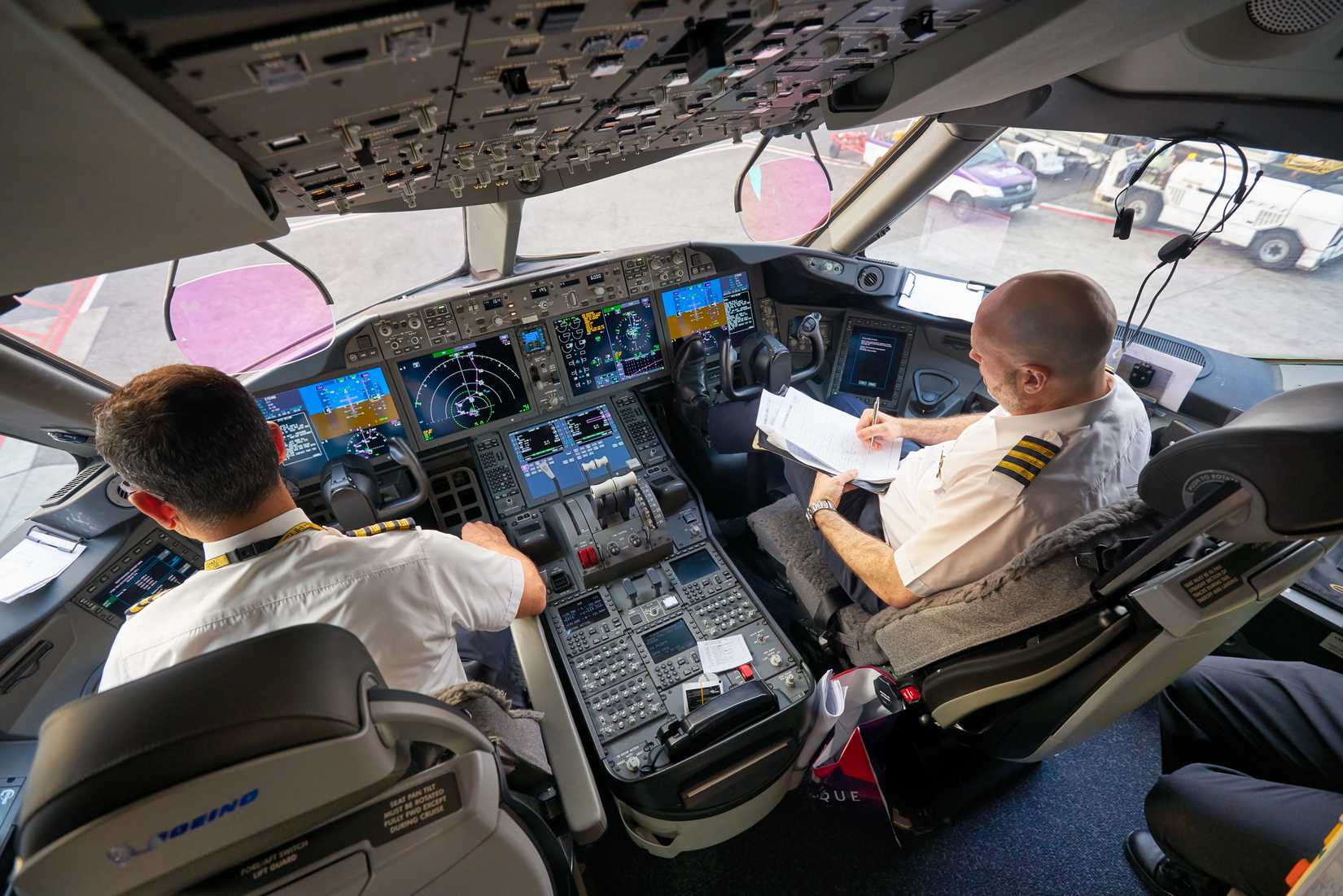
Aviation's reliance on clear and efficient communication is paramount in ensuring safe operations. The use of standardized terms like 'Roger' plays a vital role in this process. By adopting a common language, pilots can convey complex information quickly and accurately.
The legacy of 'Roger' extends beyond the world of aviation, with its origins dating back to early radio transmissions. As technology continues to evolve, it is essential to recognize the importance of clear communication in high-stress environments.
In conclusion, the enduring use of 'Roger' in aviation serves as a testament to the importance of clear and standardized language in high-stress environments. Its legacy will continue to shape the way pilots communicate, ensuring safe operations for generations to come.
Furthermore, the development of the phonetic alphabet has had a lasting impact on aviation communication. As technology continues to advance, it is essential to recognize the importance of clear and efficient communication in ensuring safe operations.
The use of 'Roger' as a term of affirmation remains an integral part of pilot communication. Its continued use serves as a reminder of the importance of clear language in high-stress environments.
As aviation continues to evolve, it is essential to recognize the significance of standardized terms like 'Roger.' By adopting a common language, pilots can convey complex information quickly and accurately, ensuring safe operations for generations to come.
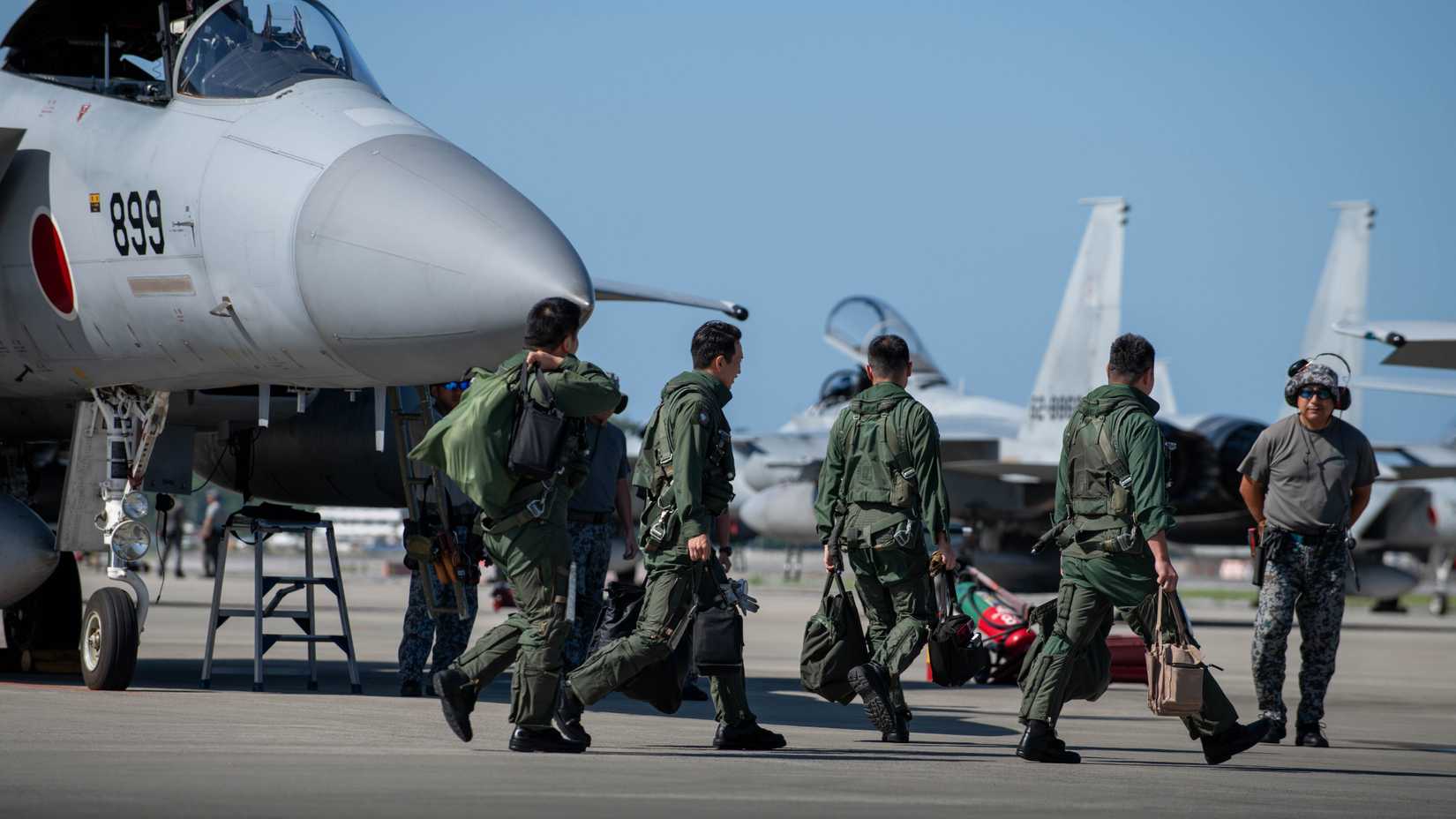
The use of 'Roger' in aviation serves as a reminder of the importance of clear communication in high-stress environments.