

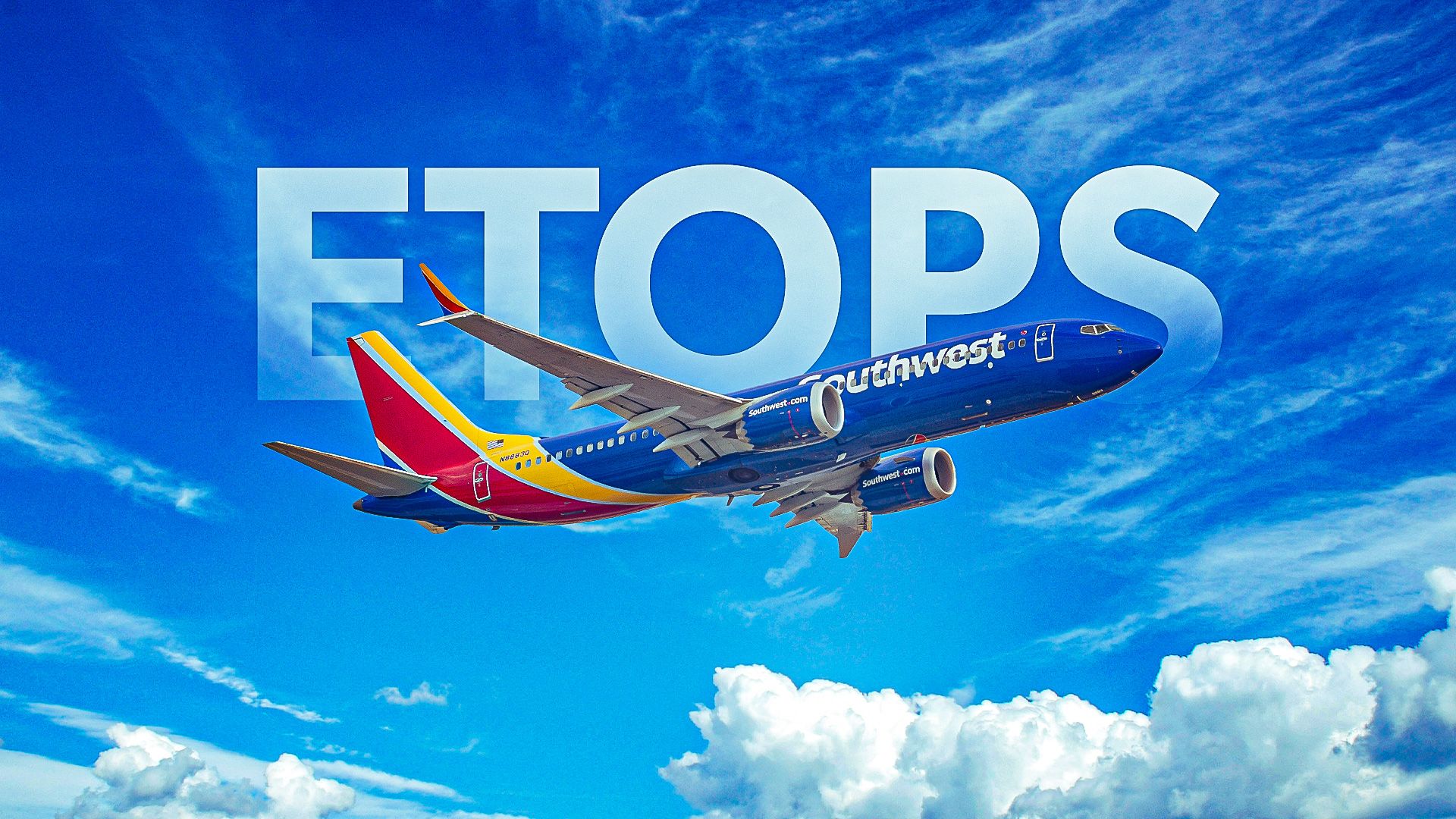
Southwest Airlines' fleet is a unique case study in aviation, with its Boeing 737 MAX 8 aircraft capable of long overwater flights but subject to regulatory limitations. The airline's ability to fly its MAX 8s across the Pacific depends on various factors beyond simply having the right configuration. ETOPS, or Extended-Range Twin-Engine Operational Performance Standards, is a critical framework governing twin-engine operations beyond a set diversion time from a suitable airport. This regulation is not just a label attached to the aircraft but rather a complex interplay of aircraft-specific approval, maintenance standards, dispatch procedures, crew training, route planning, and the airline's overall operating program.
The complexity of ETOPS regulations underscores the need for airlines to carefully manage their operations to ensure compliance. Southwest's experience in obtaining FAA ETOPS authorization in February 2019 is a notable example of this. The carrier launched service in Hawaii shortly thereafter, but its fleet has since grown significantly, with over 800 737 jets and more than 300 MAX 8s.
Fleet size alone does not guarantee universal overwater flight flexibility, particularly for airlines like Southwest that have been reshaping their Hawaii schedules and trimming some island flying. The airline's fleet is comprised of various aircraft types, including the 737-700, 737-800, and MAX 8, each with its own operational permissions and mission profiles.
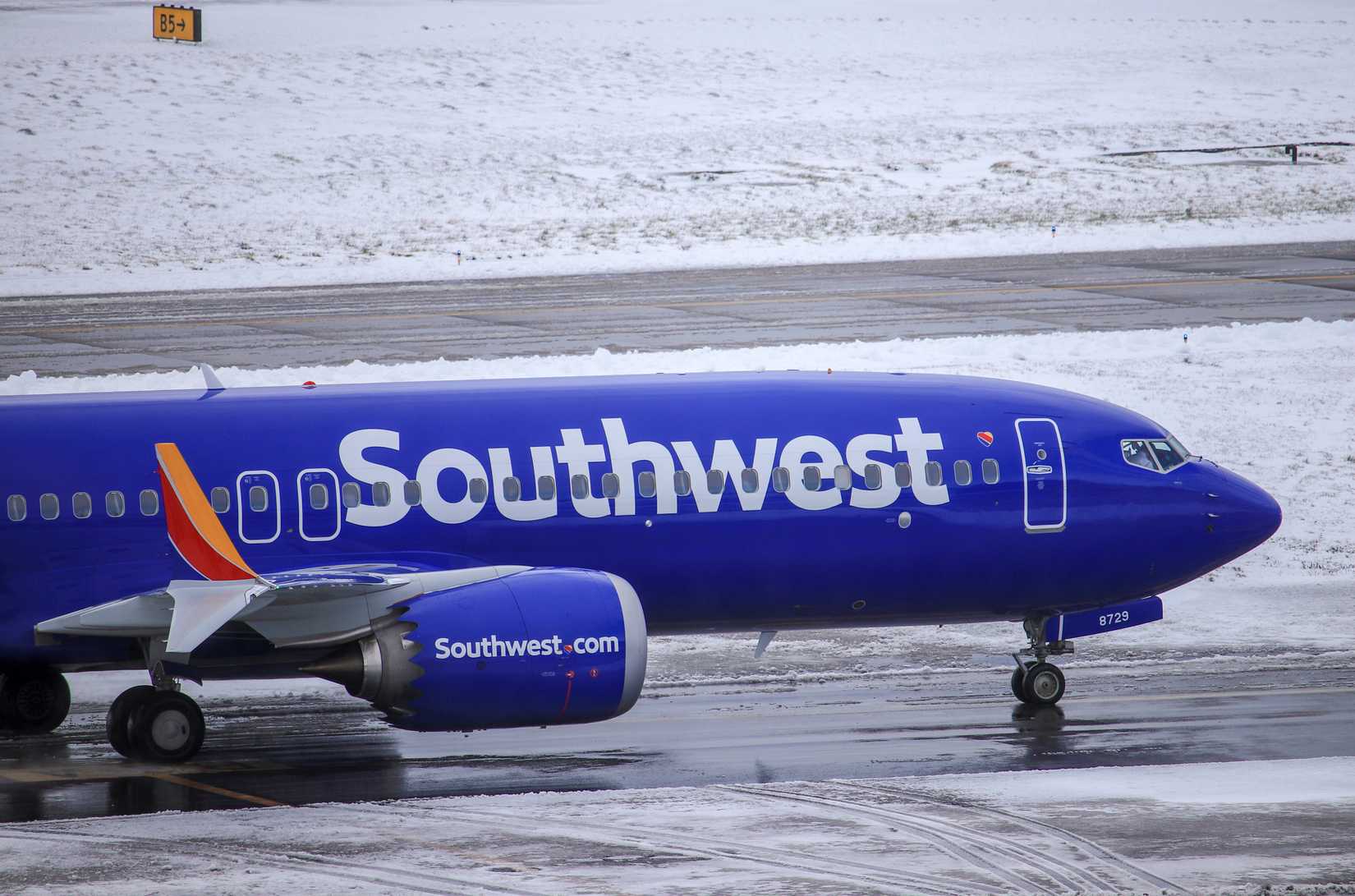
Southwest's all Boeing 737 carrier strategy has several benefits, including simplified pilot training, streamlined maintenance, and flexible crew and scheduling practices. This approach also helps preserve the commonality that underpins the airline's low-cost model.
The carrier operates three distinct sub-fleets within its single fleet, each with different roles in the network. As of the end of 2025, Southwest reported having 803 737s in service, including 300 737 MAX 8 variants. Fleet tracking systems show a similar mix, with the 737-700 still the largest by numbers, while the 737-800 remains a major workhorse.
The airline is gradually retiring older Next Generation jets while taking more MAX 8 deliveries, with 66 additional 737 MAX 8 jets expected to join the fleet in 2026 and roughly 60 retirements planned. This transition matters because the MAX 8 is not just newer but also more fuel-efficient, better suited to longer sectors, and increasingly popular.

The MAX 8's growing presence in Southwest's fleet highlights the importance of regulatory compliance in ensuring operational flexibility. As airlines continue to expand their fleets with new aircraft types, they must carefully manage their operations to ensure ETOPS authorization and avoid potential disruptions.
Southwest's experience with ETOPS regulations serves as a reminder that fleet management is a complex process that requires careful planning and execution. By understanding the intricacies of these regulations, airlines can optimize their operations and maintain flexibility in their flight schedules.
The airline's focus on regulatory compliance also underscores the need for industry-wide standardization in ETOPS procedures. As airlines continue to operate increasingly complex fleets, standardized protocols will become essential for ensuring safe and efficient operations.

The complexity of ETOPS regulations highlights the need for airlines to carefully manage their operations to ensure compliance.