


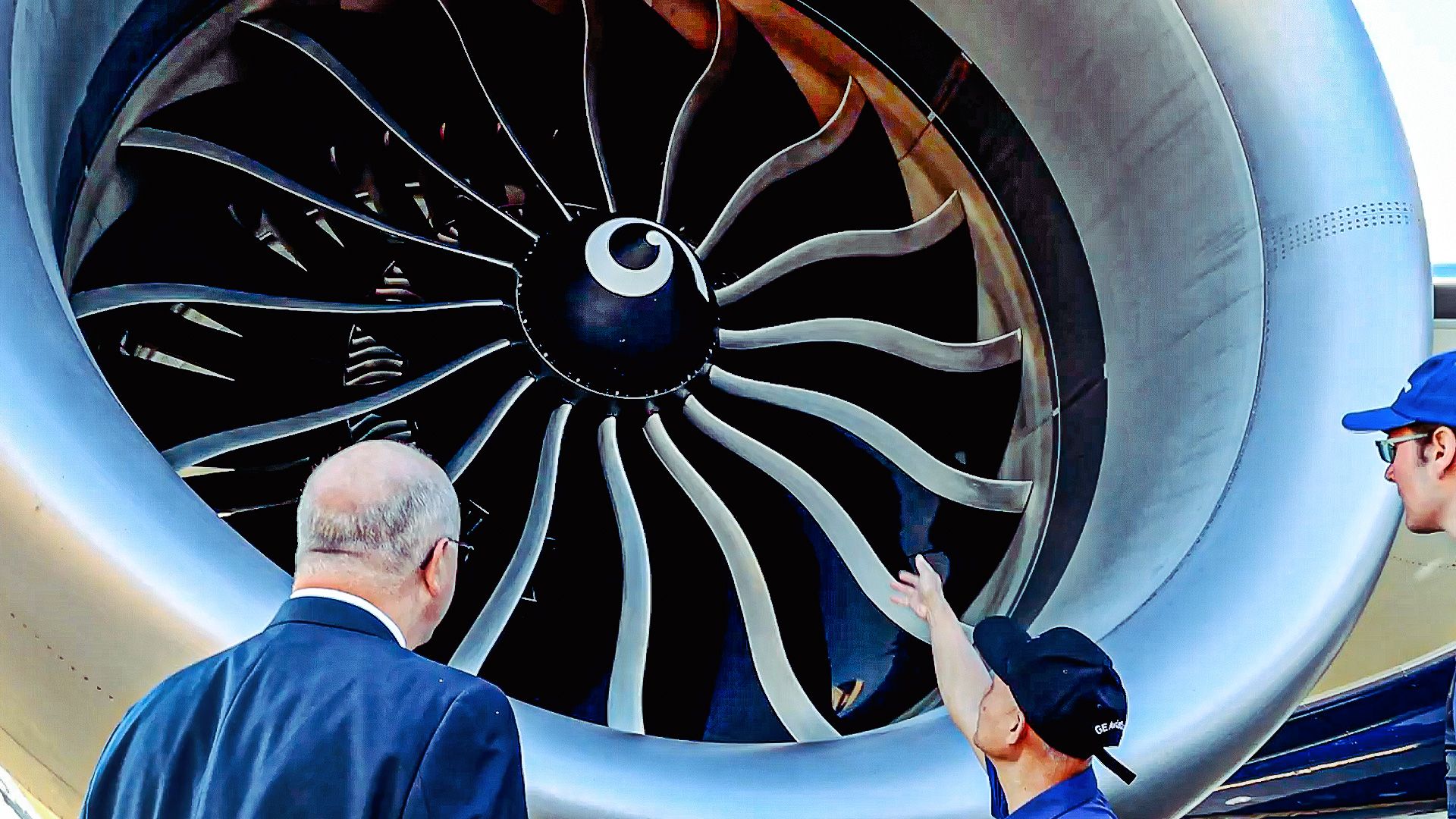
General Electric's GE9X engine is the largest and most powerful jet engine ever produced, boasting over 35,000 parts and delivering an impressive 134,300 pounds of thrust. This behemoth of an engine will power the Boeing 777X, set to become the world's largest passenger jetliner by length. The sheer scale of this project has significant implications for the aviation industry, as manufacturers and airlines navigate the complexities of mass-producing such a powerful engine. With its advanced design and cutting-edge technology, the GE9X is poised to revolutionize air travel, but at what cost?
The list price of the GE9X engine is an astonishing $40 million, although some airlines have reportedly paid significantly more for these engines. Singapore Airlines, for instance, paid a whopping $127 million for 22 GE9Xs, including a 12-year servicing agreement worth an additional $2.8 billion at list price. This highlights the significant variability in pricing, as different airlines and manufacturers engage in complex negotiations to secure favorable terms.
The lack of standardization in pricing makes it challenging to determine the actual cost of the GE9X engine for individual airlines. Varying servicing agreements and other factors contribute to this uncertainty, making it difficult for outsiders to discern a clear picture of the engine's price. This is particularly evident in the case of Singapore Airlines, whose order included a comprehensive 12-year maintenance agreement that added significant value to the overall cost.
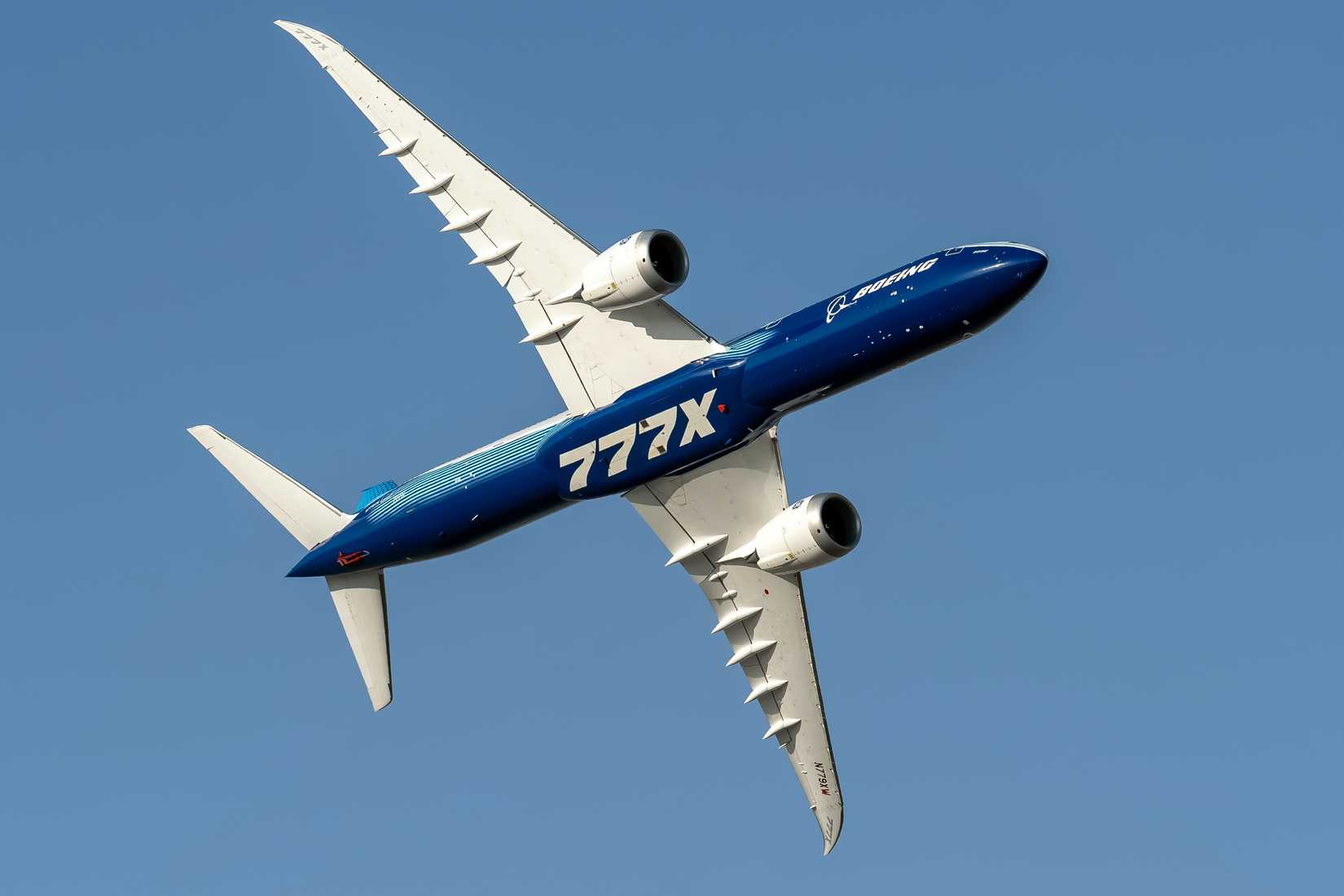
Emirates, another major customer of the 777X program, paid significantly less for its GE9X engines, with an estimated $53.33 million per unit in its original order. This represents a substantial discount compared to Singapore Airlines' payment, although it's essential to note that this figure may not reflect the actual cost, as maintenance and other expenses were not included.
Qatar Airways also ordered 20 GE9X engines at a list price of over $1.1 billion, although the airline reportedly paid significantly less for these engines, with an estimated $39.3 million per unit. This example illustrates the complexities of negotiations between airlines and manufacturers, as Qatar likely secured favorable terms due to its existing relationship with Boeing.
The GE9X engine's development is a testament to the significant investment made by General Electric in this project, which involved partnerships with several international companies, including Safran SA, IHI Corp, and MTU Aero Engines AG. The use of 3D-printed parts in the engine's design has also opened up new possibilities for manufacturing and testing.
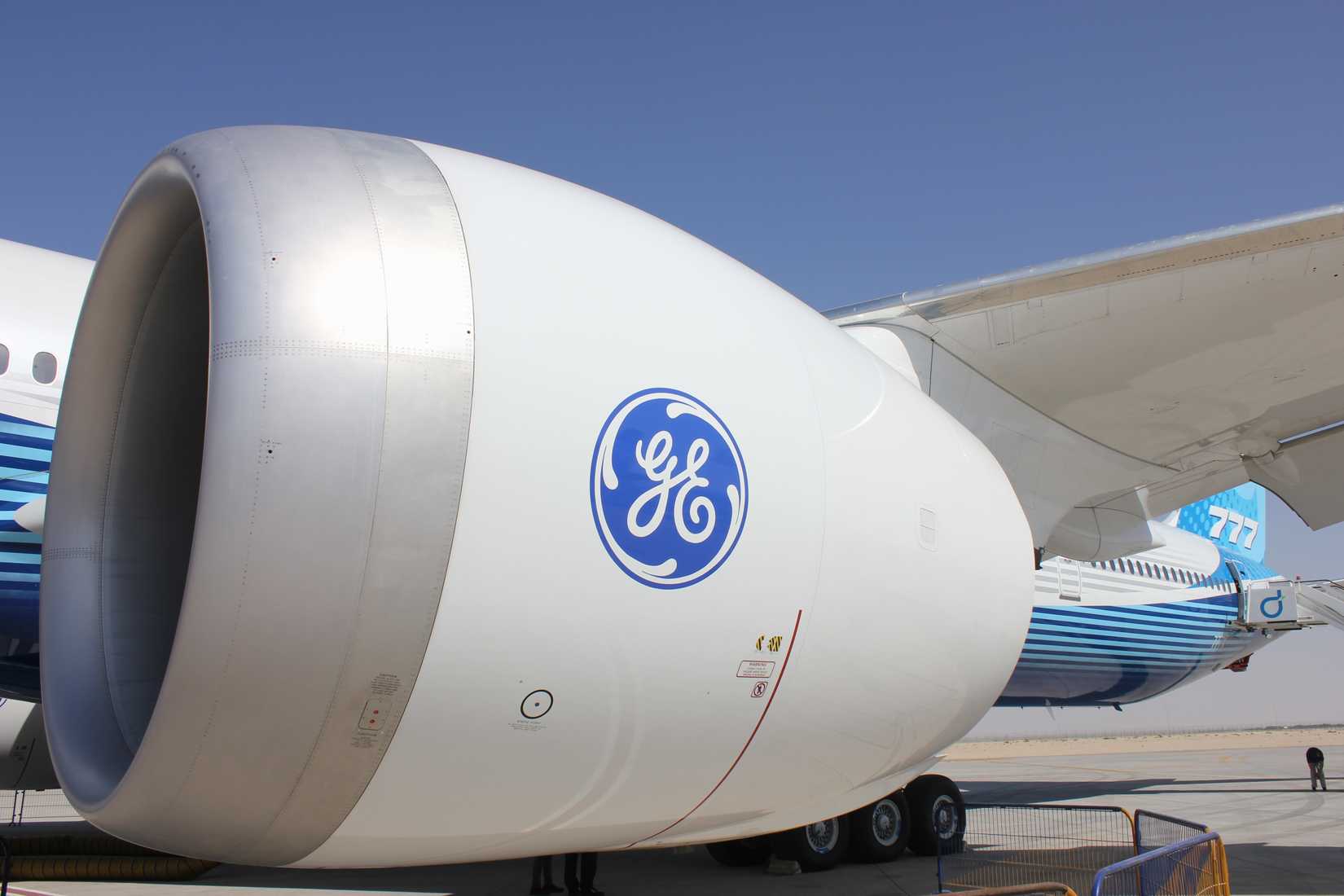
The GE9X engine is a prime example of how industry giants are pushing the boundaries of innovation and technology to create more efficient and powerful aircraft engines. However, this comes at a significant cost, both financially and in terms of resources. As airlines and manufacturers navigate the complexities of mass-producing such advanced engines, they must carefully balance the need for innovation with the demands of profitability.
The aviation industry is poised on the cusp of a new era, with the GE9X engine leading the charge. As manufacturers and airlines continue to refine their relationships and negotiate favorable terms, we can expect to see significant advancements in engine technology and aircraft design in the years to come.
Ultimately, the price of the GE9X engine serves as a reminder of the intricate web of negotiations and agreements that underpin the aviation industry. By understanding these complexities, manufacturers and airlines can work together to create more efficient, powerful, and sustainable aircraft engines that meet the demands of an ever-evolving industry.
The GE9X engine's price is influenced by various factors, including negotiations between airlines and manufacturers.