
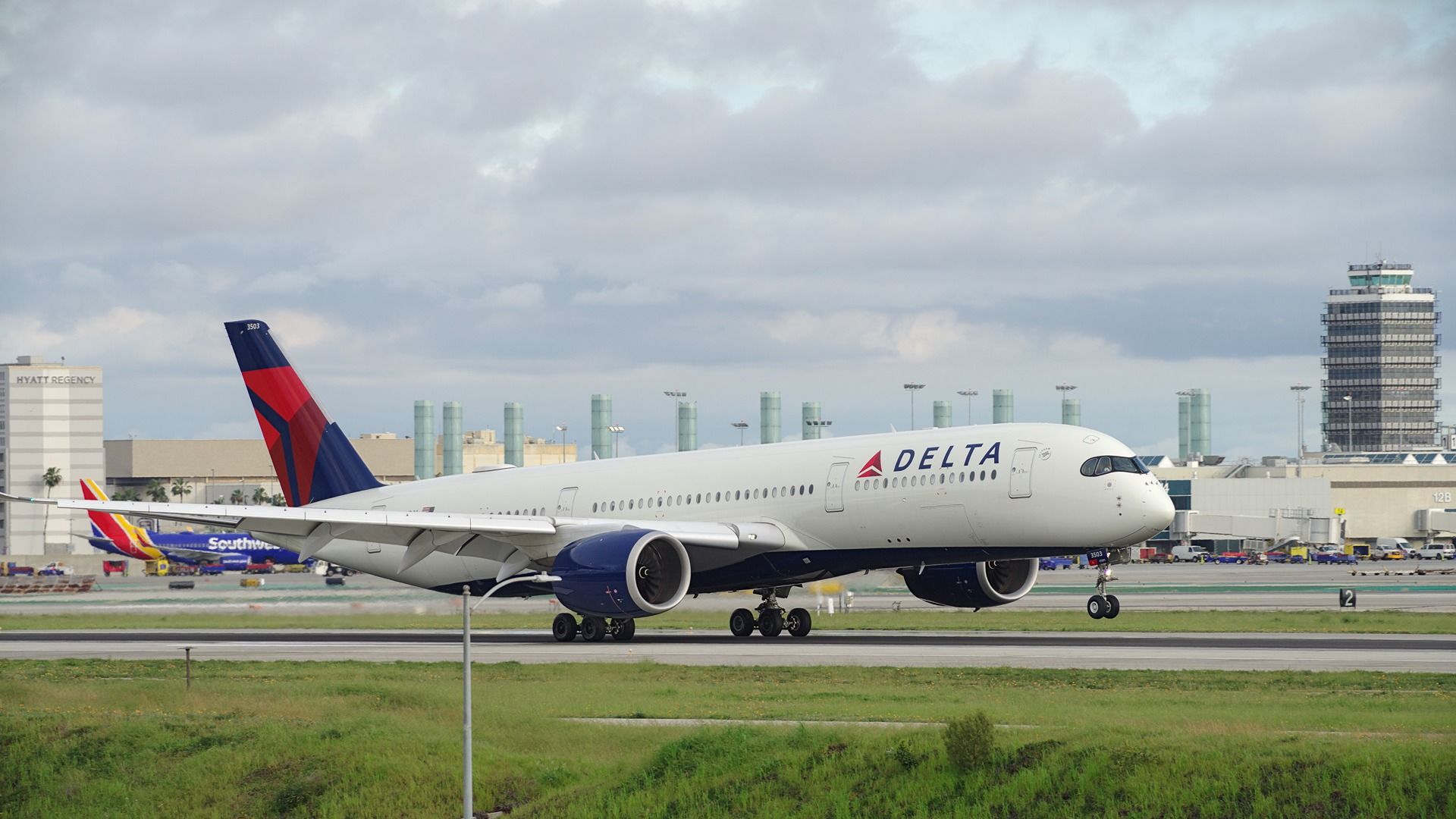
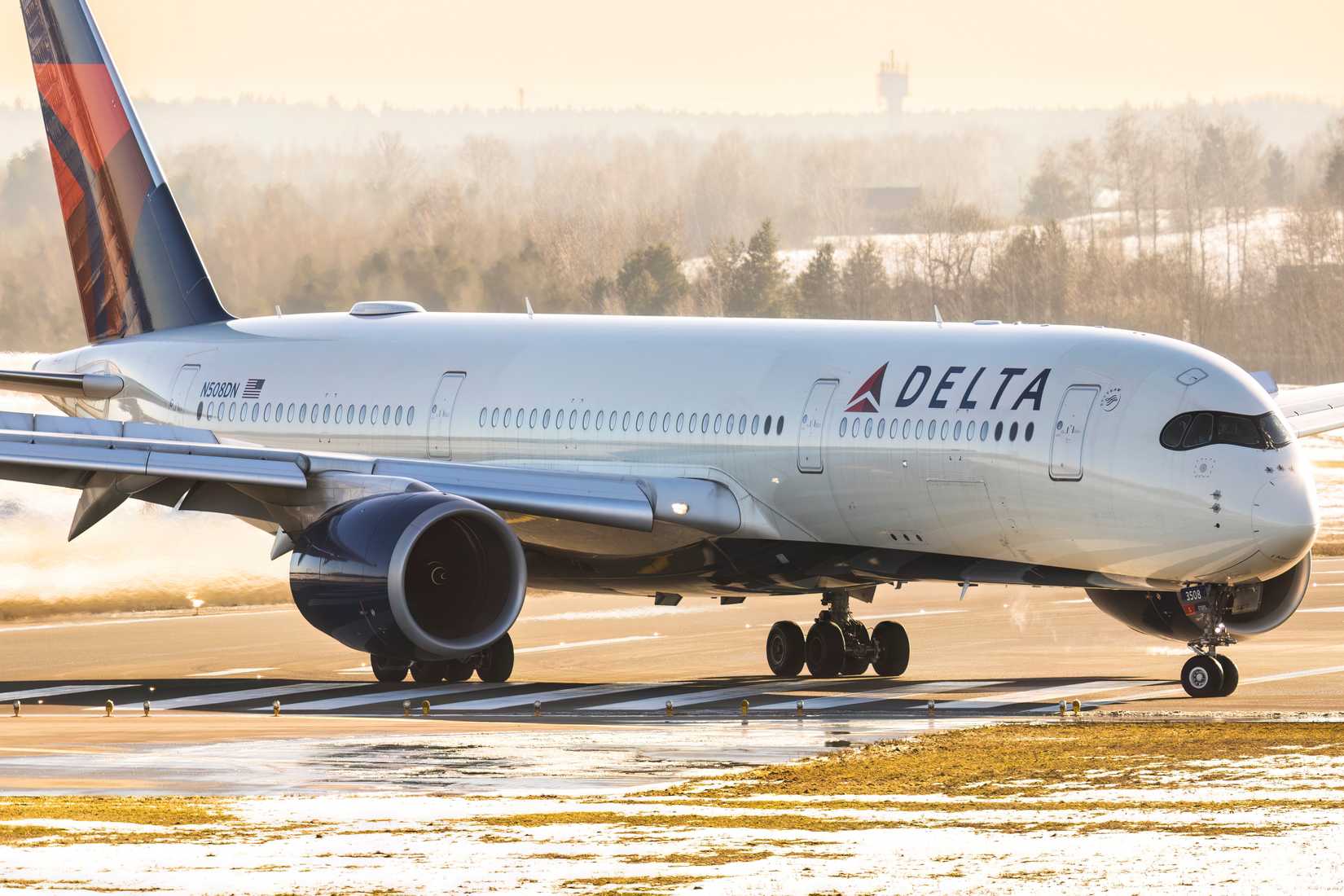
A passenger aboard a Delta Air Lines flight from Seattle-Tacoma International Airport to Taipei Taoyuan International Airport is facing serious federal charges after allegedly directing a racial slur at a flight attendant during an onboard disturbance. The incident occurred on an international flight from the US on March 14, and authorities confirmed that the individual was arrested shortly after a forced landing in Anchorage International Airport. Prosecutors say the behavior escalated beyond verbal abuse, prompting intervention from the crew and law enforcement. If convicted, the passenger could face up to 20 years in prison under federal statutes governing interference with flight crew members.
The case highlights growing concerns about disruptive passenger behavior, an issue that has plagued airlines, especially since the pandemic. While incidents have declined from their peak, cases involving verbal abuse, intoxication, and physical threats remain a serious safety concern. Airlines and regulators have repeatedly emphasized a zero-tolerance approach, particularly when behavior interferes with crew duties, often resulting not only in airline blacklists but also in heavy fines and, in some cases, prison sentences.
According to the report from the People, the situation escalated rapidly after one passenger, a 60-year-old Malcom Martin, who was reportedly drunk, began acting aggressively toward a flight attendant. What initially appeared to be disruptive behavior quickly escalated into a verbal confrontation between the two, prompting the crew members to address the unruly individual directly to calm the situation.
However, rather than de-escalating, the passenger’s conduct worsened, drawing the attention of other crew members and nearby passengers. The incident took a more serious turn when the passenger allegedly directed a racial slur at the black flight attendant and insulted him with foul language.
This moment marked a clear escalation from general unruly conduct into abusive and discriminatory behavior, which is treated with particular severity by both airlines and law enforcement. The flight attendant also responded with harsh language while trying to manage a disruptive passenger.
As the situation continued to deteriorate, the passenger at one point “swung” at an interfering crew member and verbally threatened them. The crew determined that the passenger’s behavior constituted interference with their duties, so they decided to land at a nearby airport for security reasons.
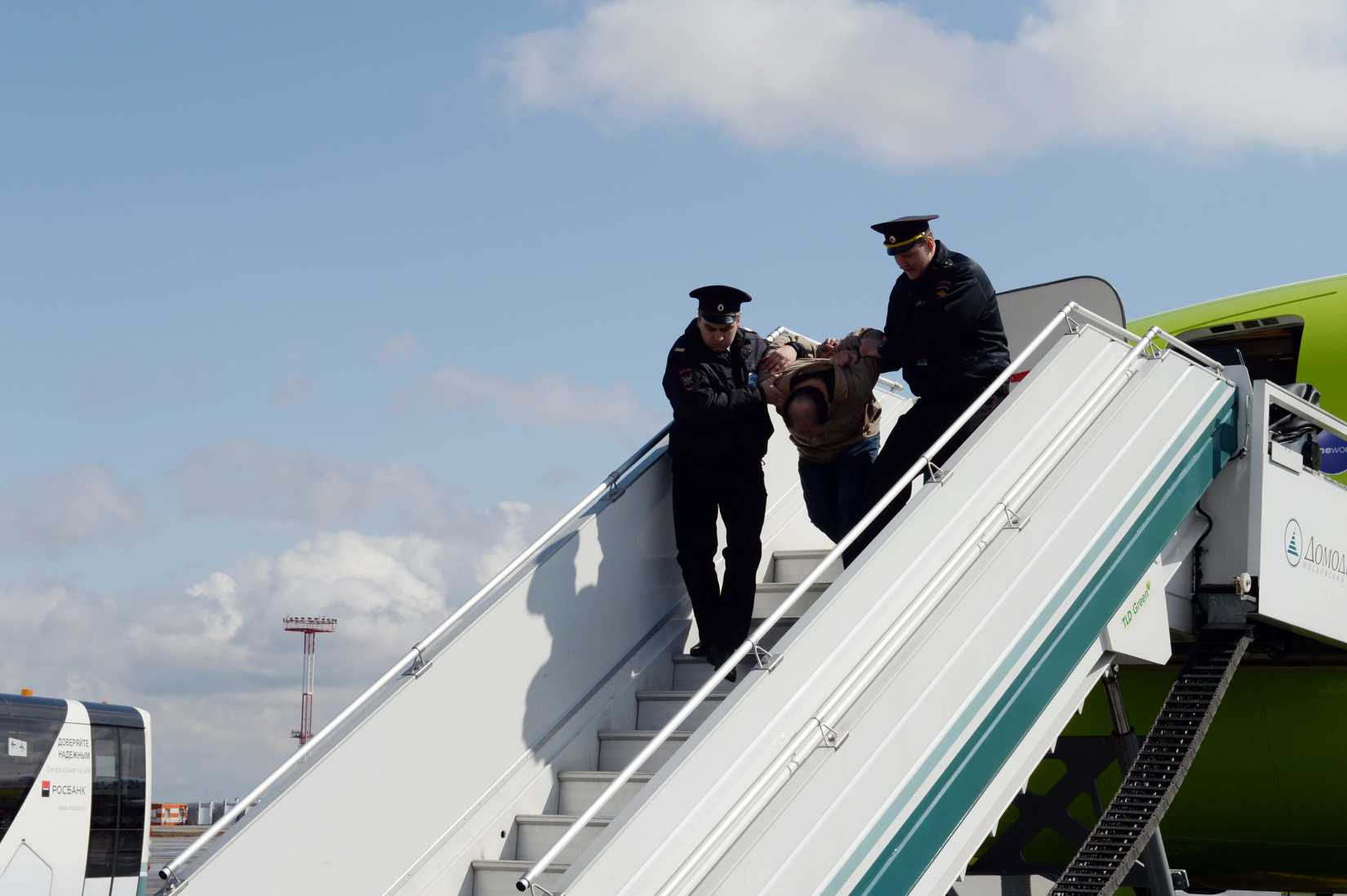
Reports indicate the individual’s intoxication likely played a significant role as he took several drinks during the flight and started behaving in an erratic and offensive way, a factor commonly seen in similar incidents. Upon landing in Anchorage, law enforcement officials arrested the passenger, with federal prosecutors later pursuing charges that could result in a prison term.
The incident serves as a stark reminder of the importance of maintaining a safe and respectful environment on commercial flights. Airlines must continue to educate passengers about the consequences of their behavior, while also providing adequate support for crew members who are subjected to abuse or harassment.
Ultimately, this case underscores the need for airlines, regulators, and law enforcement to work together to prevent similar incidents from occurring in the future.
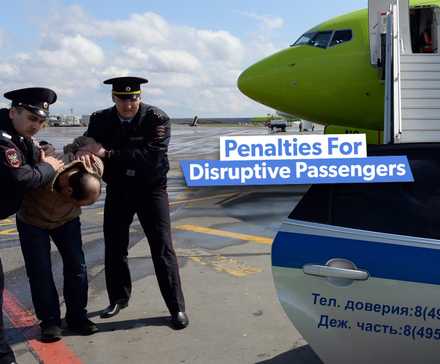
This incident highlights the need for airlines and passengers to take disruptive behavior seriously, as it can have severe consequences.