

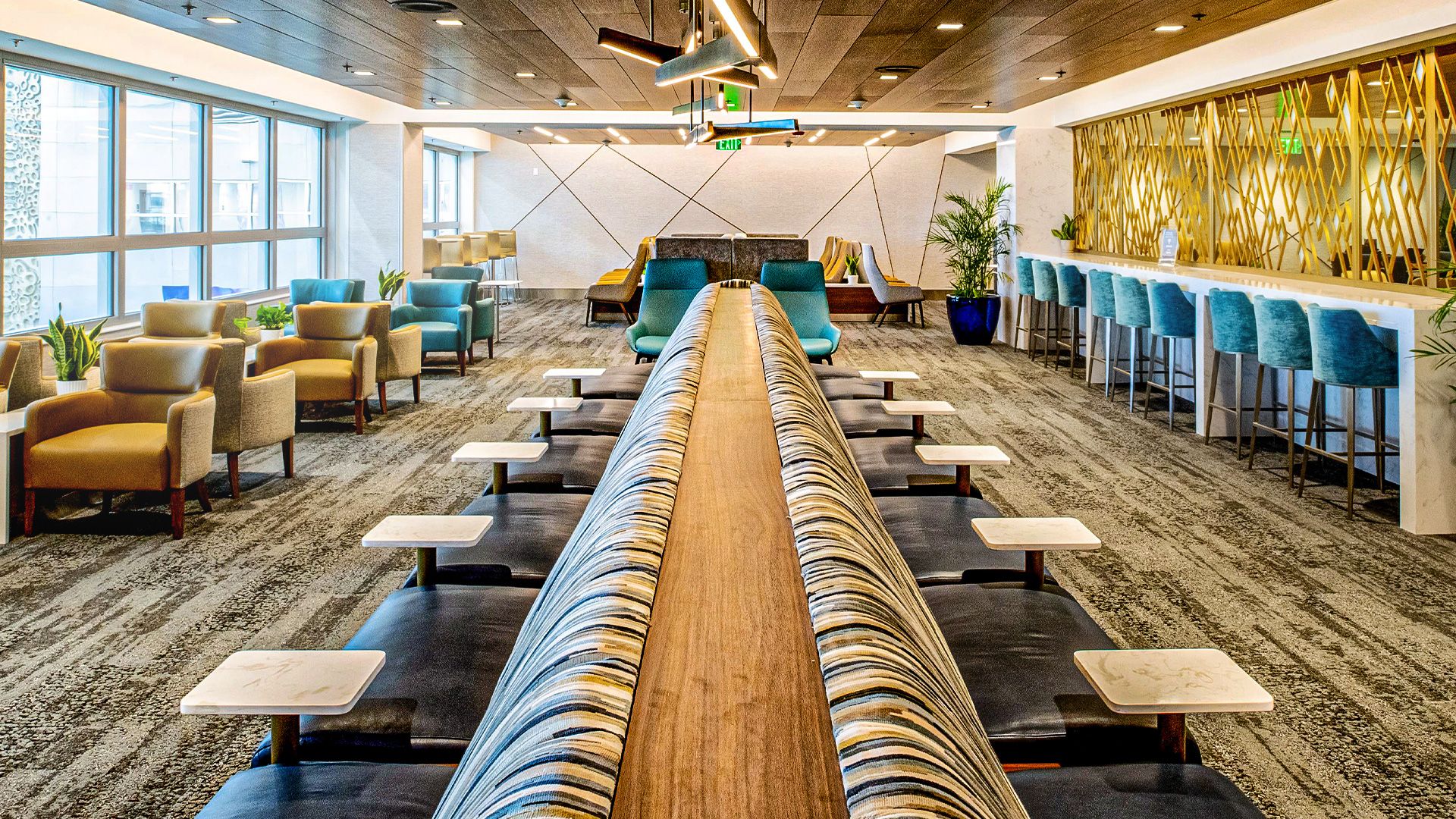
With over 56 lounges offering more than 700,000 square feet of space, Delta Sky Club is one of the most extensive lounge networks among US-based carriers. The airline's all-new Delta One Lounges, primarily reserved for high-paying customers, further enhance its luxury offerings. This impressive network provides a convenient retreat for passengers seeking to unwind before their flights, especially those traveling in business class or beyond.
However, the aviation industry is known for intense competition, forcing airlines to continually improve and expand their amenities to stay competitive. Delta has been no exception, focusing on its extensive lounge network across the United States as a key area of improvement.
Recently, Delta embarked on an ambitious project to revamp and expand its premium lounge network through 2024 and 2025. This initiative saw the introduction of new Delta One Lounges at several major airports, including New York's John F. Kennedy International Airport, Los Angeles International Airport, Boston Logan International Airport, and Seattle–Tacoma International Airport.
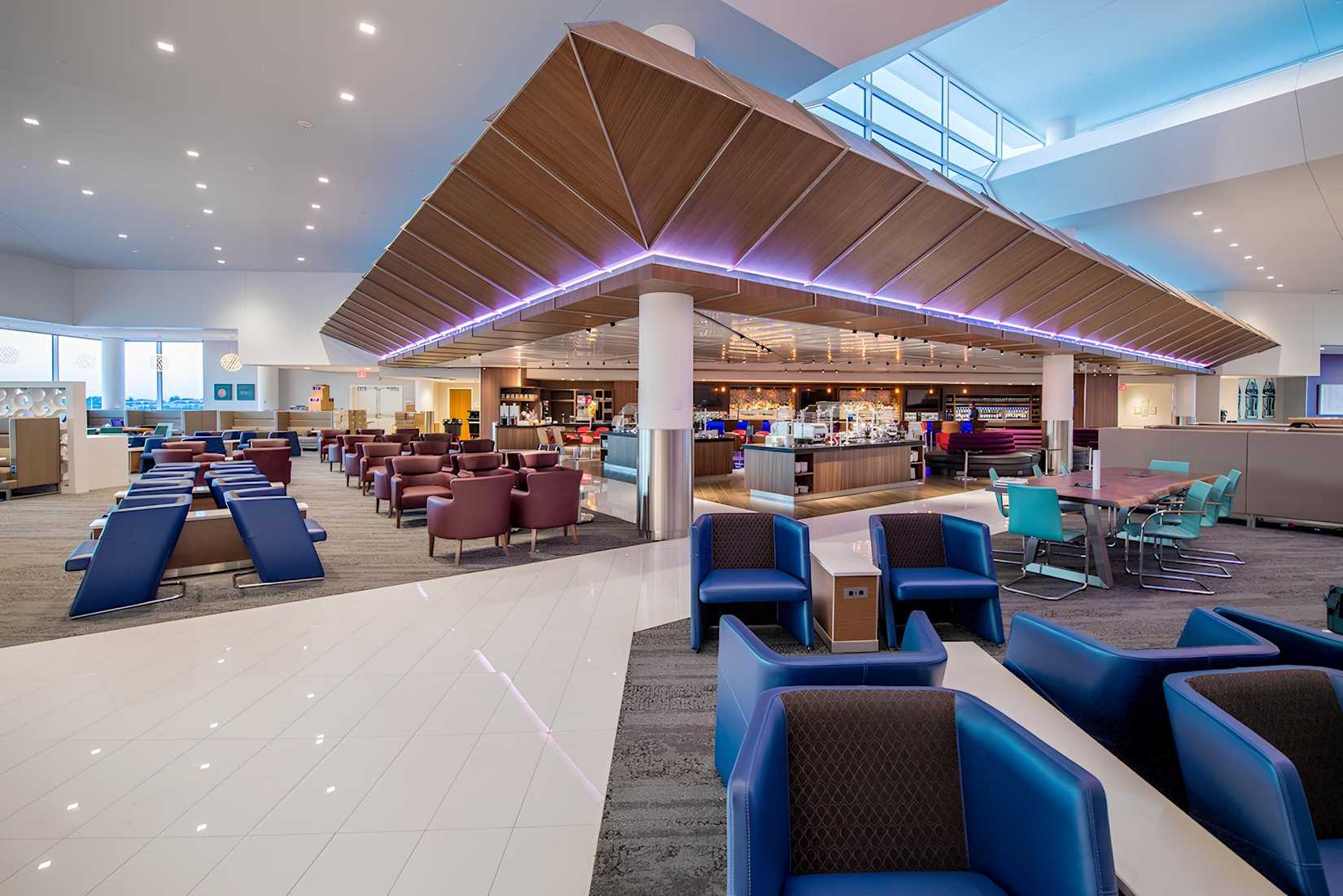
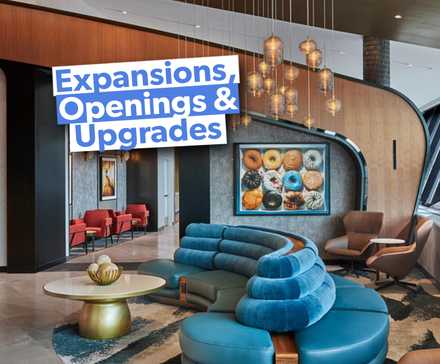
In addition to these new additions, efforts were also made to enhance and expand the Sky Club network at various airports. These upgrades included expansions, refurbishments, and even the introduction of entirely new lounges. Many of these projects took place between 2024 and 2025, with plans for further expansions and additions announced for the coming years.
Delta's lounge expansion has been concentrated primarily on its key hubs, but non-hub airports are also receiving attention. Four non-hub locations will welcome new lounges or enjoy refurbishments in the near future, marking a deliberate effort by Delta to attract premium passengers outside of its core destinations.
By expanding its lounge network to non-hub airports, Delta aims to cater to business class travelers and beyond. These passengers can look forward to complimentary access to luxurious amenities, further enhancing their overall travel experience.
The airline's focus on premium lounges is a response to the growing demand for high-end amenities in non-hub cities. As airlines continue to compete for market share, providing exceptional customer experiences will be crucial in differentiating themselves from competitors.
Delta's expansion of its lounge network demonstrates its commitment to delivering exceptional service to its customers. By investing in premium amenities and expanding its reach beyond key hubs, the airline is poised to attract a wider range of high-value travelers.
The success of Delta's premium lounge expansion will depend on its ability to balance quality with accessibility. If executed successfully, this initiative could pay dividends for the airline as it continues to grow its customer base and increase revenue.
As the aviation industry continues to evolve, airlines like Delta must adapt and innovate to stay ahead of the competition. By prioritizing premium amenities and expanding its lounge network, Delta is taking a proactive approach to meeting the changing needs of its customers.
Delta's expansion is a response to the growing demand for premium amenities in non-hub cities.